BY Nadia Ntiamoah
President John Dramani Mahama has announced a major increase in Ghana’s national health budget for 2025, a move the government says is aimed at strengthening the health system and responding to growing medical and social needs across the country.
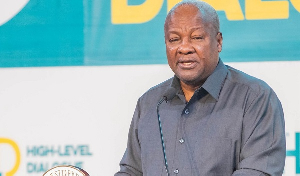
Speaking at a presidential media encounter in Accra on Wednesday, September 10, the President disclosed that the allocation for the health sector had risen from GHS15.6 billion in 2024 to GHS17.8 billion in 2025.
The figure represents a 13.4 percent increase, which Mahama described as one of the most significant boosts in recent years.
“This bold step reflects our recognition to strengthen Ghana’s healthcare system in the face of both domestic demands and global health risks,” Mahama told journalists.
The announcement comes at a time when the Ghana Health Service (GHS) has raised alarm over declining public trust in healthcare delivery, with complaints about poor attitudes, delayed care, and weak supervision dominating public discourse.
Health experts have long argued that increased funding, if properly managed, could help address challenges such as inadequate logistics, shortages of medical supplies, and strained working conditions for health professionals.
President Mahama also used the platform to address another contentious issue—the future of the Free Senior High School (Free SHS) policy.
Ahead of the December 7, 2024 general elections, there was widespread speculation and claims that his administration would scale down or cancel the policy due to fiscal pressures.
The President, however, dismissed those claims as politically motivated.
“Contrary to the widespread misinformation that was circulated before the elections, Free SHS has not only been maintained but significantly strengthened. We’ve made the highest budget allocation in the history of the policy as at now,” Mahama said.
Introduced in 2017, Free SHS remains one of the most debated social policies in Ghana.
Supporters see it as a transformative intervention that has expanded access to education, while critics point to funding constraints and concerns about declining quality.
John Mahama’s reaffirmation of the policy signals an attempt to reassure parents and students while positioning his government as both socially responsible and fiscally disciplined.