BY Daniel Bampoe
Tensions flared at the Afari Military Hospital in the Ashanti Region on Wednesday after military personnel prevented members of Parliament’s Health Committee from freely accessing parts of the facility during an inspection visit, triggering a heated confrontation and reigniting political debate over the government’s handling of major health infrastructure projects.
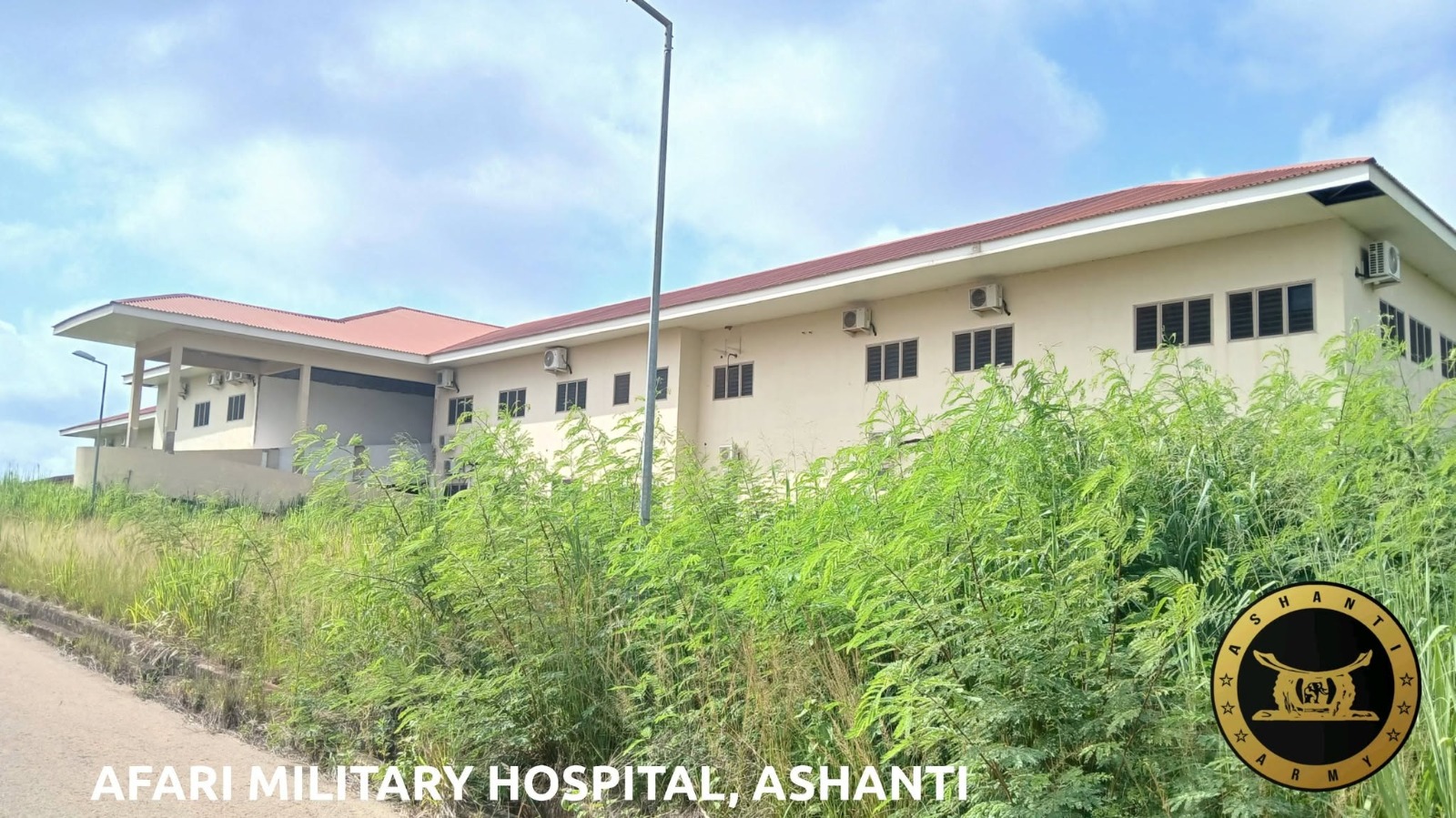
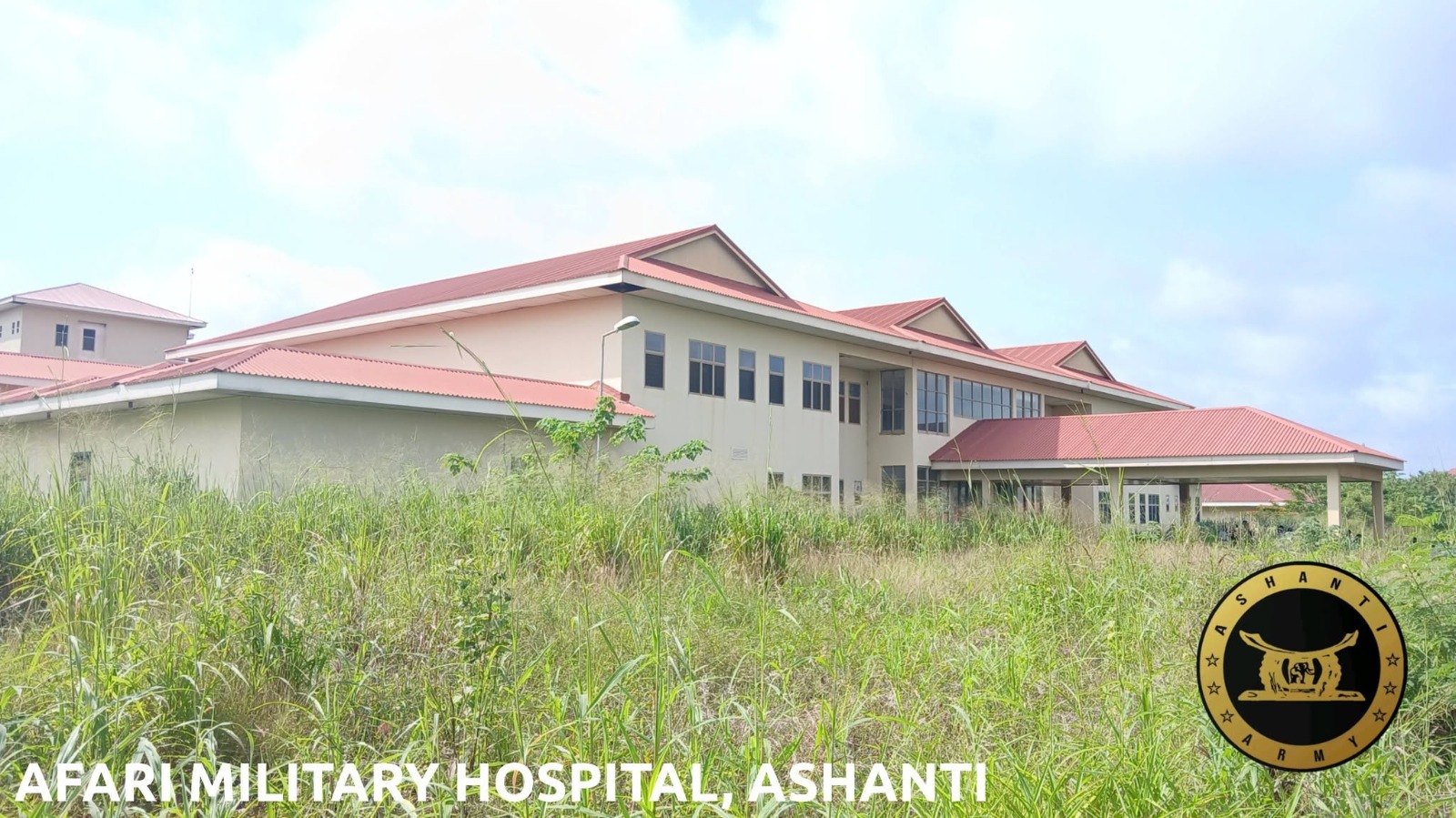
The Minority members of the Committee, led by the Ranking Member, Dr. Nana Ayew Afriyie, had travelled to the over 500-bed hospital as part of an ongoing campaign to highlight what they describe as abandoned and underutilized healthcare facilities across the country.
The visit comes at a time when healthcare infrastructure in the Ashanti Region has become a major national issue following recent industrial action at the Komfo Anokye Teaching Hospital (KATH), where doctors and nurses protested the suspension of the hospital’s Chief Executive Officer, Dr. Paa Kwesi Baidoo, amid concerns over overcrowding and the persistent “No Bed Syndrome.”
The Minority has consistently argued that some of the pressure on KATH could be alleviated if major health projects such as the Afari Military Hospital, the Sewua Regional Hospital and other completed facilities are fully operationalized.
However, what was intended to be an inspection and media engagement quickly descended into controversy when military personnel stationed at the hospital reportedly challenged the lawmakers’ presence and questioned their authorization to enter the premises.
Eyewitness accounts indicate that soldiers on duty insisted the MPs had not obtained prior clearance to access the facility, a position strongly contested by the lawmakers, who maintained that they were exercising their constitutional oversight responsibilities as members of Parliament’s Health Committee.
The disagreement escalated into a tense standoff as the MPs and accompanying residents sought to inspect sections of the hospital and assess the state of the project.
The Minority lawmakers expressed shock at what they described as attempts to obstruct elected representatives from carrying out their parliamentary duties, particularly on a project funded with public resources and intended to serve the healthcare needs of Ghanaians.
Despite the confrontation, the MPs proceeded to voice concerns about the current state of the facility, arguing that significant public investment risks being wasted if urgent steps are not taken to complete and operationalize the hospital.
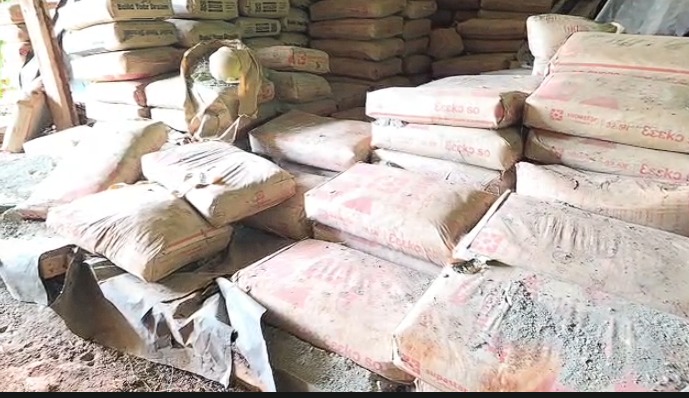
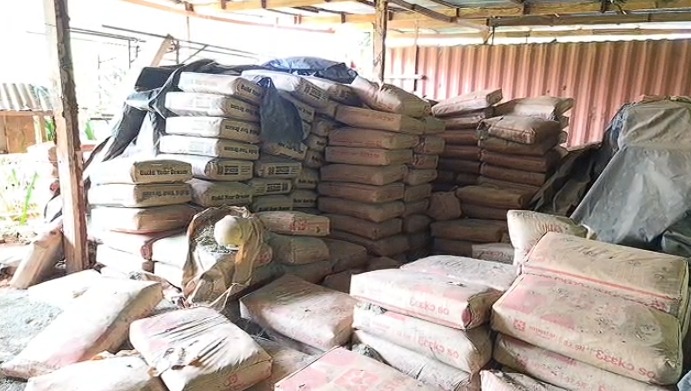
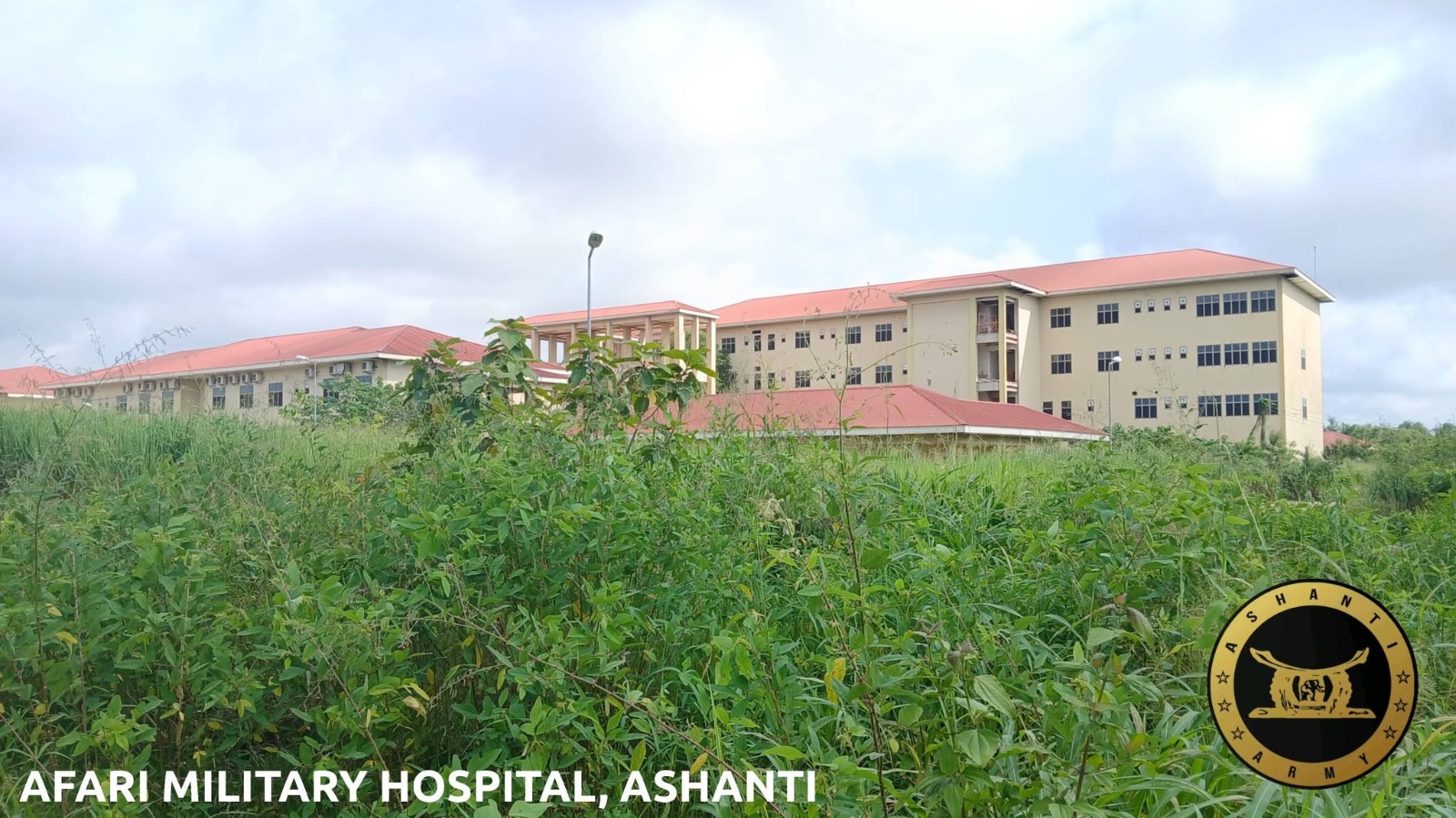
According to the lawmakers, portions of the facility have become overgrown with weeds while some infrastructure is beginning to show signs of deterioration due to prolonged inactivity.
The Afari Military Hospital, which has a capacity of more than 500 beds, was designed to become one of the largest healthcare facilities in the Ashanti Region and to complement the services provided by Komfo Anokye Teaching Hospital.
Health experts and opposition lawmakers have repeatedly argued that once fully operational, the facility would significantly reduce pressure on KATH by absorbing referral cases and expanding access to specialist healthcare services.
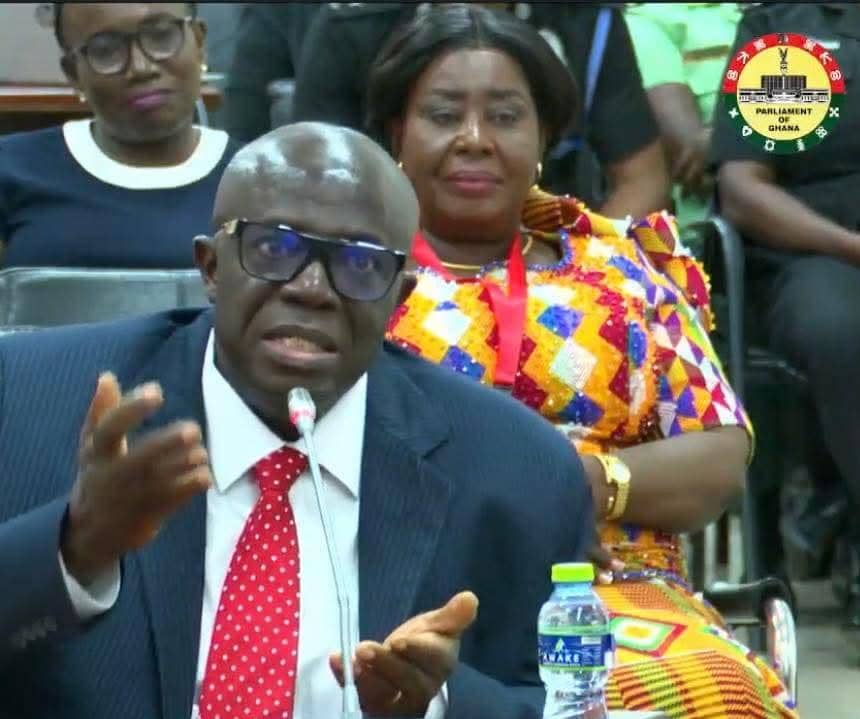
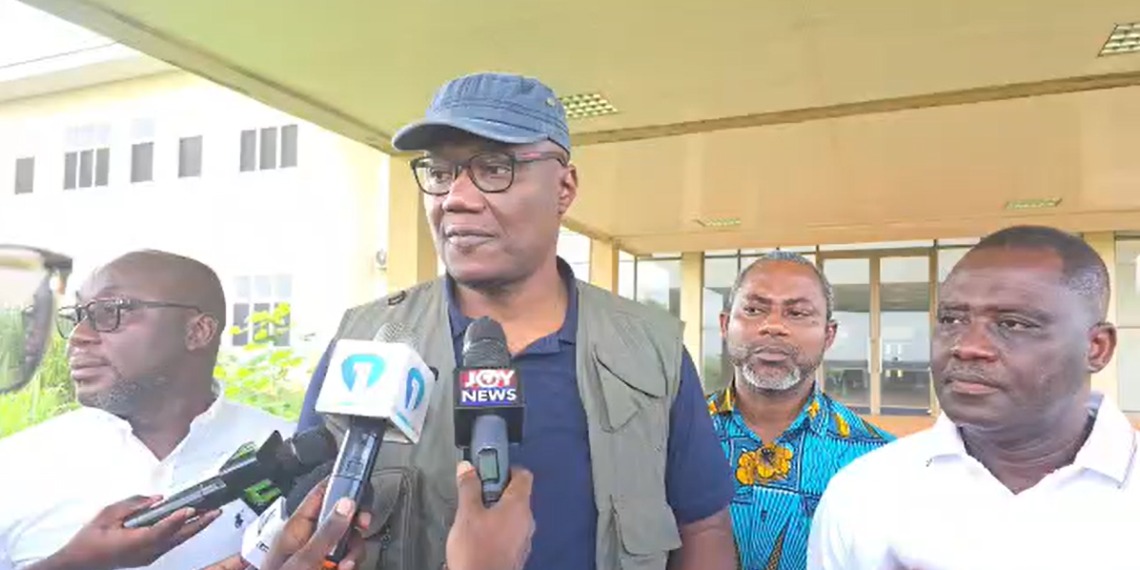
Addressing journalists after the incident, Dr. Nana Ayew Afriyie defended the visit and insisted that the Minority would continue to advocate for the completion of critical health infrastructure projects.
While describing the confrontation as unfortunate, he maintained that public pressure remains necessary to compel government action on projects that have remained stalled despite their importance to healthcare delivery.
“Nobody says these things are right, but it is necessary to put pressure on government. It is a tool for demonstration, a tool to express your feeling,” he stated.
The Ranking Member further stressed that the concerns being raised transcend partisan politics and reflect the genuine healthcare needs of residents in the Ashanti Region and beyond.
He argued that equitable national development requires government to prioritize the completion of strategic projects irrespective of political considerations.
“Just as other regions matter, Ashanti also matters,” he added.
Dr. Ayew Afriyie also questioned government’s spending priorities, contending that relatively modest funding would be sufficient to bring the hospital into operation compared to other large-scale programmes currently being pursued.
According to him, the entire Agenda 111 hospital programme would require approximately GH¢17 billion to complete, while the Afari Military Hospital itself would need an estimated GH¢200 million to reach full completion and commissioning.
He suggested that an initial release of about GH¢50 million could accelerate completion of the project while outstanding balances are settled over time.
The Minority emphasized that their campaign is not intended to score political points but to draw attention to healthcare infrastructure that remains unavailable to the public despite substantial investments.