By Issah Olegor
The aftermath of the New Patriotic Party’s (NPP) defeat in the 2024 general elections has triggered internal disputes, as senior figures clash over responsibility for the party’s historic loss.
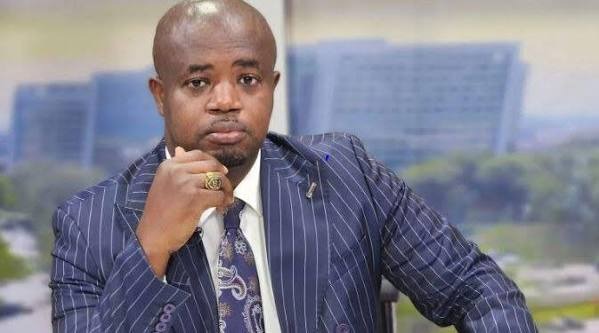
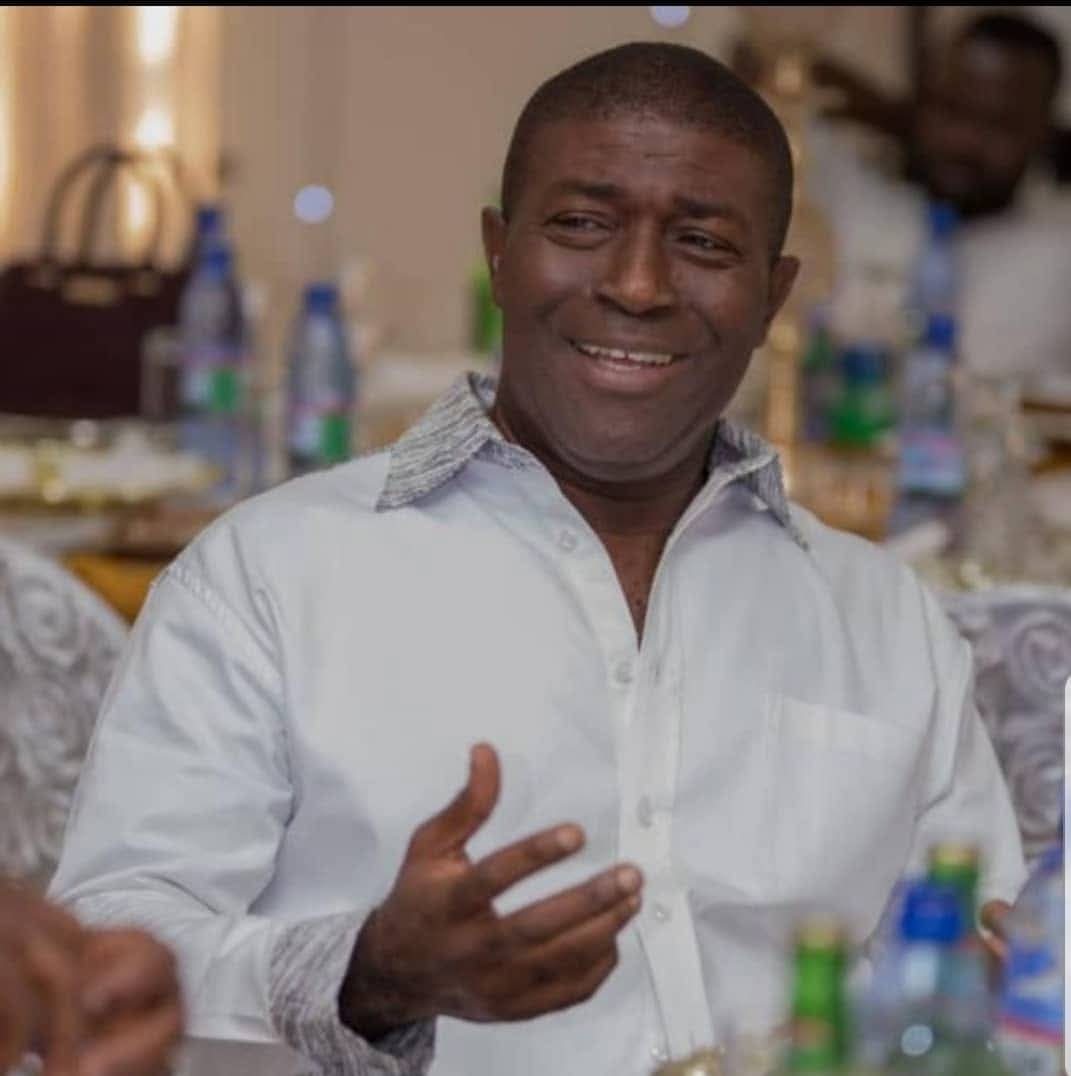
A fresh controversy has erupted between Palgrave Boakye-Danquah, former Government Spokesperson on Governance and Security, and Nana Akomea, former Communications Director of the NPP, centering around Vice President Dr. Mahamudu Bawumia’s role.
In a recent open letter, Palgrave Boakye-Danquah accused Dr. Bawumia, the NPP’s 2024 presidential candidate, of attempting to shift blame for the party’s defeat, describing him as a “key architect” of the government’s unpopular economic policies.
According to Boakye-Danquah, Bawumia cannot distance himself from the failures that contributed to voter disillusionment, pointing to the Electronic Transfer Levy (E-Levy), the high cost of living, delayed reshuffling of government officials, the controversial National Cathedral project, and the mishandling of galamsey (illegal mining) issues.
Boakye-Danquah also cited specific initiatives such as the collapse of the Nation Builders Corps (NABCo) due to non-payment of stipends, and the neglect of caterers under the School Feeding Programme as instances where Bawumia’s leadership fell short.
He questioned Dr Bawumia’s credibility, suggesting it was implausible for a Vice President so deeply embedded in governance to claim ignorance of critical issues like pre-election fuel price hikes.
However, Nana Akomea has come out strongly in defense of Dr. Bawumia.
In a statement issued from the NPP’s ongoing Thank You tour, Nana Akomea dismissed the allegations as unfounded, stressing that Bawumia never sought to deflect blame during his interactions with party members.
According to Akomea, during a meeting with party faithful in Takoradi on April 26, Dr. Bawumia referenced findings from the Professor Mike Oquaye-led committee report, which investigated reasons behind the party’s electoral loss.
Contrary to public speculation, the report concluded that Dr. Bawumia’s Muslim faith was not a significant factor in the defeat.
Instead, it highlighted governance-related issues — economic hardship, perceived arrogance among government officials, controversies around the E-Levy and the Domestic Debt Exchange Programme, high fuel costs, and dissatisfaction over the lack of cabinet reshuffles.
Nana Akomea emphasized that rather than shifting blame, Dr. Bawumia openly acknowledged the failings identified by party supporters and extended an apology, a gesture that was warmly received by those in attendance.
He pointed out that the party’s General Secretary, Justin Kodua Frimpong, and senior member Kennedy Agyapong had similarly acknowledged mistakes and apologized during their addresses, without facing the kind of criticism directed at Bawumia.
“Dr. Bawumia said, ‘These are what you party people have said about us. We acknowledge them and apologise for them.’ How does that amount to shifting blame? And to whom did he shift the blame?” Akomea queried in his statement.