

By Nadia Ntiamoah
The reported arrest and detention of New Patriotic Party (NPP) activist Efya Royal over her alleged connection to the anonymous social media commentator known as “Ghana Jollof” has triggered fresh questions about the approach being adopted by the security agencies in dealing with political commentary and online criticism.
The development has drawn criticism from sections of the opposition and civil society, with the Alliance for Accountable Governance (AFAG) describing the reported arrest as part of what it considers a worrying pattern of intimidation and harassment of people who criticise the government.
In a statement issued on September 7, 2026, AFAG said it was concerned about what it described as increasing arrests and invitations involving citizens who have openly criticised the government. The organisation argued that criticism of government is not a crime and that citizens should not lose their constitutional rights because they express unpopular political opinions or question the management of public resources.
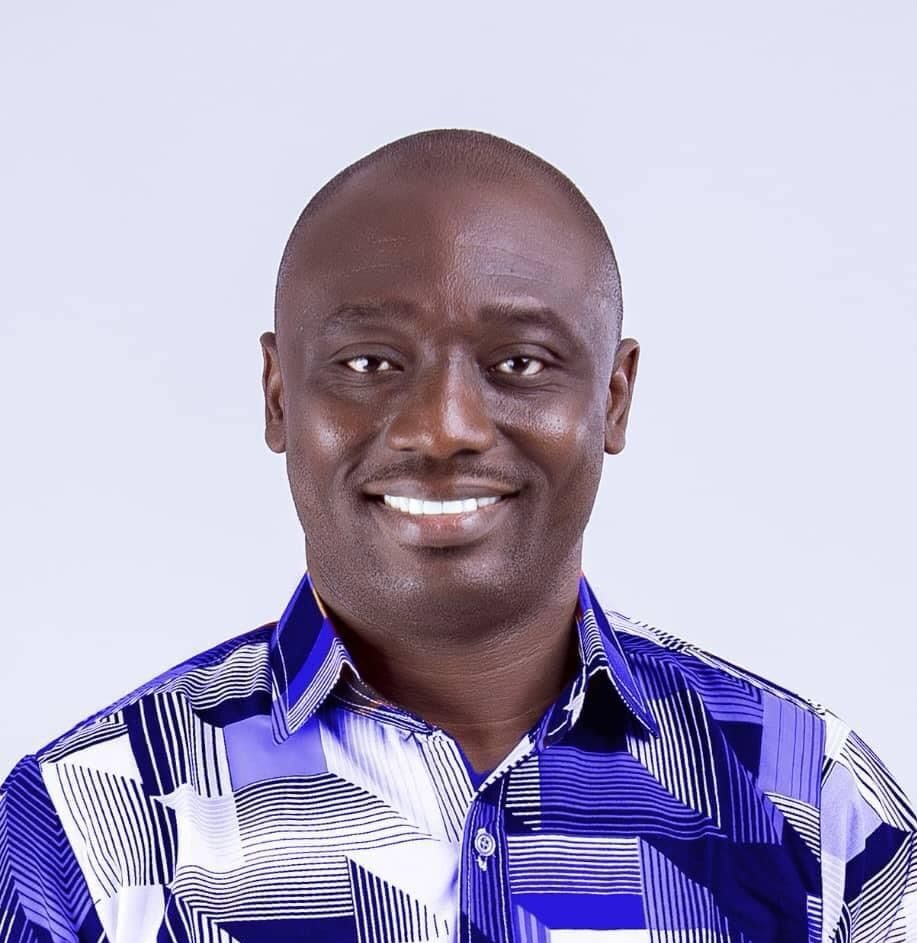
The controversy surrounding Efya Royal centres on claims that she was picked up by the National Bureau Intelligence (BNI), formerly known as the Bureau of National Investigations (BNI), because of her alleged association with or knowledge of the identity and whereabouts of Ghana Jollof.
Critics of the decision, however, are questioning the logic behind involving Efya Royal in the search for an individual who has deliberately maintained anonymity online.
According to arguments advanced by her critics, Ghana Jollof has consistently operated without publicly revealing her identity or showing her face on social media platforms. They therefore contend that there is no obvious basis for assuming that Efya Royal possesses information capable of leading investigators to the anonymous content creator.
The critics say the case raises a fundamental question: whether an individual should be arrested or detained merely because she is believed to operate within similar political or social circles as an anonymous online commentator.
Questions Over the Ghana Jollof Investigation
One of the strongest criticisms of the reported arrest is that it appears, according to its critics, to shift the burden of locating Ghana Jollof onto another political activist rather than the security agencies themselves.
Nana Ayew Afriye, MP for Effiduase Asokore in comments attributed to him, described the reported decision to invite Efya Royal as “the height of absurdity”, arguing that national security intelligence requires precision, rigorous investigation and proper investigative techniques.
He questioned why an activist would be brought into an intelligence investigation simply because of her perceived proximity to the social and political circles in which Ghana Jollof may operate.
His argument is that security agencies have access to investigative tools and procedures that should enable them to establish the identity and whereabouts of persons of interest without relying on activists to provide information about anonymous commentators.
He further argued that Ghana Jollof has repeatedly stated in her broadcasts that her face has never been publicly disclosed, making her identification more difficult through conventional means.
From that perspective, the critics contend that bringing Efya Royal into the investigation does not necessarily advance the search and could instead create a precedent in which individuals are targeted because of their political affiliations or perceived connections.

The Kevin Taylor Comparison
The controversy has also revived an old political argument over what critics regard as differences in how governments treat political commentators depending on their ideological orientation.
Those defending Efya Royal have drawn comparisons with US-based Ghanaian social commentator Kevin Taylor, who has for years been a vocal critic of the New Patriotic Party and former President Nana Akufo-Addo’s administration, as well as other political figures.
The argument being advanced is that Taylor has made strong and, at times, highly controversial statements about prominent Ghanaian politicians without facing what his critics of the current government consider comparable treatment.
The critics specifically point to his continued commentary about former Vice-President Dr Mahamudu Bawumia and his wife, Samira Bawumia.
They further claim that following the change of government, Taylor received unusually favourable treatment, including assistance in returning to Ghana and the subsequent resolution of a court matter.
These claims form part of the political argument surrounding the Efya Royal case, although the AFAG statement itself does not independently establish or provide documentary evidence for all of those assertions.
The broader complaint is that if government critics are to be subjected to security investigations because of political commentary or social media activity, the same standards should apply irrespective of political allegiance.
Ghana Jollof’s Emergence
Ghana Jollof has emerged as an anonymous online personality whose content has attracted attention for its political commentary and attacks on political figures.
Critics of the government say the commentator became particularly prominent amid what they describe as the continued circulation of harsh political commentary against opposition figures.
According to the argument presented by Efya Royal’s supporters, Ghana Jollof’s content represents a form of political counterattack against personalities who have themselves faced intense criticism from government opponents.
They contend that the government’s alleged response to Ghana Jollof’s content has been disproportionate, particularly if the security agencies have indeed arrested or detained another person in an attempt to establish the commentator’s identity.
The central question, therefore, is whether Efya Royal’s alleged connection to Ghana Jollof constitutes sufficient grounds for state intervention.
AFAG Warns Against Selective Enforcement
AFAG has placed the Efya Royal controversy within a wider concern about the use of state security institutions.
The organisation said security agencies were established to protect the Constitution and the people of Ghana, rather than to become instruments for silencing political opponents, journalists, activists or citizens who disagree with government.
AFAG also referred to previous cases involving individuals it said had been subjected to what it described as arbitrary or politically motivated security action. Among the names mentioned were Sir Obama Pokuase and Fante Comedy.
The organisation further alleged that several people associated with the NPP had recently been arrested or invited by security agencies over conduct which it considered less serious than statements and actions previously made by NDC members while the party was in opposition.
That comparison has become an important part of the current political debate, particularly because the Mahama administration came to office promising a political “reset” after the 2024 elections.
For critics, the Efya Royal case raises questions about whether that promise is being reflected in the government’s handling of dissent and political criticism.
Constitutional Rights at the Centre of the Dispute
At the heart of the controversy is the constitutional protection of freedom of speech and expression.
AFAG argues that government cannot demand accountability from citizens while simultaneously creating an environment in which people are afraid to question those in authority.
The group has therefore called on the Ghana Police Service, the BNI and other security agencies to operate professionally, independently and strictly within the Constitution and the law.
AFAG does not argue that citizens suspected of committing offences should be immune from investigation. Instead, it maintains that where an offence has been committed, the appropriate legal process should be followed and that security institutions should not be used to settle political scores or intimidate dissenting voices.
The organisation has also called on the Attorney-General and Minister for Justice to ensure that criminal law is not selectively deployed against government critics while similar conduct by people sympathetic to the government is ignored.
Pressure on Mahama Administration
The controversy now places another test before President John Dramani Mahama’s administration over its handling of political dissent, national security and freedom of expression.
Critics are demanding that the President and his government clarify the circumstances surrounding Efya Royal’s arrest and explain what specific information or offence justified the security intervention.
They argue that if Efya Royal has no direct knowledge of Ghana Jollof’s identity or whereabouts, continued detention would serve little investigative purpose.


