BY Daniel Bampoe
The violent that erupted during the parliamentary rerun in Ablekuma North on Friday, July 11, have sparked national outrage and exposed deep partisan fault lines, with key members of the ruling National Democratic Congress (NDC) justifying the violence by referencing past incidents under the New Patriotic Party (NPP).
Meanwhile, the Vice President, Prof. Naana Jane Opoku-Agyemang, has broken ranks with her party’s firebrands, condemning the attacks and calling for peace and restraint.
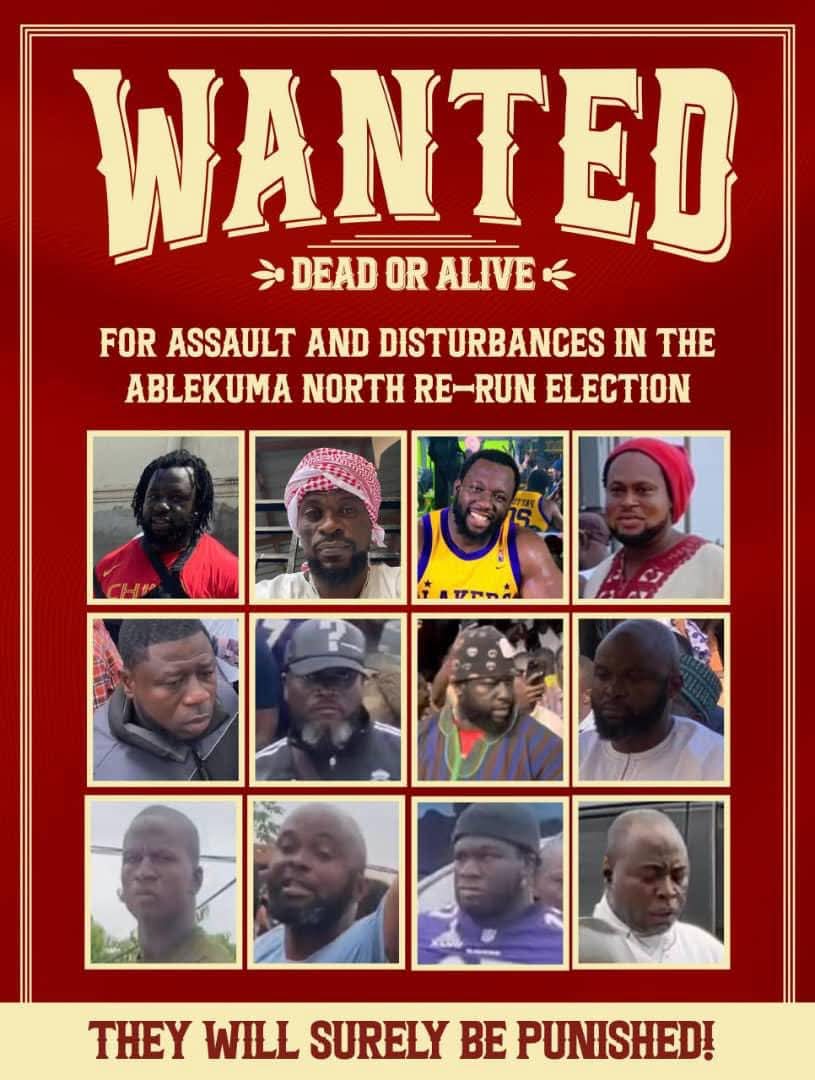
The rerun, conducted across 19 polling stations in the constituency, descended into chaos when armed men—widely believed to be affiliated with the NDC—stormed the St. Peter’s Society polling centre.
The NPP parliamentary candidate Nana Akua Owusu Afriyieh, former Fisheries Minister Mavis Hawa Koomson, the NPP Deputy National Organiser, Lloyd and journalists covering the event were physically assaulted.
The disturbing images and testimonies have since dominated public discourse.
NDC Figures Justify Violence with Ayawaso West Wuogon Incident
In a controversial series of statements, some NDC figures have openly or tacitly justified the Ablekuma North violence by pointing to the unresolved 2019 Ayawaso West Wuogon by-election attacks.
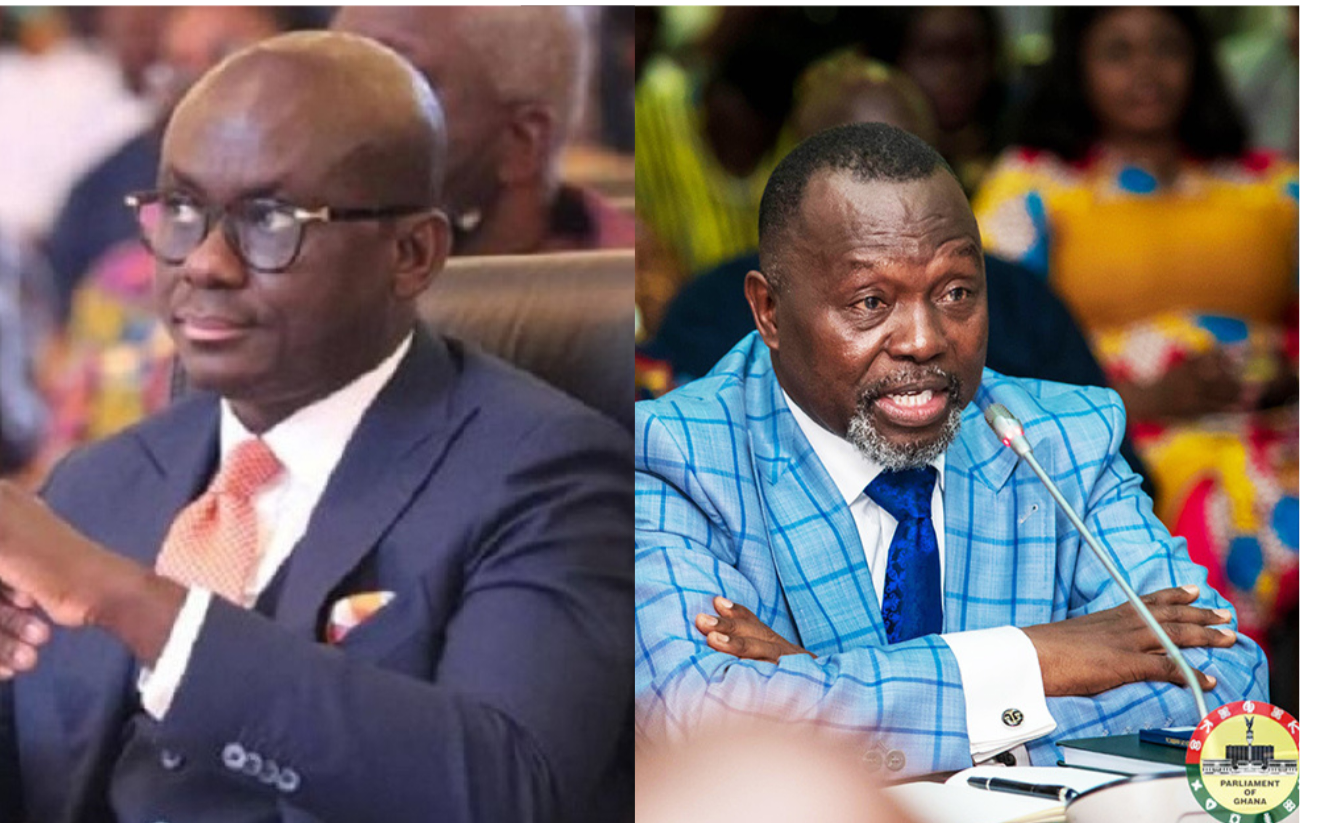
At the time, NDC Member of Parliament for Ningo-Prampram, Sam George, was assaulted by masked security operatives.
Reacting to the latest violence, Sam George took to Facebook to vent:
“Let no one who justified the 2019 incident dare try to speak today. You sowed the wind and you have reaped the whirlwind… What was sauce for the goose is sauce for the gander.”
He further criticized the Ghana Police Service for their inaction on his complaint from the 2019 incident, asserting that justice must be served on a “first come, first served” basis.
His comments have been widely interpreted as a rationalization for the Ablekuma North attacks.
Dr. Hanna Bissiw, the NDC’s National Women’s Organiser and CEO of the Minerals Development Fund, also courted controversy when she was interviewed by Channel One TV.
Asked about the assault on Hawa Koomson, Bissiw responded:
“Violence begets violence. If you live by the sword, you’ll die by the sword,” in her justification.
She accused Koomson of orchestrating violence against her in the past, particularly during a previous election incident at Ayawaso West Wuogon.
While Bissiw claimed the NDC had no interest in disrupting the rerun because they were confident of victory, she also speculated that the attack on Koomson might have been “an internal something” from within the NPP.
Her statements have been slammed by political analysts and civil society actors as reckless and dangerous.
Vice President Prof. Naana Jane Opoku-Agyemang Condemns Violence
In sharp contrast to her party colleagues, Vice President Prof. Naana Jane Opoku-Agyemang publicly condemned the violence and called for a return to peaceful democratic practices. In a statement shared on her official Facebook page, she wrote:
“While it is good to be interested in the direction our country is taking, we should not allow our passion to devolve into violence. Human life is precious.”
She emphasized the need for all political stakeholders and citizens to ensure that elections in Ghana are peaceful and uneventful exercises.
“Let us get to a place where elections are, by default, orderly and even ordinary events,” she added.
Despite the violence, Prof. Opoku-Agyemang congratulated Ewurabena Aubynn, the NDC’s MP-elect for Ablekuma North, for her “decisive victory” and commended her courage and determination throughout the election process.
Mustapha Gbande Denies Involvement
Deputy General Secretary of the NDC, Mustapha Gbande, who was accused by Minority Leader Alexander Afenyo-Markin of playing a role in the violence, has strongly denied the allegations.
In a statement issued on July 12, Gbande said: “I unreservedly condemn every lawless act and urge the police to conduct full and impartial investigations.”
He confirmed his presence in the constituency as part of routine monitoring but insisted he had no role in any violence.
He said he only arrived at the scene after the incident to help transport Hawa Koomson to the hospital.
Gbande criticized Afenyo-Markin’s accusations as baseless and “politically motivated,” warning that such disinformation undermines democratic discourse.
He revealed that the matter has been referred to his legal team for further action.
NPP, Journalists, and Observers Demand Justice
Former Vice President and 2024 NPP flagbearer Dr. Mahamudu Bawumia swiftly condemned the violence, describing it as a direct assault on Ghana’s democratic fabric.
“This is not the democracy Ghana deserves,” he said.
His aide, Dennis Miracles Aboagye, who witnessed the attacks, criticized the government and security services for failing to prevent or control the situation.
In a scathing post, Miracles Aboagye wrote: “Violence has no place in our democracy. The police are unable to protect themselves during elections, let alone citizens.”
He further questioned the effectiveness of the Vigilantism and Related Offences Act, 2019 (Act 999), passed after the Ayawaso West incident.
“While the NPP saw the sense in stopping Election Day vigilantism, the NDC clearly saw that as an opportunity to rather arm up,” he said.
Miracles Aboagye called for the immediate establishment of a “Protection Committee” within the NPP to safeguard its members on Election Day, concluding ominously: “I am sure we know what to do.”
GJA
The Ghana Journalists Association (GJA) and other media advocacy groups have also expressed deep concern over the assault on a journalist during the rerun.
Press freedom advocates have warned that continued attacks on the media undermine transparency and democracy.
Context and Broader Implications
The Ablekuma North rerun became necessary after disputes in the December 2024 parliamentary elections.
The constituency has been hotly contested, with both the NDC and NPP heavily investing in winning it.
Despite the passage of the anti-vigilantism law in 2019—which prescribes 10–15 years imprisonment for membership in such groups and 15–25 years if armed—the recurrence of election-related violence suggests enforcement gaps and political hypocrisy.
Observers warn that the increasing pattern of justifying present violence with past incidents could plunge Ghana into a dangerous cycle of electoral revenge.
Critics argue that invoking the Ayawaso West Wuogon incident as a moral license for new violence is both legally flawed and ethically irresponsible.