–BY Issah Olegor
A new controversy has erupted in the Sekondi-Takoradi Metropolitan Area after government machinery assigned to the District Road Improvement Programme (DRIP) was allegedly used without authorization for a private construction project linked to the Church of Jesus Christ of Latter-day Saints.
The incident has led to arrest and renewed scrutiny over how public resources are being handled at the local level.
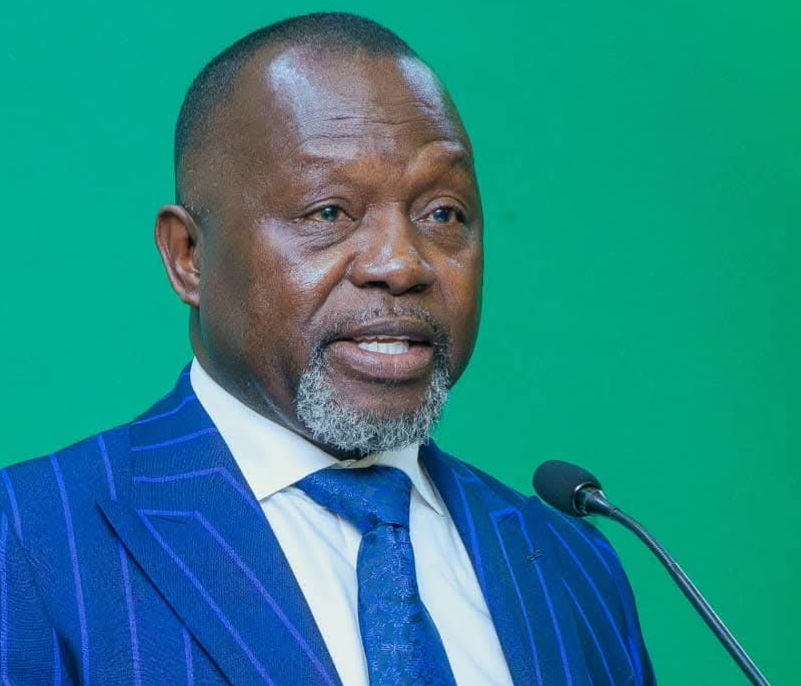
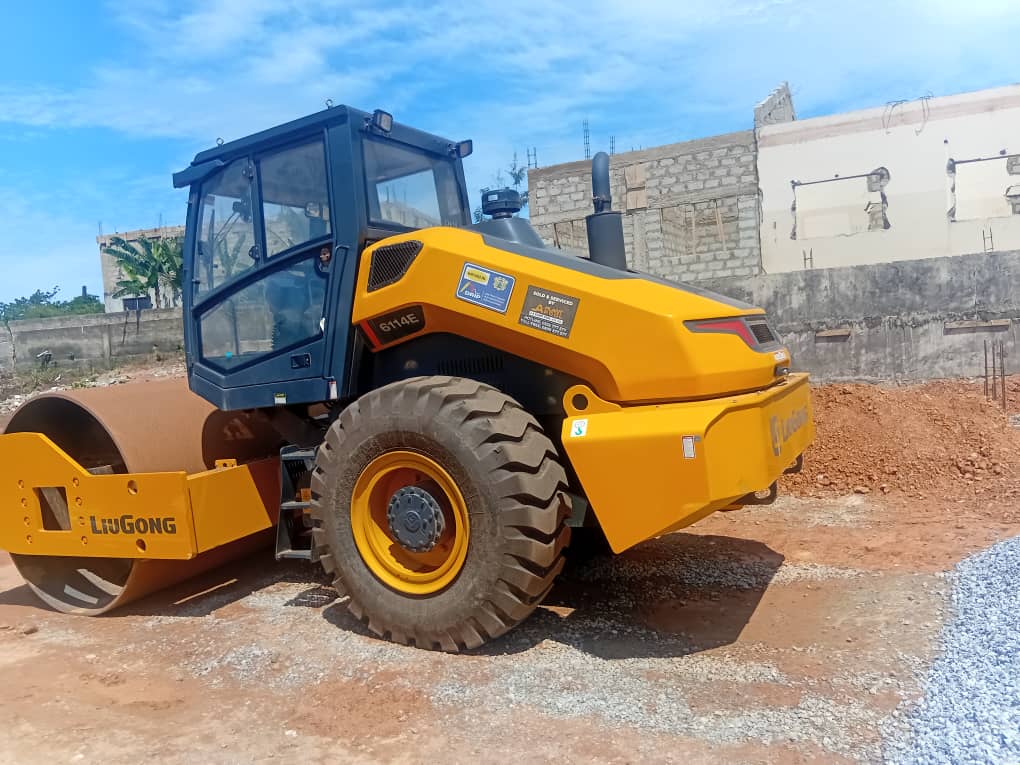
The Western Regional DRIP Coordinator, George Bamfo, triggered the arrest of some equipment operators after discovering two tipper trucks and a payloader at a church construction site in Sofokrom, a peri-urban community within the Sekondi-Takoradi Metropolis.
The equipment, meant for improving rural and inner-city roads, was reportedly being used to cart clay for landfilling activities on private property — a move Bamfo condemned as “unauthorized and unacceptable.”
The District Road Improvement Programme (DRIP) is a government initiative designed to improve local road infrastructure across Ghana. Earth-moving equipment, including graders, payloaders, and trucks, are allocated to metropolitan, municipal, and district assemblies (MMDAs) to tackle poor roads, especially in rural and hard-to-reach areas.
However, the programme has been hampered by recurring allegations of abuse, including diversion of machinery for private projects, poor oversight, and failure to maintain equipment.
The latest incident adds to growing concerns about systemic misuse and lack of accountability within local government institutions.
According to George Bamfo, this is not the first time he raised red flags about the unauthorized deployment of DRIP machinery in Sekondi-Takoradi.
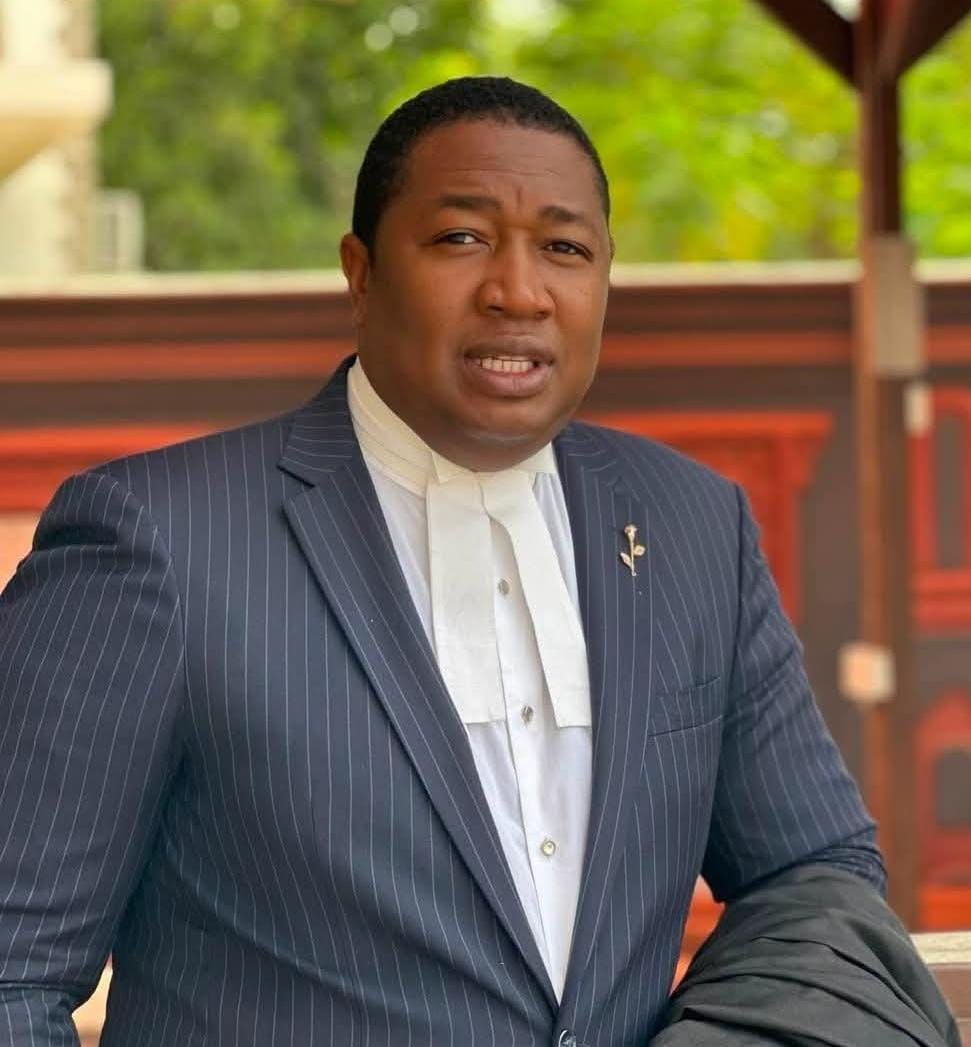
Weeks prior to the latest incident, he had questioned the Urban Roads Engineer, Mike Dzisi, over similar infractions.
Mike Dzisi had then claimed that the equipment was being used for drainage works, a justification Bamfo said did not align with the facts on the ground.
“I questioned him [Mike Dzisi] about that operation, and what he said was that his boys were responsible and that he would order them to stop,” Bamfo told Connect FM.
“But today again, I found two trucks and a payloader at a private church site. That was the last straw. I had to take action before things get out of hand.”
Bamfo emphasized that equipment under the DRIP initiative is designated for improving dilapidated roads in areas such as Anoe, Ehyiem, Kansaworodo, and Mampong — not for private church construction.
Administrative Breaches and Breakdown of Oversight
The DRIP Coordinator criticized the Urban Roads Engineer for what he described as a blatant disregard for due process and hierarchical authority.
He stressed that, in the absence of district-level coordinators, all requests for the use of DRIP equipment are to be approved by his office.
“There is a clear chain of command. If equipment is needed, it has to go through me, and I must file monthly reports to the national directorate. But here we are, with engineers making their own decisions and offering government equipment for private use,” he lamented.
He further disclosed that a standing directive had already been issued to restrict the use of DRIP machinery strictly to emergency interventions due to unresolved maintenance concerns.
This, according to him, makes the unauthorized use even more problematic.
Urban Roads Engineer Responds
In response, Urban Roads Engineer Mike Dzisi confirmed that the Metropolitan Chief Executive (MCE) had been informed about the use of the equipment at the site in question.
However, he declined to comment further, citing the fact that the matter was under police investigation.
His brief response raises additional questions about whether local political authorities were complicit in the misuse of the equipment, or whether the information provided to them was misleading.
Community Outrage and Broader Implications
The incident has triggered public outrage in several communities within the metropolis.
Residents in road-deprived areas like Mampong and Kansaworodo have expressed frustration, accusing city officials of prioritizing private interests over the public good.
“How can they send trucks to a church when our roads are filled with potholes and dust?” a resident of Kansaworodo told reporters. “We’ve been waiting for years, and now we see the same equipment being used elsewhere. It’s heartbreaking.”