By Daniel Bampoe
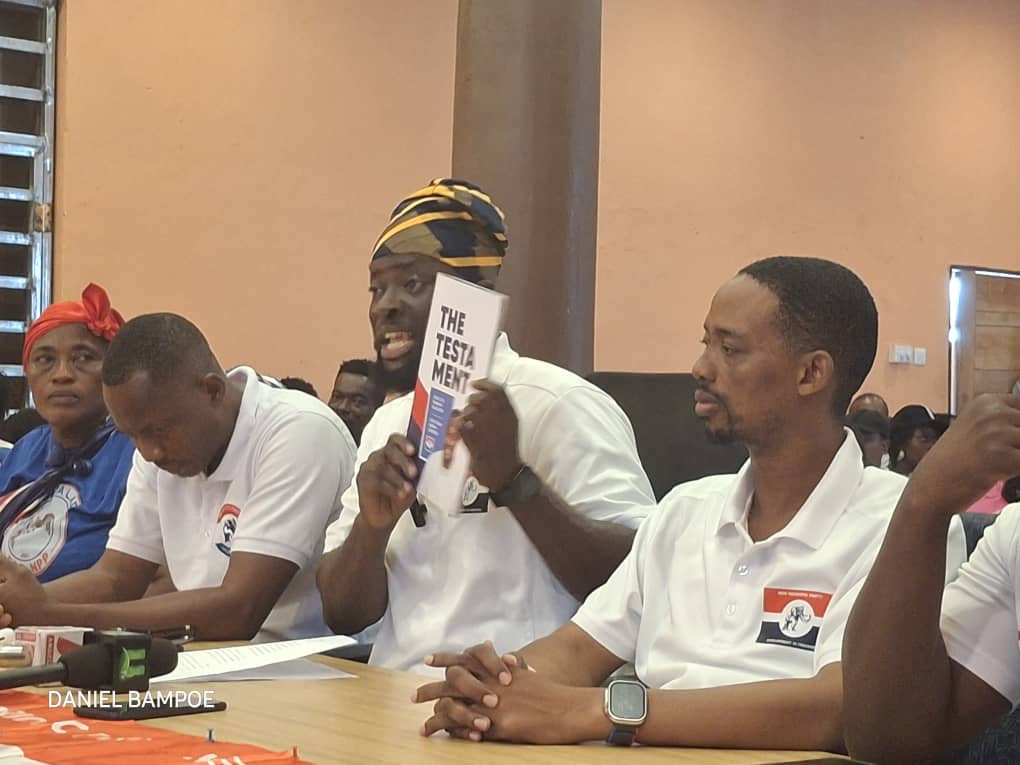
The die is cast as the New Patriotic Party (NPP) has officially scheduled its presidential primaries for January 31, 2026, in a decisive move that forms part of a broader internal restructuring agenda.
This landmark decision, announced by General Secretary Justin Kodua Frimpong following a joint meeting of the party’s National Executive Committee (NEC) and National Council in Accra, sets the tone for a strategic electoral cycle beginning in December this year.
According to the roadmap, polling station elections will kick off on December 6, 2025, and will be followed sequentially by constituency, regional, and national executive elections on dates yet to be determined.
However, in a significant shift from tradition, the party has resolved to elect its flagbearer before electing national executives—a top-down electoral model that has drawn both support and criticism within party ranks.
Three individuals have thrown their hats into the ring while the fourth person, Dr Yaw Osei Adutwum, former Education Minister is flip flopping on his political future albeit his presidential ambitions.
The front runner in the race to leader the NPP former Vice President and presidential candidate in the last election, Dr Mahamudu Bawumia.
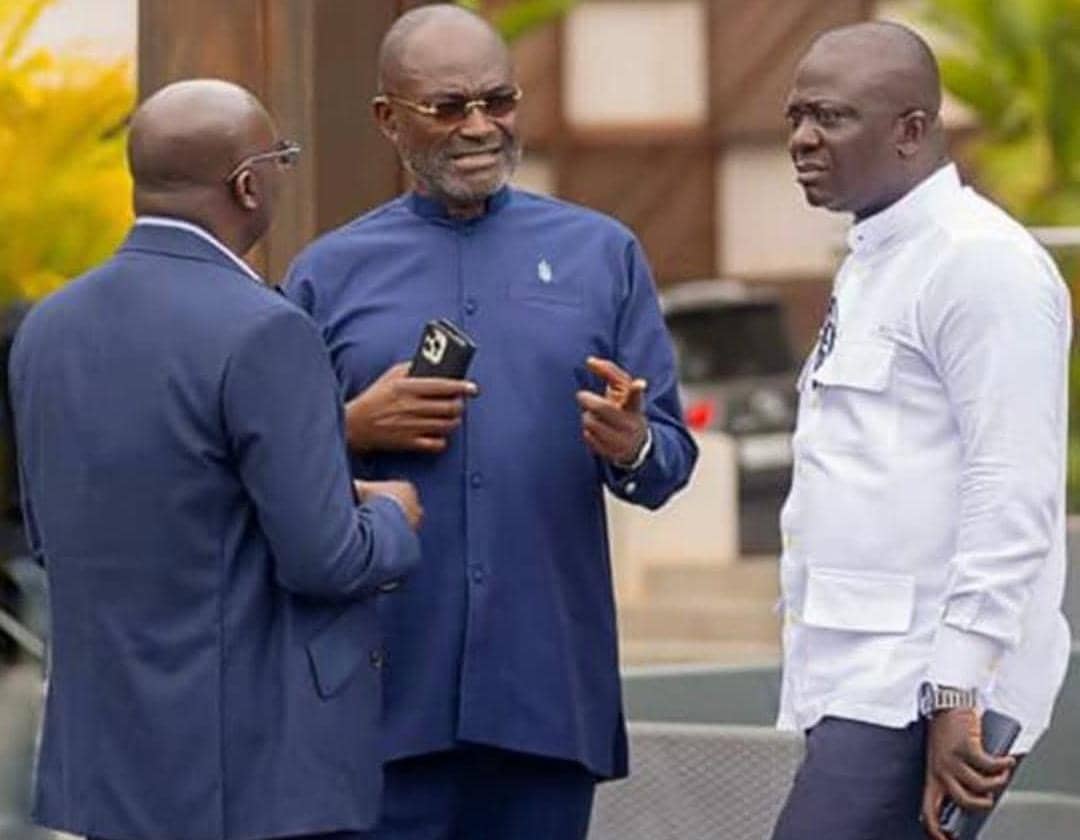
The rest are Kennedy Ohene Agyapong, who was second in the last presidential primaries of the NPP, and a new entrant, Kwahu billionaire, Bryan Acheampong who has a deep pocket.
Top-Down Electoral Approach
The National Council, the party’s second-highest decision-making body, overwhelmingly endorsed the proposal for a top-down electoral structure, reversing the longstanding approach of building leadership from the grassroots up.
The aim, party leaders explained, is to ensure a harmonious working relationship between the future flagbearer and the national executive body—a tactic designed to avert the post-primary leadership tensions that have previously plagued the party.
Despite strong opinions on both sides, only one dissenting vote was recorded, signaling widespread consensus.
Observers say this restructuring could consolidate strategic alignment between the party’s presidential candidate and the party machinery ahead of the 2028 general elections.
Constitutional Review Committee
To operationalize this new approach, the NPP’s leadership has activated a Constitutional Review Committee tasked with proposing and implementing the necessary amendments.
The committee is chaired by former MP, Joseph Osei-Owusu and includes a mix of party stalwarts such as National Organizer, Nana Boakye (Vice-Chair), and among others.
The committee’s proposals will be deliberated at a policy conference scheduled between March and May 2026 and eventually presented at a National Delegates Conference.
The reforms are expected to touch on funding structures, eligibility requirements, and recognition of appointed officers within the national executive framework.
Internal Controversies
The National Council meeting was not without controversy.
First Vice Chairman Danquah Smith Butey, who chaired the meeting, faced multiple petitions from party members demanding his disqualification from presiding, following alleged attacks on national executives.
His continued role was only secured after former Vice President Dr. Mahamudu Bawumia intervened with a passionate plea for unity and reconciliation.
Butey was permitted to chair the session on the condition that he offered an unqualified apology to the NEC—a move seen by some as a gesture of unity but by others as political leniency.
The party was going through leadership test as internal tensions erupt over the temporary withdrawal of National Chairman Stephen Ayesu Ntim due to health concerns.
What initially seemed like a routine medical leave has triggered a political battle among top party executives, with accusations, midnight meetings, and a looming no-confidence vote now dominating party corridors.
Chairman Ntim, who has been unwell in recent weeks, was formally excused from active duties following an appeal from his family, submitted through the NPP Council of Elders.
Ablekuma North Electoral Dispute
Another pressing matter at the meeting was the unresolved parliamentary results in the Ablekuma North constituency, where collation for three polling stations remains incomplete.
The party has openly criticized the Ghana Police Service for failing to provide the Electoral Commission (EC) with the security required to finalize the process.
Kodua revealed that while the EC had expressed readiness to conclude the collation, the Police declined to offer protection, citing a supposed legal challenge from the NDC.
The NPP chief scribe, however, dismissed this justification, pointing out that no case regarding Ablekuma North is pending before the Supreme Court, and that the High Court had already directed the EC to complete the process.
The NPP has accused the NDC of using legal pretexts to obstruct the process and warned the Ghana Police Service against being complicit in what it described as “unjustified delay tactics.”
Launch of Party School
Meanwhile, the party is preparing to launch its official party school on June 25, 2025, as part of its broader strategy to enhance ideological training and political education across all ranks.
The initiative has received significant backing from grassroots members, with over 300,000 applications reportedly received.
The school is expected to serve as an incubator for future leadership and a platform for building policy coherence ahead of future national contests.
Call for Discipline
Amid the strategic plans and structural reforms, Kodua took time to caution party members against sowing division and spreading misinformation on public platforms.
He stressed that the NPP remains a democratic institution that values free expression but within the confines of internal structures.
“We expect all members to show respect for our constitution, our leaders, and the structures we have built over the years,” Kodua emphasized.