–By Grace Zigah
After nearly two weeks of crippling industrial action, the Ghana Registered Nurses and Midwives Association (GRNMA) has officially called off its nationwide strike, offering relief to patients and the overstretched healthcare system.
The decision follows a series of intense negotiations with government officials and members of the Parliamentary Select Committee on Health.
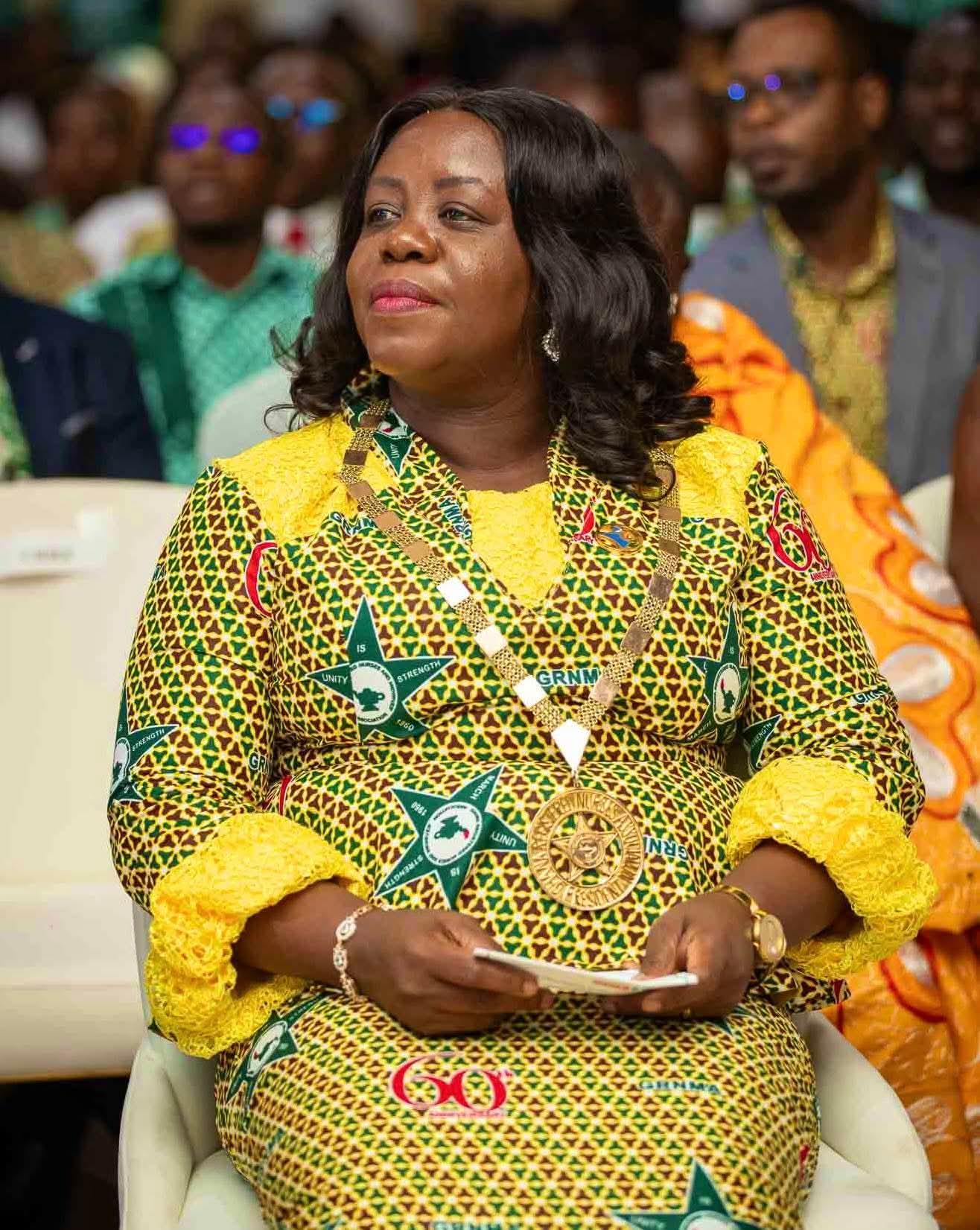
Announcing the suspension at a virtual press briefing on Friday, June 13, GRNMA President Perpetual Ofori-Ampofo revealed that the strike, which began on June 2, 2025, would end effective immediately, with nurses and midwives directed to resume duty on Saturday, June 14.
“The engagement held with the Parliamentary Select Committee on Health and other stakeholders on Thursday, 12th June, was fruitful,” Ofori-Ampofo stated.
“It has paved the way for an amicable resolution of the impasse concerning the implementation of our collective bargaining agreement.”
Background to the Strike
The industrial action was sparked by the government’s failure to implement key aspects of the 2024 Collective Bargaining Agreement (CBA) signed with the GRNMA.
These included long-promised allowances such as the 30-month pay arrears, fuel, rural incentives, and uniform allowances, all of which the union argues are vital to improving the welfare of the country’s over 120,000 nurses and midwives.
The situation deteriorated further when talks between the union and the government broke down earlier this month.
By June 9, the strike escalated into a complete withdrawal of services, leading to widespread disruptions across hospitals and clinics nationwide.
Emergency services were overwhelmed, outpatient departments shut down, and many critical procedures postponed, sparking public outrage and anxiety over rising fatalities.
The government, citing fiscal constraints, argued that the proposed package—estimated to exceed GH¢2 billion—would destabilize the national budget and jeopardize efforts to maintain a 1.5% primary balance surplus under the country’s current economic recovery program.
Government Appeal and Parliamentary Intervention
In response to the intensifying crisis, Deputy Finance Minister Thomas Nyarko Ampem appealed directly to the nurses and midwives to reconsider their action and return to the negotiation table.
This was followed by Health Minister Kwabena Mintah Akandoh, who urged the GRNMA to resume work while government explored budgetary avenues to accommodate their demands.
Eventually, Parliament stepped in to mediate.
The Select Committee on Health brokered a compromise, culminating in a roadmap that includes a follow-up meeting on June 26 to finalize implementation timelines.
A Watchful Return
While the strike has been called off, Ofori-Ampofo made it clear that the union remains vigilant.
She emphasized that the decision to return to work is conditional, pending the government’s faithful execution of the agreed roadmap.
“We do not take delight in seeing our patients suffer,” she said. “But we cannot care for others when the system fails to care for us.”
She also reiterated the non-partisan and professional nature of the GRNMA, noting that the union has worked with every government since 1960 and remains focused solely on improving conditions for healthcare workers.
The GRNMA also thanked the media for amplifying their concerns, and warned the public against falling for misinformation or politicization of the strike.
She further extended appreciation to Parliament for stepping in to prevent further harm to patients.
With the return of nurses and midwives now imminent, hospitals are expected to gradually stabilize.
However, the coming weeks will be crucial as the union assesses whether the government will honour its commitments—or face renewed industrial action.