BY Daniel Bampoe
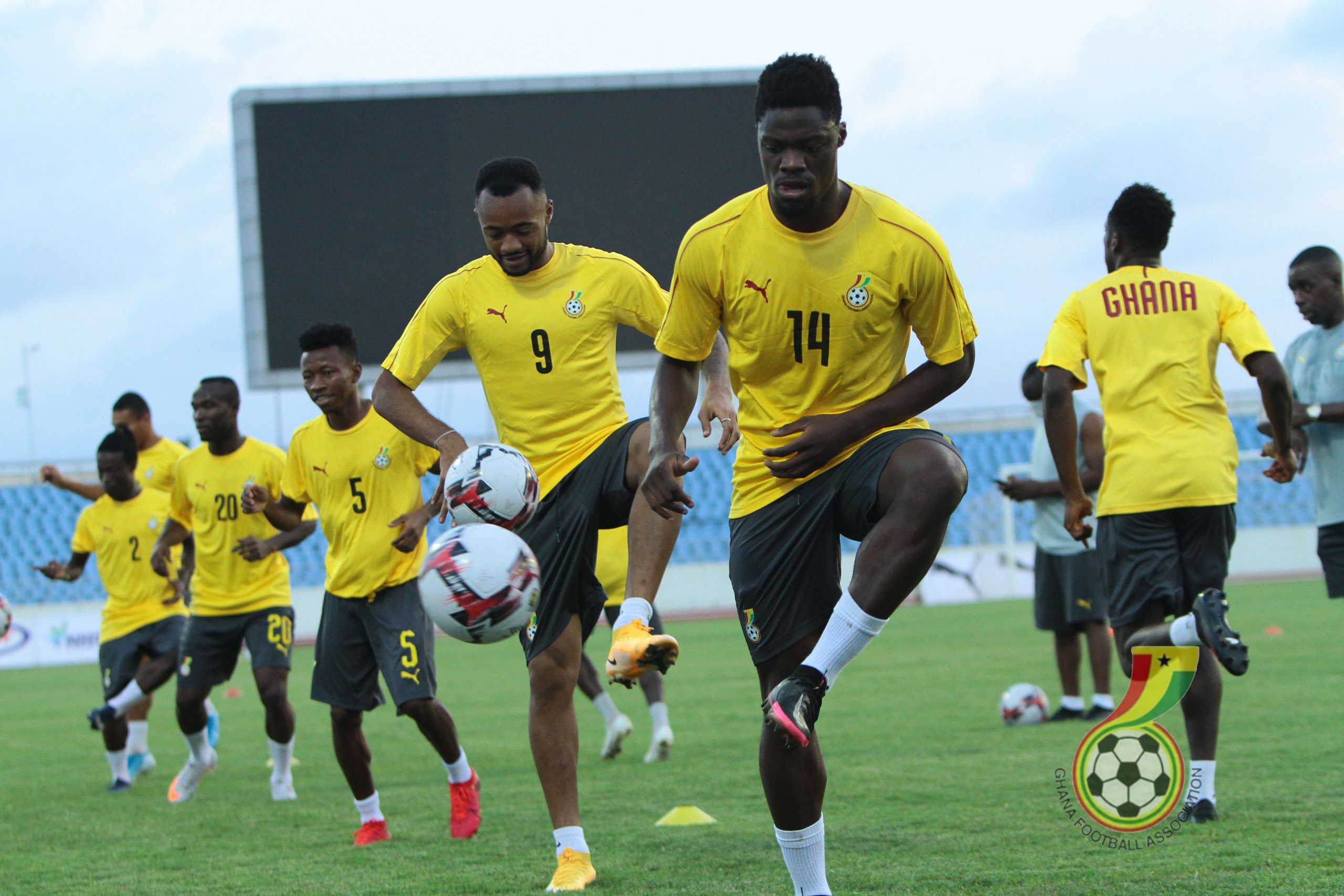
Ghana head coach Otto Addo has declared that the 2025 Unity Cup will serve as a strategic testing ground for evaluating emerging players and assessing squad depth, as the Black Stars prepare for a crucial phase in their rebuild.
The four-nation tournament, scheduled to run from May 28 to 31 at the GTech Community Stadium in London, features Ghana, Nigeria, Jamaica, and Trinidad and Tobago.
For Otto Addo, the tournament offers more than bragging rights—it is a laboratory for tactical experimentation and talent identification ahead of the 2026 FIFA World Cup qualifiers in September.
“This is a good opportunity to test players and find answers to some lingering questions about who is ready for the next level,” Addo said in an interview ahead of the squad announcement.
“We are happy we have this platform to give new and young players the chance to prove themselves.”
The announcement of the Unity Cup squad on Monday, May 26, raised eyebrows after several high-profile names were left out.
Arsenal midfielder Thomas Partey, West Ham playmaker Mohammed Kudus, Bournemouth striker Antoine Semenyo, and Athletic Bilbao forward Inaki Williams were all missing from the list.
The Ghana Football Association (GFA) later clarified that Partey, in particular, was excused to allow him to recover after a demanding season with Arsenal, where he played a key role in their Champions League semi-final run and second-place finish in the Premier League. Addo also emphasized that Partey remains central to his plans.
In contrast to the missing stars, the squad features several home-based players, underlining a renewed commitment to domestic talent.
Accra Hearts of Oak’s Benjamin Asare and Kumasi Asante Kotoko striker Kwame Opoku were among four Ghana Premier League players called up—signaling a shift toward greater inclusion of local performers in the national team fold.
Addo defended the decision, highlighting the importance of broadening the player base: “We have so many questions about our players, and this is the perfect opportunity to see who’s ready. It’s not just about the big names—it’s about building a solid, reliable squad.”
The Unity Cup has grown in significance since its inception as a post-pandemic and post-political transition initiative aimed at promoting unity and patriotism through sport.
For Ghana, it has become a vital touchstone for squad assessment between major international competitions.
The squad announcement also signals a deeper strategy from the GFA, following disappointing outings in recent years.
Ghana’s early exit from the 2022 FIFA World Cup and a lackluster performance at the 2023 Africa Cup of Nations led to calls for structural change and a generational transition. Otto Addo’s return as head coach has since been marked by tactical pragmatism and a clear focus on youth integration.
The current squad, which includes experienced campaigners like Jordan Ayew (Leicester City), Mohammed Salisu (AS Monaco), and Gideon Mensah (Bordeaux), is balanced by rising prospects such as Abdul Aziz Issah (Barcelona Atletic), Christopher Baah Bonsu (Genk), and Abdul Salis Samed (Sunderland).
Their inclusion reflects a deliberate blend of stability and experimentation.
The Unity Cup will also offer opportunities to reassess players like Felix Afena-Gyan (Juventus Next Gen) and debutants like Mamudu Kamaradini (Medeama SC), who are seeking to cement their places in a rejuvenated Black Stars squad.
Ghana’s opening match against Nigeria on May 28 will be closely watched, not just for the traditional rivalry, but as a gauge of how Otto Addo’s evolving side is taking shape.
Should the Black Stars win, they will face either Jamaica or Trinidad and Tobago in the final.