By Issah Olegor
The Trades Union Congress (TUC) has renewed calls for an urgent and comprehensive review of Ghana’s labour laws, arguing that the country’s current legal framework is struggling to adequately protect workers amid rising living costs, low wages, inadequate pensions and increasingly insecure forms of employment.
The TUC says the challenges confronting Ghana’s workforce have evolved considerably since the enactment of the Labour Act, 2003 (Act 651) and that the law must now be updated to reflect the changing nature of employment and strengthen the institutions responsible for protecting workers.
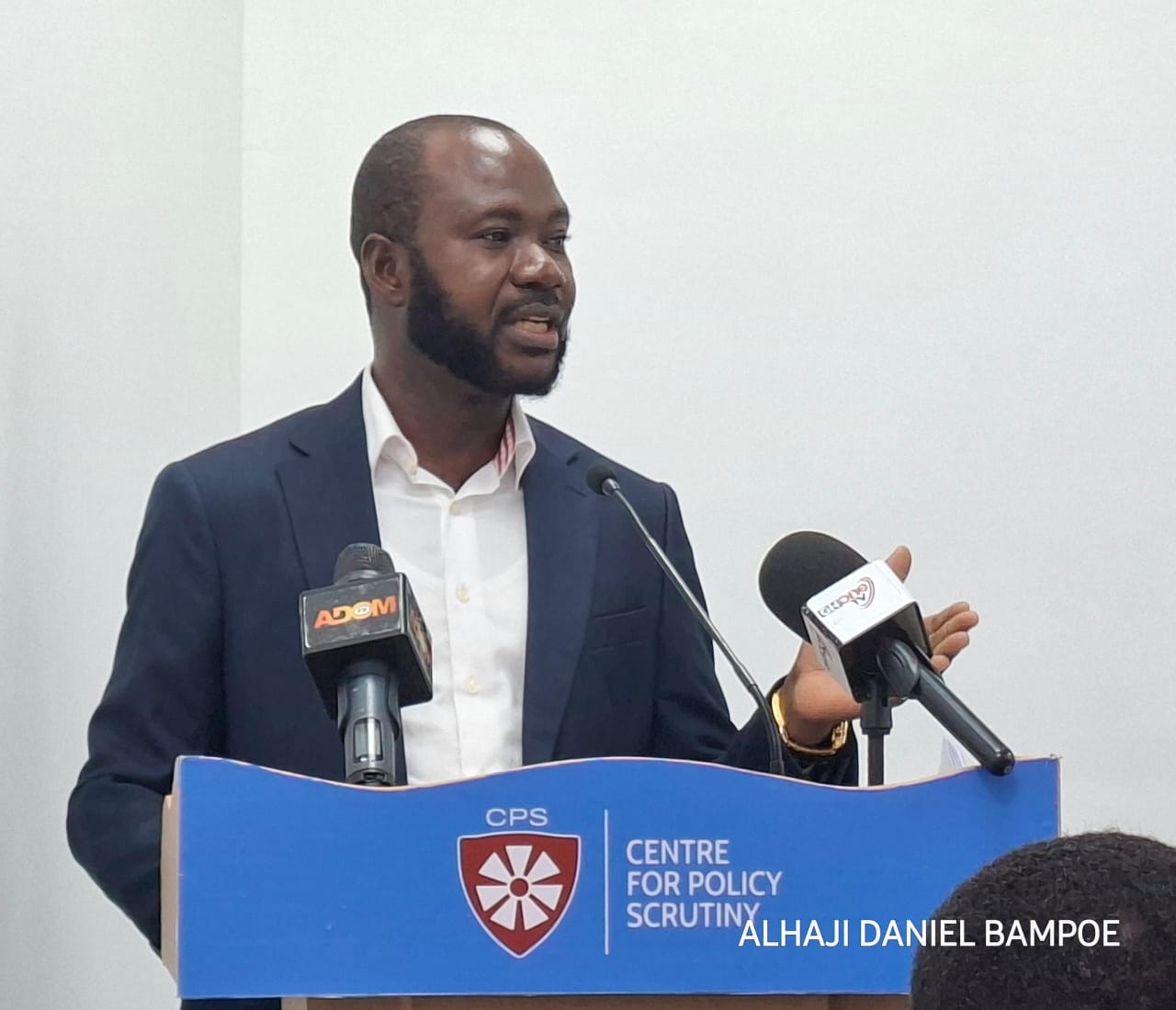
Speaking at a press engagement in Accra, TUC Secretary-General Joshua Ansah identified low pay as one of the most immediate challenges facing workers and their families.
According to him, wages earned by many workers are increasingly coming under pressure as the cost of essential goods and services continues to rise.
“Low pay is one of the most urgent concerns confronting workers,” Ansah said.
He explained that households are having to contend with increasing expenditure on food, rent, transportation, utilities, education and healthcare, leaving many workers struggling to maintain a decent standard of living despite being employed.
Pension Inadequacy
The labour union body also raised concerns about the adequacy of pension benefits, particularly for retirees who rely almost entirely on their pensions to meet their basic needs.
Ansah argued that the fundamental purpose of a pension system should be to preserve dignity and financial security in old age, but said many retirees receive benefits that are insufficient to cover essential expenses.
“A pension should protect dignity in old age. Yet, many retirees receive benefits that are too low to meet basic needs, particularly medical care,” he said.
The TUC Secretary-General said rising living costs were gradually eroding the purchasing power of pension benefits, making it increasingly difficult for retirees to meet expenses after leaving active employment.
He also expressed concern about pension coverage and growth among workers in Ghana’s informal economy, where many workers remain inadequately protected by existing social security arrangements.
The Congress believes these issues require broader reforms to ensure that retirement protection keeps pace with economic realities.
Concern Over ‘Short-Term’ Contracts
Another major concern raised by the TUC is the growing use of employment arrangements under which workers perform permanent and essential functions but are engaged on what the union describes as “so-called short-term contracts.”
Ansah said some workers are recruited through labour contractors or similar arrangements despite performing duties that are essential and continuous within their workplaces.
According to him, such arrangements can leave workers without the same level of job security, social security protection and other rights enjoyed by directly employed colleagues.
He said some affected workers may also be denied the opportunity to join or participate fully in trade unions.
“The law should look at the reality of their employment relationship, not merely the level placed on their contract,” he stressed.
The TUC’s position is that the substance of an employment relationship should matter more than the label attached to a contract when determining the rights and protections owed to a worker.
Calls for Overhaul of Labour Act
Against this background, the TUC is advocating a comprehensive review of the Labour Act, 2003 (Act 651).
The Congress argues that Ghana’s labour market has changed significantly and that legislation introduced more than two decades ago must be reassessed to determine whether it adequately addresses modern employment practices.
Ansah said a modern labour law should provide stronger protection for workers while expanding social protection and responding to emerging forms of employment.
At the same time, he said reforms should support the promotion of decent work and ensure that employers and workers operate within a clear and effective regulatory framework.
The TUC wants government and other relevant stakeholders to begin the review process rather than wait for existing challenges to become more deeply entrenched.