By Issah Olegor
The University of Ghana has revised its proposed accommodation fee increase for students in its University of Ghana Enterprise Limited (UGEL)-managed residential facilities, reducing the planned adjustment from 26 per cent to 15 per cent following consultations with student leaders.
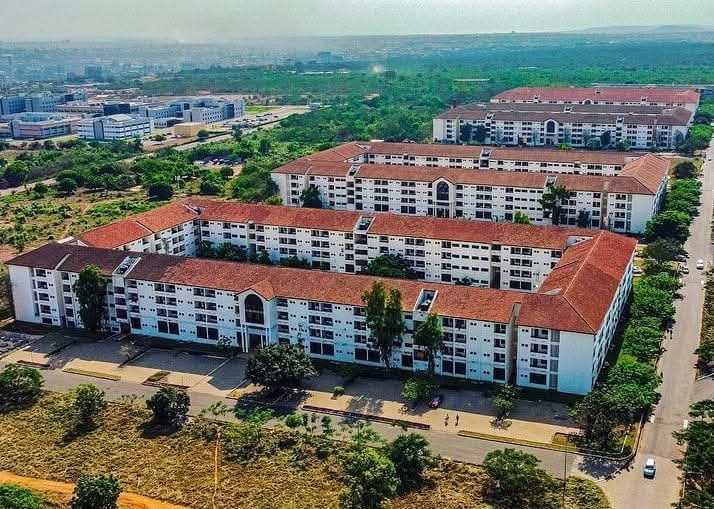
The decision means students occupying standard four-bed rooms in the four Diaspora halls will pay GH¢8,050 for the 2026/2027 academic year, representing an increase of GH¢1,050 from the previous annual rate of GH¢7,000.
The revised fees were announced in a statement issued on Thursday, November 19, 2026, and signed by the University’s Registrar, Michael Opare Atuah.
Management said the adjustment followed engagements with student representatives after concerns were raised over the proposed increase. The revised rate, according to the University, is intended to strike a balance between addressing students’ financial concerns and ensuring the continued operation of the accommodation facilities.
The reduction from the initially proposed 26 per cent increase to 15 per cent represents a concession by the University following the consultations, although students will still have to pay more for accommodation during the next academic year.
Explaining the basis for the charges, the University said UGEL-managed residential facilities operate under a different financial arrangement from traditional university halls.
According to management, several of the facilities were constructed through commercial loans secured to expand accommodation capacity at a time when public funding was insufficient to meet the demand for student housing.
The University explained that the fees charged to residents must therefore account for loan repayment obligations, utility bills, maintenance and other operational expenses associated with managing the facilities.
It maintained that the accommodation charges are necessary to keep the residential facilities financially sustainable and ensure that they remain available to students.
“The University does not exist to profit from its students,” the statement said.
Management further assured students that it remained committed to ensuring accommodation fees “remain as affordable as possible and do not place undue financial burden on students.”
However, the University cautioned that keeping the facilities operational requires sufficient revenue to meet their financial obligations. It warned that allowing the residential halls to accumulate unsustainable debts or eventually face closure could undermine efforts to provide students with safe and convenient accommodation on campus.
The statement stressed that such an outcome “would ultimately deprive thousands of students of access to safe, convenient and affordable campus accommodation.”