
BY Nadia Ntiamoah
The Minority on Parliament’s Roads and Transport Committee has vowed to resist any attempt by government to downgrade the Suame Interchange project in Kumasi, warning that altering the original design would undermine both value for money and the long-term infrastructure needs of the Ashanti Region.
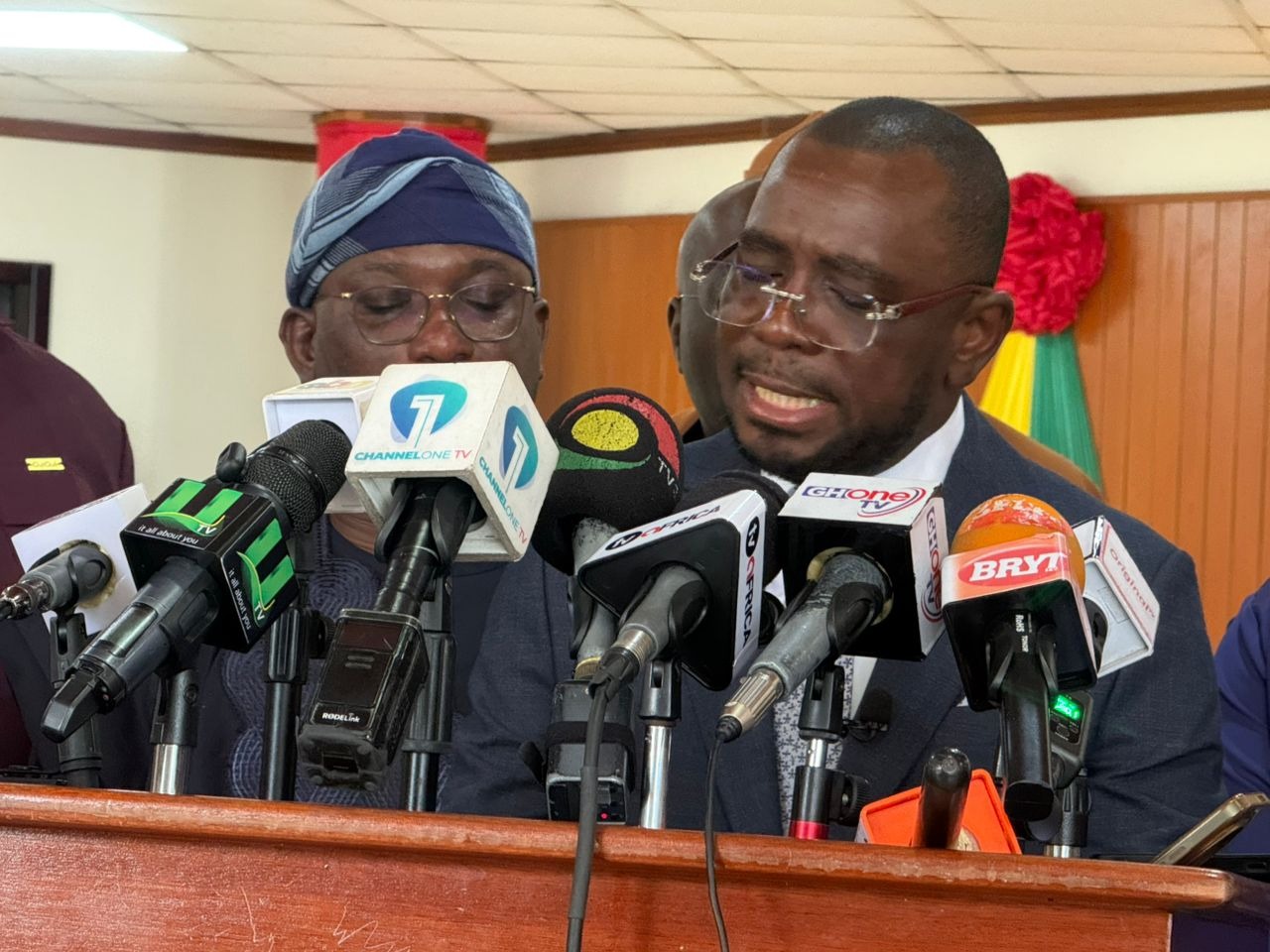
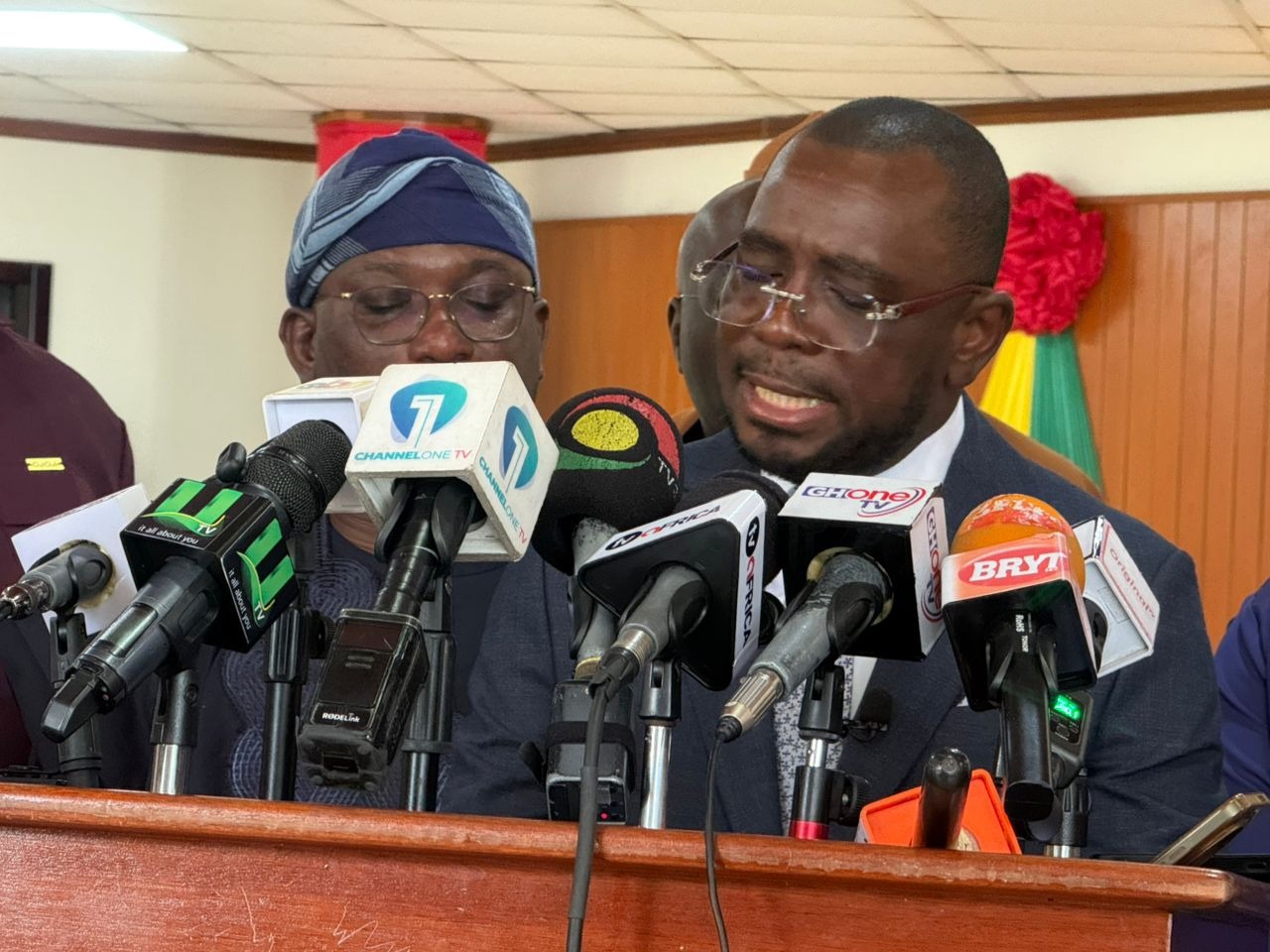
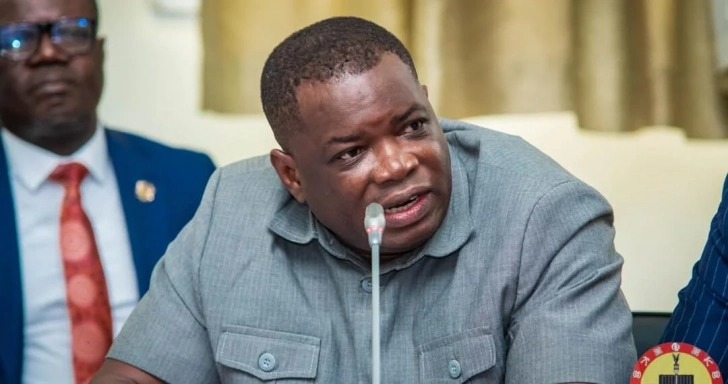
Addressing a press conference ahead of Parliament’s recess, Ranking Member of the Committee, Kennedy Nyarko Osei, described the reported move to scale down the interchange from a four-tier design as deeply troubling, particularly given that Parliament had already approved financing based on the original structure.
According to the Minority, the Suame Interchange is not just another road project but a critical economic infrastructure serving the Suame Magazine enclave—one of West Africa’s largest artisanal and industrial hubs known for vehicle repairs, metal fabrication, and spare parts trade.
They argue that any reduction in scope risks worsening congestion and limiting the long-term efficiency of the project.
The Caucus questioned the justification being advanced for the downgrade, especially claims of funding constraints, noting that in 2022, Parliament approved a financing package of €156.4 million and $47 million from Deutsche Bank and Afreximbank specifically for the four-tier interchange and its ancillary works.
“If financing was secured and approved for a four-tier design, why then should the project be reduced?” the Minority queried, insisting that any such move must be fully explained to Ghanaians.
The strong stance on the Suame Interchange formed part of a broader assessment of the road and transport sector by the Minority, who say the sector is facing increasing challenges 15 months into the current administration.
They raised concerns about what they describe as declining transparency, weak fiscal commitment, and the abandonment of critical infrastructure projects across the country.
One of the key issues highlighted was the government’s flagship “Big Push” programme, estimated to cost about GH¢50 billion.
While acknowledging the potential of the initiative to improve connectivity, the Minority criticized the lack of transparency surrounding the award of the first 50 projects, demanding full disclosure of contractors, project scope, and cost per kilometre.
The Caucus argued that without such information, it is impossible for the public to assess whether the projects meet established cost benchmarks within the road construction sector.
Beyond new projects, the Minority pointed to the widespread abandonment of ongoing road works inherited from the previous administration.
According to them, over 1,000 projects across all regions have stalled, with more than 80 percent of contractors off-site due to unpaid arrears.
They cited examples along the Accra–Kumasi highway corridor, where key bypasses at Osino, Anyinam, Enyiresi, and Konongo—some nearing completion—have been left idle, resulting in economic inefficiencies and delayed benefits to communities.
In the railway sector, the Minority expressed concern over what it described as a sharp decline in government commitment, despite over $1.1 billion invested between 2017 and 2024. Projects such as the Tema–Mpakadan and Kojokrom–Manso railway lines, both near completion, remain non-operational, while complementary infrastructure has also been abandoned.
The Committee further highlighted a deepening financing crisis within the road sector, estimating arrears owed to contractors at about GH¢20 billion. With only a fraction of allocated funds released, many contractors have been unable to continue work, leading to widespread demobilization.
On the proposed Accra–Kumasi Expressway, the Minority raised questions about the absence of cost details and budgetary allocation, warning that compensation and resettlement costs could significantly inflate the overall project cost.
They also criticized delays in reintroducing road tolls and the failure to implement the National Roads Authority Act, 2024, which was intended to streamline management of the sector.
In the aviation sector, concerns were raised over the lack of funding for key projects, including the proposed development of Ho Airport and critical upgrades at Prempeh I and Tamale International Airports.
The Minority warned that failure to complete follow-up phases of these projects risks rendering previous investments underutilized.
They also called for a resolution of the dispute between the Ghana Airports Company Limited and McDan Aviation, stressing the need to protect indigenous investment and maintain investor confidence.
Additionally, the Caucus cautioned against any attempt to halt or alter the ongoing refurbishment of Terminal 2 at Kotoka International Airport, warning that such actions could expose the state to costly legal disputes.
In the maritime sector, the Minority noted that despite the passage of the Ghana Shippers’ Authority Act, its regulatory framework has not been implemented, allowing shipping lines to continue imposing high charges on businesses.
Concluding the briefing, the Minority emphasized that its concerns are rooted in national interest rather than politics, stressing the need for transparency, accountability, and continuity in infrastructure development.
However, they made it clear that on the issue of the Suame Interchange, their position is firm.
“We will oppose every attempt to downgrade the four-tier interchange. Public infrastructure must be delivered to maximize long-term benefit, not reduced in scope without justification,” the Caucus stated, signaling a potential political showdown over the future of one of Kumasi’s most critical road projects.


