By Issah Olegor
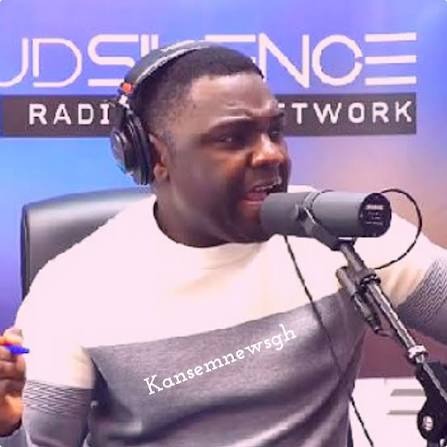
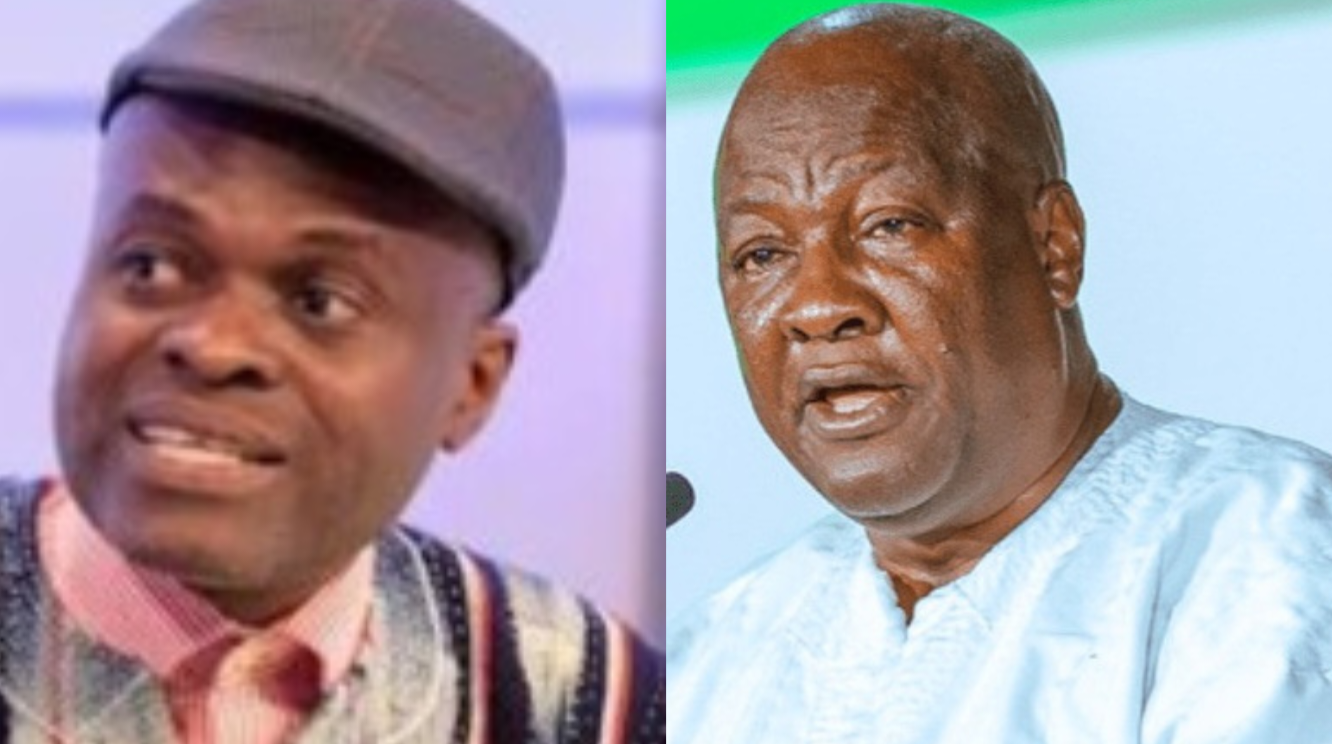
Private legal practitioner and NDC affiliate, Martin Kpebu has launched a strong criticism of the John Mahama administration over the arrest and prosecution of social media commentators, particularly TikTok content creators, accusing the government of applying a double standard in its approach to free speech.
Kpebu argues that the increasing number of people being arrested or detained over comments made on social media represents a worrying development for the country’s democratic credentials.
According to him, the situation has become particularly troubling because, while ordinary citizens and political activists are being pursued over their utterances, influential commentators who have made equally strong or more controversial remarks against political opponents appear to enjoy a different level of treatment.
His criticism has placed the government’s approach to online speech at the centre of a growing national debate over the limits of free expression, political criticism and the circumstances under which statements made on social media should attract criminal sanctions.
Martin Kpebu reportedly made the comparison while discussing the growing number of arrests involving TikTokers and other social media personalities during the Mahama administration.
He claimed that within approximately one and a half years of the current government, more people had been detained over their utterances than during the entire eight-year administration of former President Nana Addo Dankwa Akufo-Addo.
He described the development as a “bad record” for the government and argued that repeated arrests over political commentary could create the impression of increasing political intolerance.
For Martin Kpebu, the issue is not whether citizens should be permitted to make threats, incite violence or commit genuine criminal offences online.
Rather, he questioned the growing reliance on arrest and detention in dealing with political criticism, insults and controversial commentary.
He therefore called on the Mahama administration to demonstrate greater tolerance towards dissenting voices and criticism, particularly in an era when social media has become one of the principal platforms through which citizens participate in political discourse.
The controversy has been intensified by a series of cases involving pro-NPP social media personalities.
Among those cited in the debate is TikTok personality Camila Alhassan, who was arrested and subsequently convicted over alleged offensive conduct and derogatory remarks directed at President Mahama and the First Lady.
She received a one-year prison sentence.
Another case involved Mahama Aminat, popularly known as “Bawumia Ba.” She was initially arrested in May 2026 and later re-arrested by the Ghana Police Service in July over allegations relating to threatening the First Family through TikTok content.
Rita Konadu, popularly known as “Mama One,” was also apprehended in Juaben by the Police’s Cyber Vetting and Enforcement Team over alleged defamatory online publications concerning the presidency.
More recently, TikTok creators Fante Comedy and AY, alongside social media activist Sir-Obama Pokuase, were detained in connection with a viral video.
Their detention triggered condemnation from sections of the NPP, particularly its Youth Wing, which demanded their release.
The arrests have become part of a wider political argument over whether the democratic space is becoming less tolerant of political speech.
The NPP has accused the government of using state institutions to intimidate opposition voices and has repeatedly raised concerns about what it describes as selective enforcement of the law.
The issue culminated in the party’s “Democracy Under Attack” demonstration on August 6, 2026, during which thousands of NPP supporters and party officials marched and presented petitions to the Supreme Court and the Presidency.
The party accused the Mahama administration of arbitrary arrests, selective justice, intimidation of political opponents and the criminalisation of political speech.
It also cited the arrest and prosecution of social media commentators as evidence of what it considers a broader erosion of democratic freedoms.
But Martin Kpebu’s criticism goes beyond the NPP’s partisan position. The private legal practitioner has questioned the principle behind arresting citizens for offensive political comments while allegedly extending state protection to controversial commentators whose own public statements have been highly critical of political opponents.
At the centre of his argument is US-based Ghanaian online activist Kevin Taylor.
Martin Kpebu reportedly questioned why, in his view, ordinary TikTokers could be arrested over statements against the government while Taylor allegedly receives National Security protection whenever he visits Ghana. Kelvin Taylor is believed to be in Ghana now and alleges lodges at the official residence of the Vice President in Cantonments.
Kpebu argued that Taylor had made extremely harsh statements about former President Akufo-Addo and members of the NPP but had not faced the same treatment that some local social media commentators have encountered.
Martin Kpebu’s argument is essentially that the law should not be applied differently depending on whether an individual is politically sympathetic to the government or the opposition.
He further illustrated his position by referring to his own past comments about former President Akufo-Addo, saying that he had personally used an insulting expression against the former president without being arrested.
The Mahama administration, however, has previously defended stronger action against harmful online content, particularly where such content involves threats, incitement, hate speech or material capable of disturbing public peace.
President Mahama has warned that security agencies have the ability to trace individuals behind social media accounts through digital footprints and IP addresses. He has maintained that people who use social media to incite violence or threaten public order should be prepared to face the consequences of their actions.
The President has also publicly criticised what he describes as the growing culture of insults on social media, arguing that the digital space has contributed to a decline in respect and civility in Ghanaian society.
That position has generated a counterargument from critics who say the government must distinguish between genuine threats to public safety and mere political criticism, however offensive such criticism may be.
The controversy is also occurring against the background of the NPP’s broader allegations of selective justice.
In its August 6 petition to President Mahama, the opposition party accused state institutions of targeting its members while allegedly failing to act with similar urgency when supporters of the governing National Democratic Congress are accused of making offensive or threatening statements.
The government and its supporters have, however, maintained that law enforcement agencies must investigate alleged offences irrespective of the political affiliation of those involved.
Against this backdrop, Martin Kpebu’s remarks have added another layer to the already heated debate.
His central challenge to the administration is straightforward: if the government believes offensive political speech should attract arrest and prosecution, then the same standard must apply to everyone.
That is where his reference to Kevin Taylor becomes particularly significant.
Kpebu’s criticism suggests that selective enforcement could undermine public confidence in the justice system even where individual arrests are legally justified.
Meanwhile, Kevin Taylor has reportedly responded to Kpebu’s comments with a warning directed at the lawyer, posting an African proverb and telling him to be prepared for a response when it becomes his turn to feature on Taylor’s media platform.