
BY Daniel Bampoe
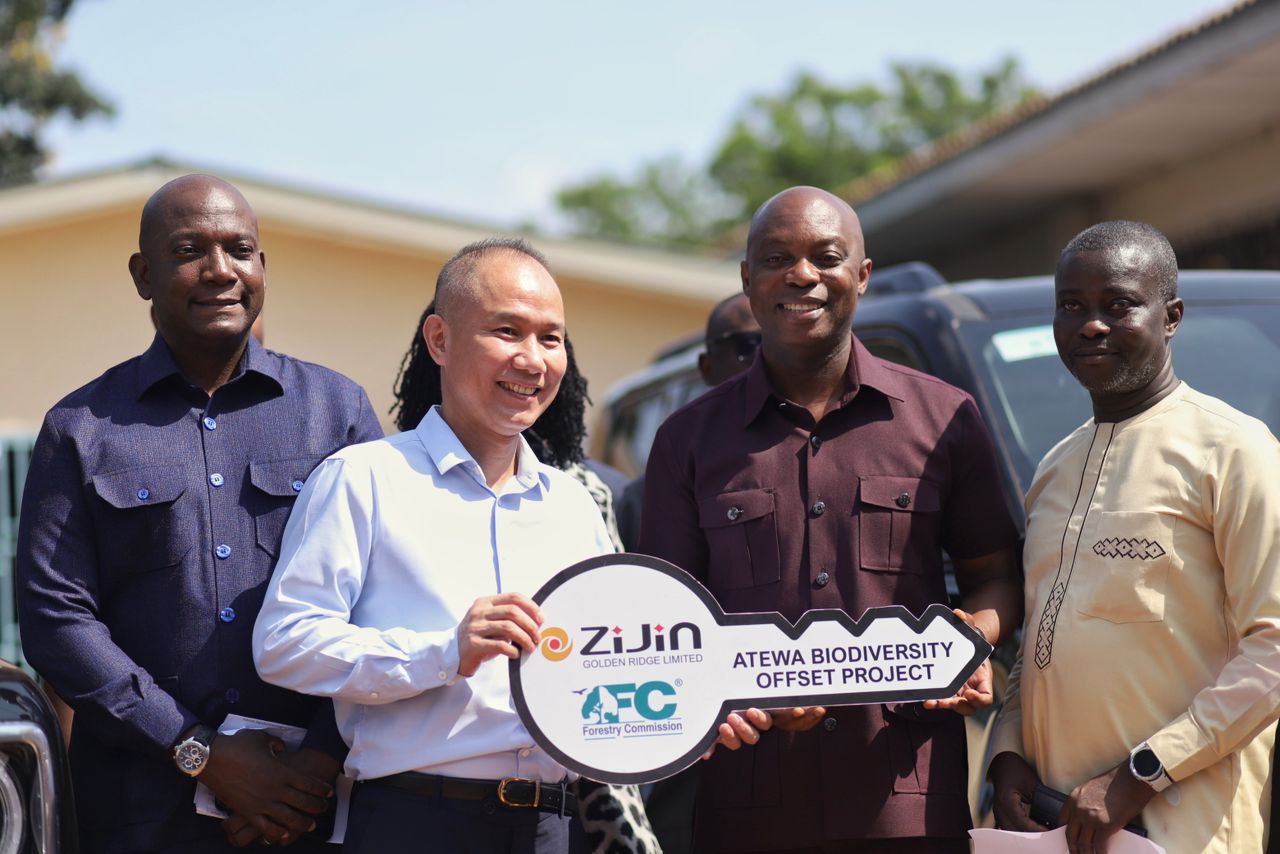
In a significant shift toward environmentally responsible mining, Zijin Golden Ridge Limited (ZGRL) has partnered with the Forestry Commission of Ghana to launch Ghana’s first large-scale, science-based biodiversity offset project aimed at balancing mining impacts with ecological restoration.
The initiative, known as the Atewa Biodiversity Offset Project, was officially unveiled in Accra on March 25, 2026, marking a major milestone in the country’s efforts to align natural resource extraction with environmental sustainability.
Designed as a 10-year conservation programme, the project seeks to achieve “No Net Loss” of biodiversity affected by mining operations at the Akyem Mine. It will focus on restoring and protecting the Atewa Range Forest Reserve, widely regarded as a Globally Significant Biodiversity Area.
The programme will combine forest protection, habitat restoration, enrichment planting, and livelihood support for surrounding communities, reflecting a holistic approach to conservation.
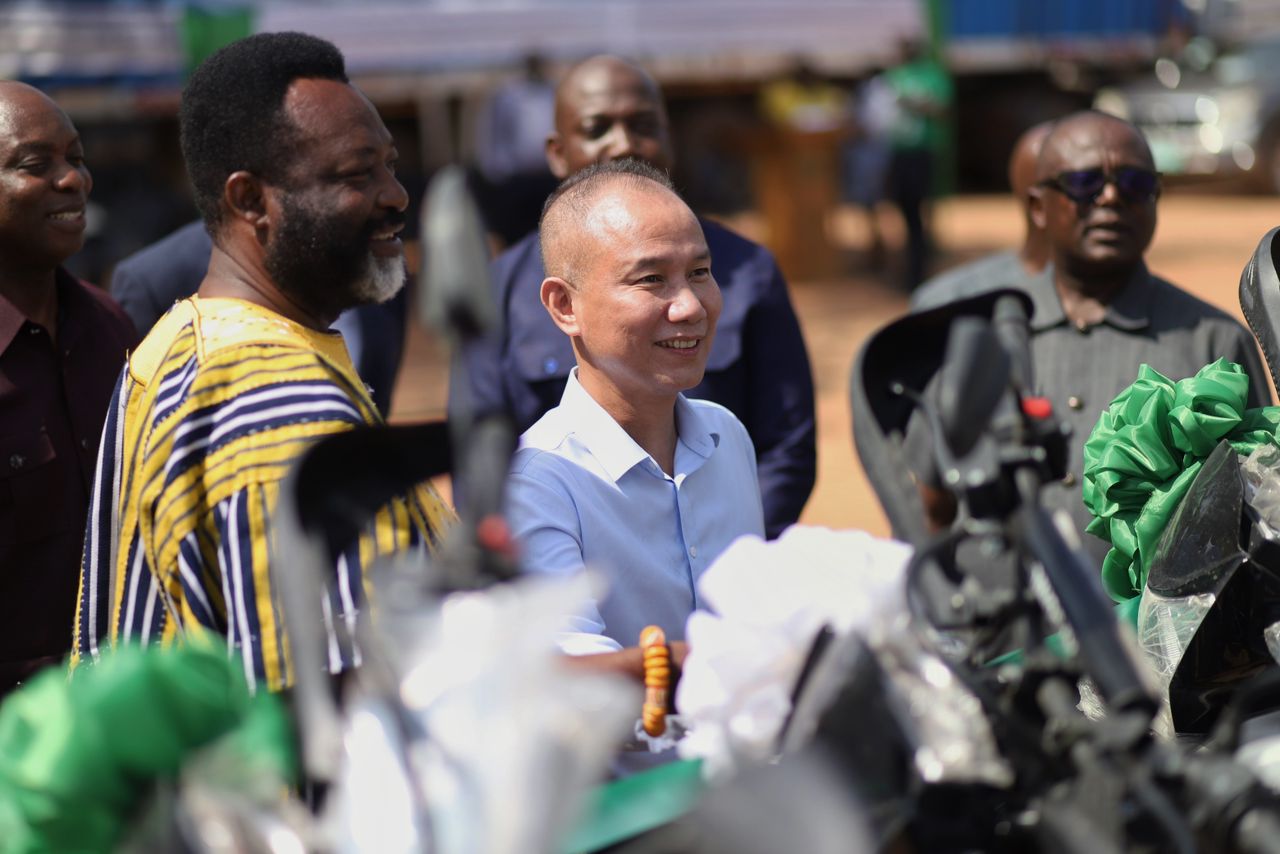
Speaking at the launch, ZGRL’s Vice President for Sustainability and External Relations, Jason Zhang, described the project as a demonstration of the company’s commitment to responsible mining.
“This initiative demonstrates our commitment to responsible mining and environmental stewardship… ensuring that biodiversity values impacted by mining are restored and protected for future generations,” he said.
The project comes at a time when the government is intensifying its focus on forest conservation as part of national development.
The Minister for Lands and Natural Resources, Emmanuel Armah-Kofi Buah, recently launched the second phase of Ghana’s Tree for Life Reforestation Initiative, under which over 30 million seedlings were planted in 2025, generating more than 41,000 jobs, with another 30 million targeted for 2026.
The Atewa initiative directly complements this broader agenda by linking conservation to economic opportunities and community development.
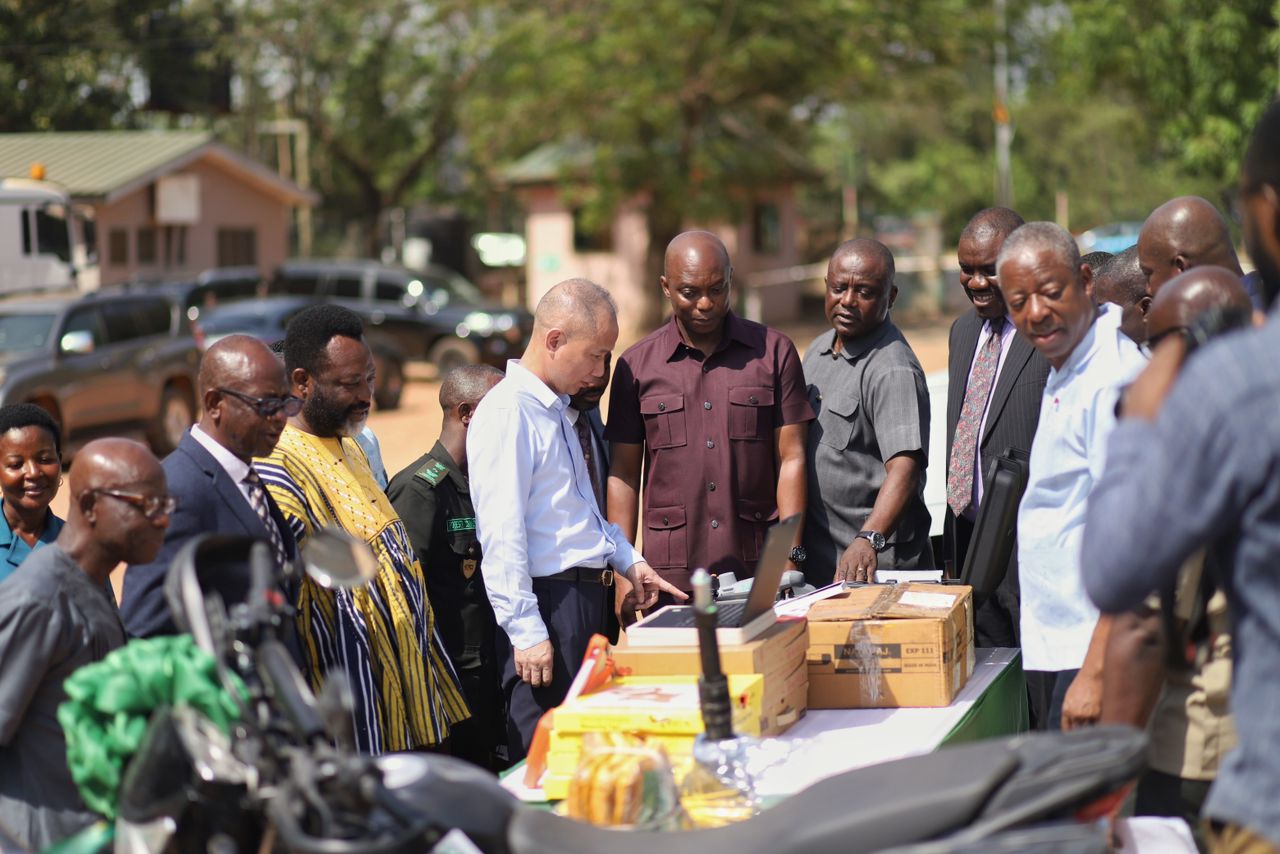
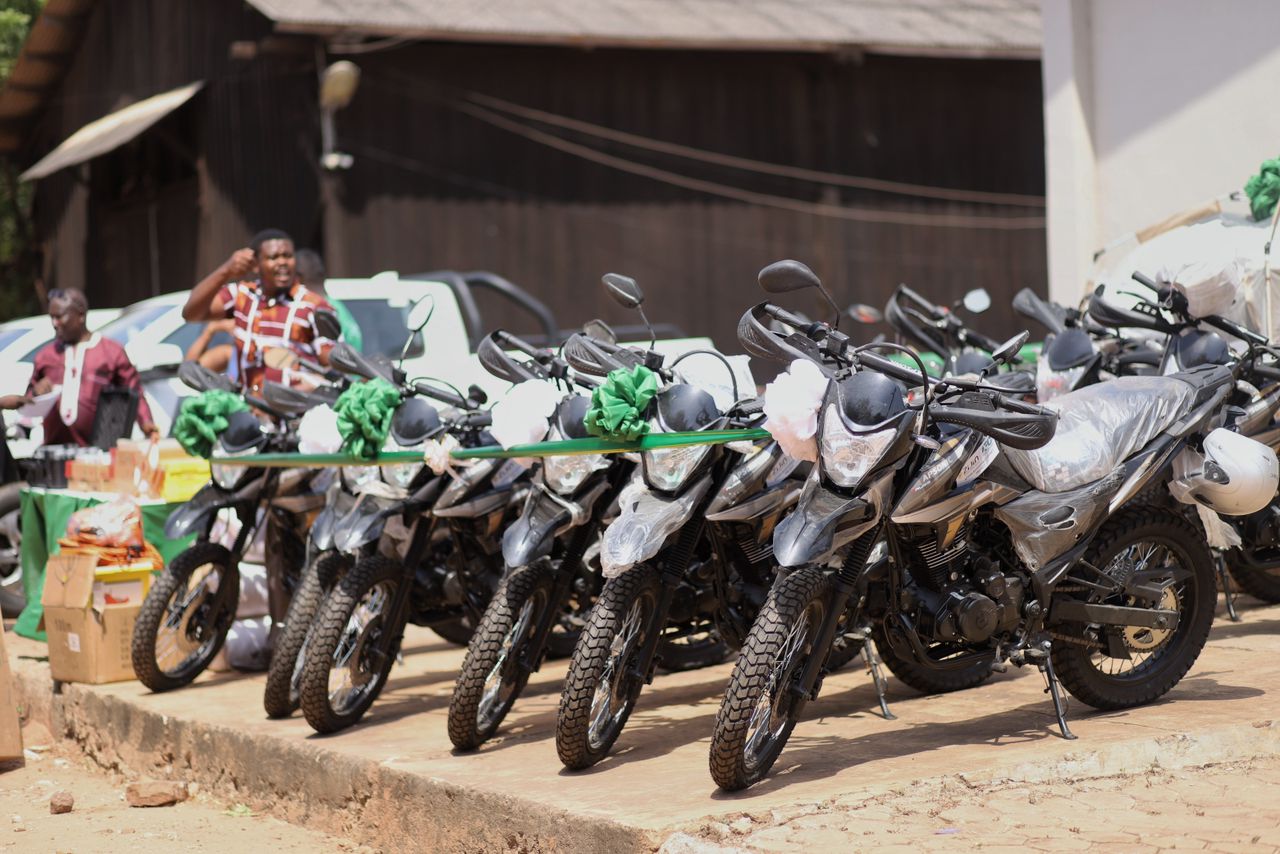
As part of the launch, ZGRL handed over logistics and operational equipment to the Forestry Commission to enhance monitoring and protection of the forest reserve.
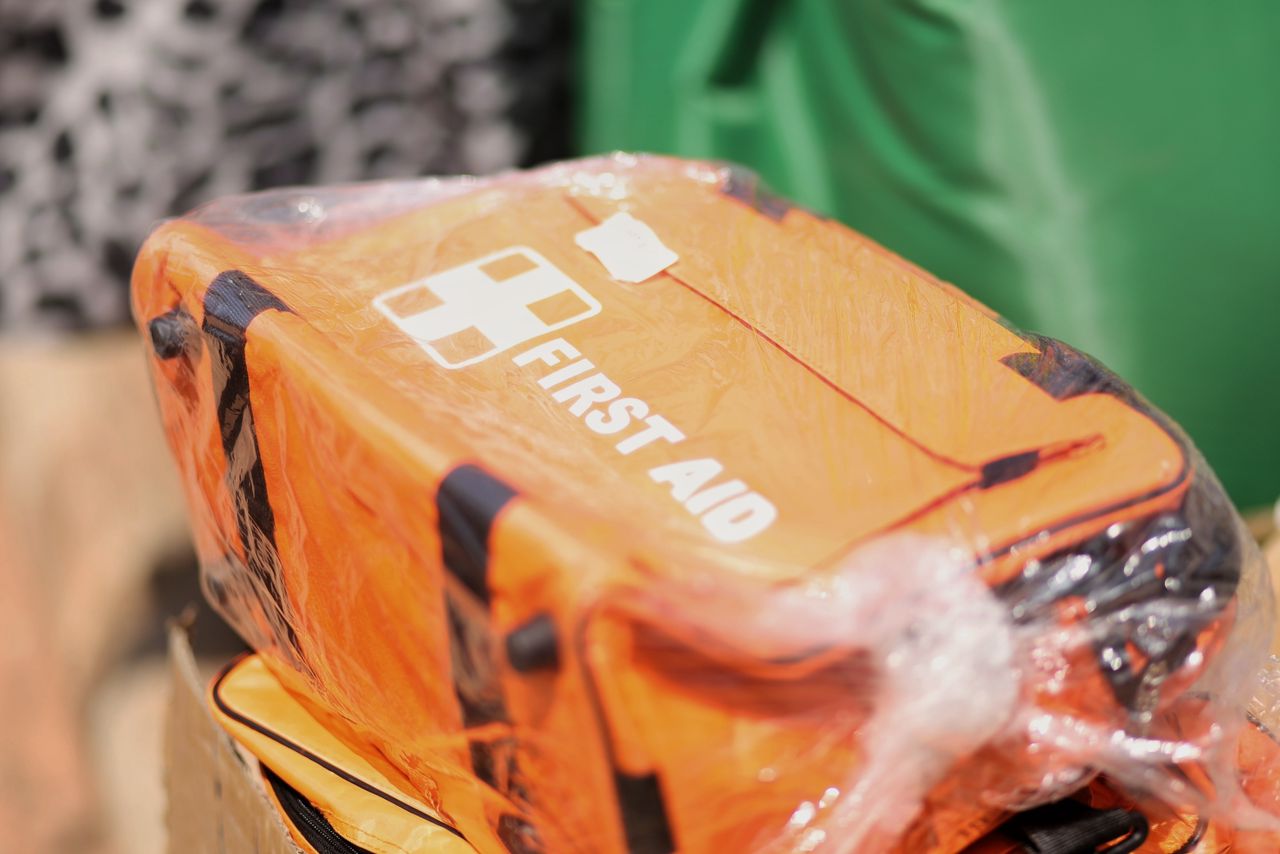
The support package included vehicles, drones, laptops, communication devices, and mobile audiovisual units to facilitate outreach in rural communities.

The biodiversity offset programme is specifically designed to address ecological impacts that go beyond standard reforestation, including habitat loss and the displacement of wildlife species. ZGRL noted that it has already exceeded its reforestation obligations by establishing 317 hectares of plantation forest, surpassing the required 303 hectares.
Over the 10-year period, the project aims to achieve 371 “Quality Hectares”—an internationally recognised metric used to measure biodiversity value. In 2026 alone, the programme will scale up significantly, targeting nearly 1,500 hectares for enrichment planting and 500 hectares for active restoration.
Local communities are expected to play a central role in implementation. More than 200 people have already been employed during pilot phases, which recorded an impressive 94.6 percent seedling survival rate. Additionally, over 44 communities around the Atewa Forest Reserve have been engaged during planning and feasibility stages.
The project, which commenced active implementation in 2025, is expected to run until at least 2035. It is being executed in collaboration with multiple partners, including the Resource Management Support Centre, Conservation Alliance, and international biodiversity experts such as Wychwood Biodiversity and The Biodiversity Consultancy.
Importantly, the initiative forms part of ZGRL’s regulatory obligations under its Environmental Permit and Forest Entry Permit and aligns with the International Finance Corporation’s Performance Standard 6 on Biodiversity Conservation.


