
By Grace Zigah
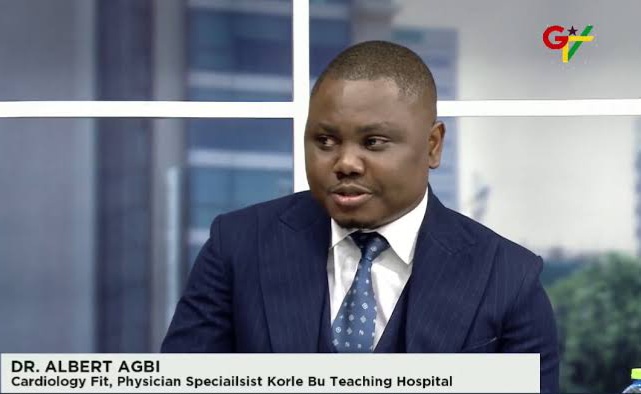
A Cardiologist Fellow at the Korle Bu Teaching Hospital, Dr Albert Agbi, has raised concern over the growing prevalence of hypertension in Ghana, warning that millions of adults could be living with high blood pressure without knowing it because the condition often develops without noticeable symptoms.
Dr Agbi is consequently urging Ghanaians to make regular medical examinations and blood pressure checks a priority, saying early detection could help prevent potentially life-threatening complications associated with uncontrolled hypertension.
Speaking on The Healthy Living Project on the Citi Breakfast Show, Dr Agbi cited research estimating Ghana’s hypertension prevalence at about 34 percent, meaning approximately three to four out of every 10 adults could be living with the condition.
The cardiologist said the scale of the problem is particularly worrying because many people do not experience obvious symptoms until hypertension has already caused serious damage to vital organs.
“There are many people who have been diagnosed with hypertension. Research puts the Ghana prevalence around 34 percent, which means that about three to four adults out of ten are hypertensive, and most of them don’t know because if you have hypertension, there are no symptoms; the first symptoms are the complications,” he said.
Hypertension is often described as a silent condition because a person can have persistently elevated blood pressure while feeling perfectly well.
Dr Agbi warned that the absence of headaches, dizziness or other noticeable symptoms should therefore not be interpreted as evidence that blood pressure is normal.
For many people, he said, the first clear indication that they have been living with hypertension may come only after a major health complication occurs.
This makes routine medical examinations particularly important, as blood pressure measurements can identify the condition before irreversible complications develop.
The cardiologist’s advice is aimed at encouraging people who rarely visit hospitals or health facilities because they feel healthy to reconsider that approach.
A person may feel fit and continue with normal daily activities while hypertension is silently affecting the cardiovascular system.
He said some men on hypertension medication are reluctant to continue treatment because they fear erectile dysfunction or other forms of sexual weakness.
“The people on medication, especially the men, say they would rather die than have erectile dysfunction,” he said.
According to Dr Agbi, this attitude can have devastating consequences when patients discontinue their medication without medical guidance.
He explained that some patients may stop taking their medication when they anticipate sexual activity because they fear experiencing weakness or erectile difficulties.
“Some of the medication can cause some weaknesses, and the men say sometimes if they have to perform, they don’t take the medication, and they come with a stroke after a week,” he said.
The warning underscores the importance of patients discussing perceived side effects with healthcare professionals instead of independently stopping prescribed treatment.
Dr Agbi’s call for regular medical examinations is rooted in the need to identify hypertension before complications occur.


