BY Issah Olegor
As Ghana edges closer to its next democratic transition in 2028, the national political conversation is taking on a strikingly different tone.
After decades of competitive yet often polarised politics, citizens across the country appear to be shifting their expectations of leadership.
The demand is no longer for fiery rhetoric or populist slogans, but for figures of calm temperament, cultural depth, and moral integrity.
For many Ghanaians, economic hardship, partisan hostility, and unfulfilled promises have left them yearning for leaders who embody humility and unity.
Across churches, mosques, marketplaces, and professional circles, the questions echo: Who can heal the nation? Who understands our values? Who has the competence to govern yet the humility to listen?
A Growing Disenchantment with Loud Politics
Since the return to multiparty democracy in 1992, the political culture has been dominated by high-stakes campaigning, divisive messaging, and strong personalities. While such approaches have often secured votes, they have also deepened mistrust and widened national fault lines.
The fatigue is visible. Citizens appear increasingly wary of politics as theatre and instead want leaders who can restore dignity and seriousness to public office.
This changing mood has brought into focus a different crop of political personalities—individuals not necessarily known for flamboyance or populism, but for modesty, steady competence, and cultural authenticity.
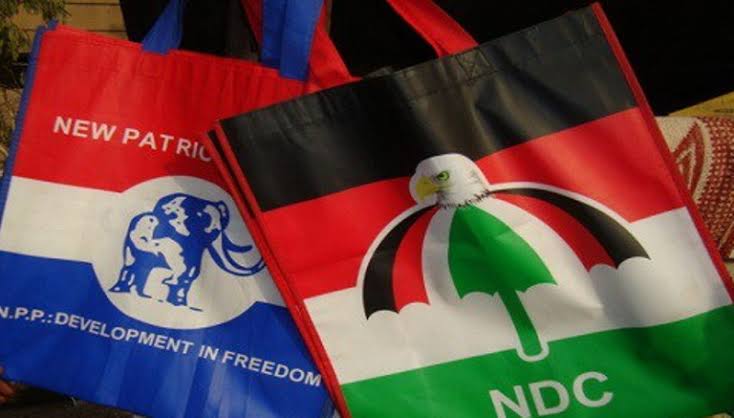
The NDC’s Emerging Contenders
Within the National Democratic Congress (NDC), two names stand out.
Professor Jane Naana Opoku-Agyemang, the current Vice-President and Ghana’s first female Vice-Presidential nominee of a major party, has long been admired for her intellectual depth and calm leadership style.
A former Minister for Education, she is widely respected for her commitment to equity and nation-building.
Her motherly aura and measured tone resonate strongly in a political climate where many Ghanaians yearn for nurturing and unifying leadership.
Also gaining traction is Akwasi Opong-Fosu, one of Ghana’s longest-serving District Chief Executives and a former Member of Parliament.
With ministerial experience in Local Government and Environment, Opong-Fosu is regarded as a technocrat who understands governance systems and institutional reform.
His quiet approach to politics, combined with deep experience in community-level development, positions him as a stabilising figure within the NDC.
The NPP’s Quiet Movers
On the opposition New Patriotic Party (NPP) side, two names have also emerged in quiet but significant ways.
Patrick Yaw Boamah, a lawyer and three-term MP for Okaikwei Central, has developed a reputation for discipline, legal rigour, and respect for institutional processes.
Unlike many of his contemporaries, he avoids political showmanship, choosing instead to let his credibility and parliamentary work speak for him. Analysts suggest his moderate tone and steady-handed style appeal to voters fatigued by confrontational politics.
Unfortunately, Patrick Boamah missed out in the NPP race as he did not pick form by the close of nominations.
Equally noteworthy is Dr. Yaw Osei Adutwum, a former Education Minister and respected educationist with international experience.
His reforms in the education sector and vision for human capital development have earned him recognition as a technocrat with a global outlook and cultural sensitivity.
Though soft-spoken, his clarity of purpose and focus on results have marked him out as a possible reformist leader for the future.