
BY Daniel Bampoe
The cocoa price crisis is no longer affecting only farmers; it is now tearing through the very middlemen who keep the cocoa trade functioning.
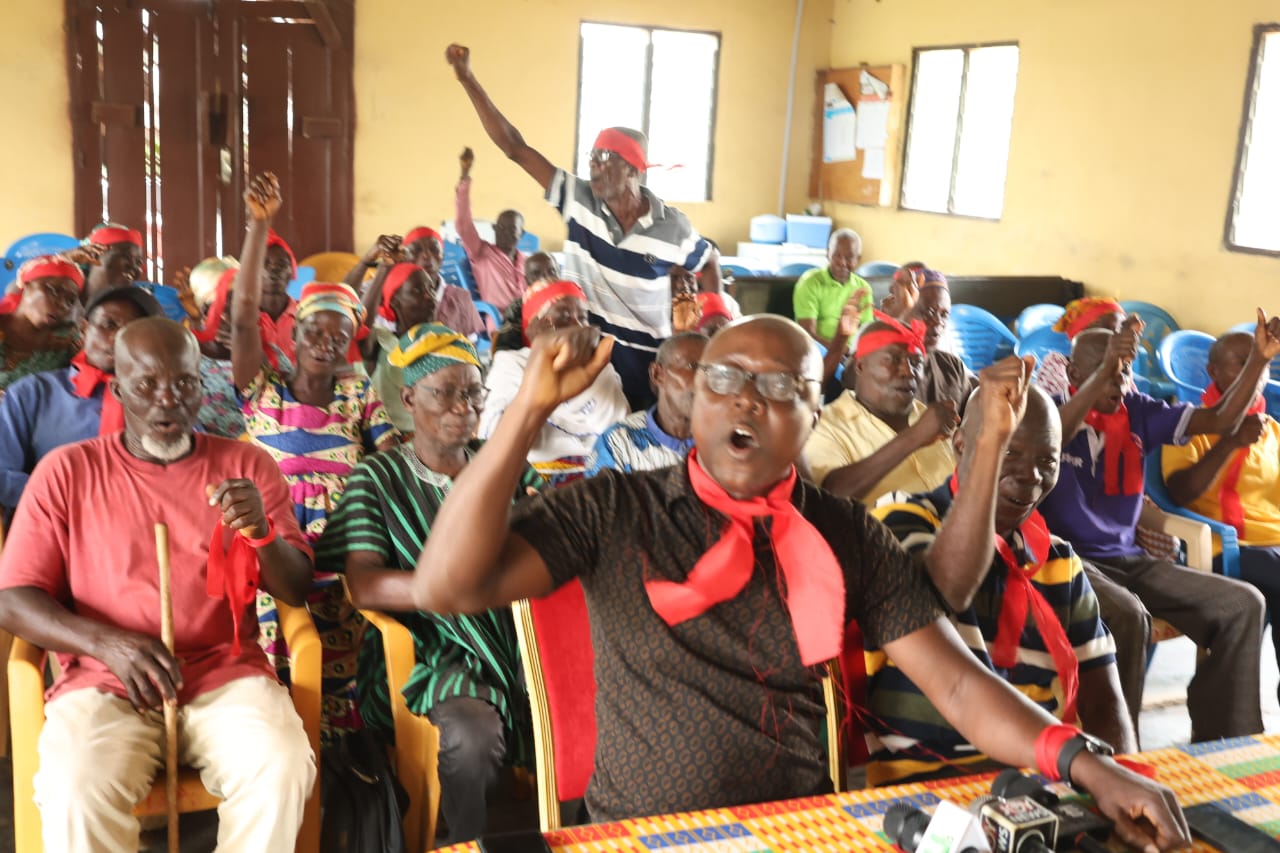
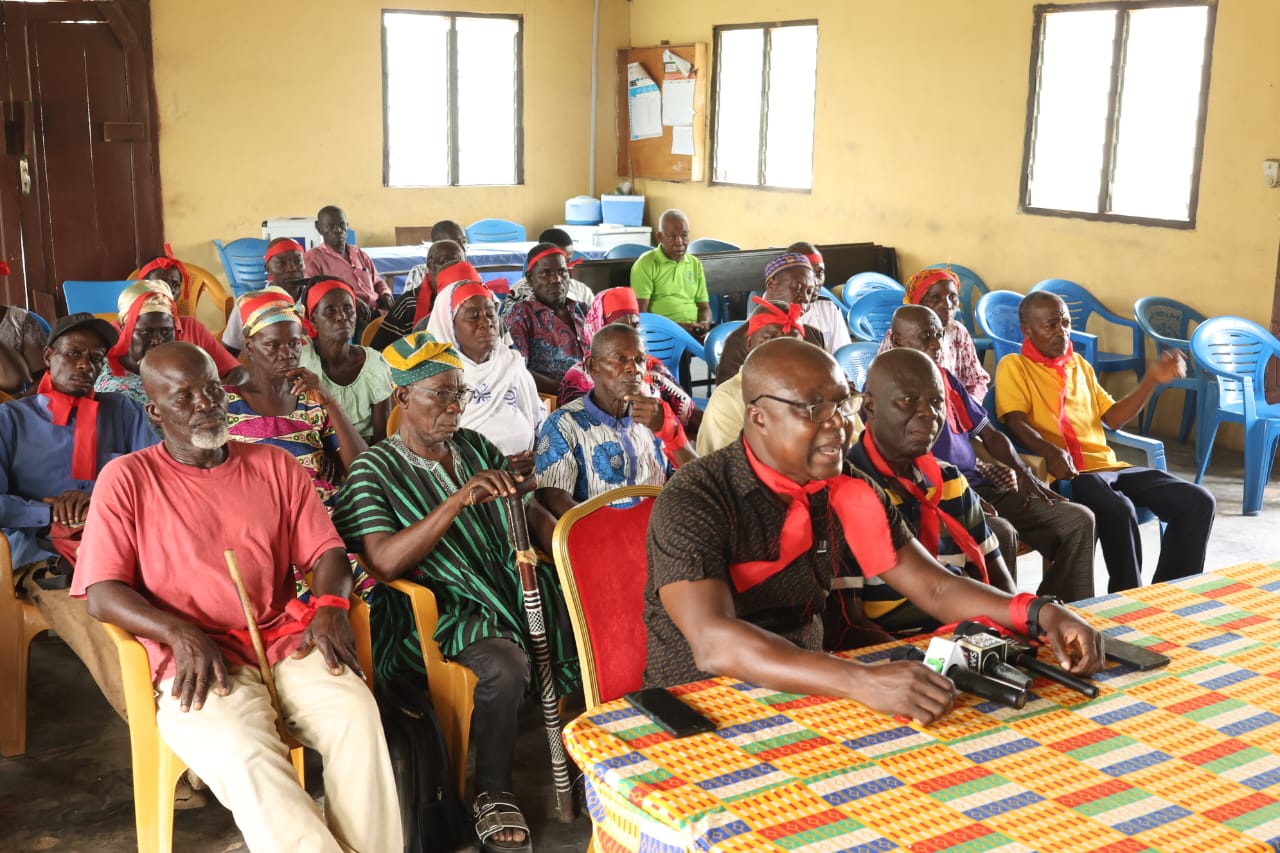
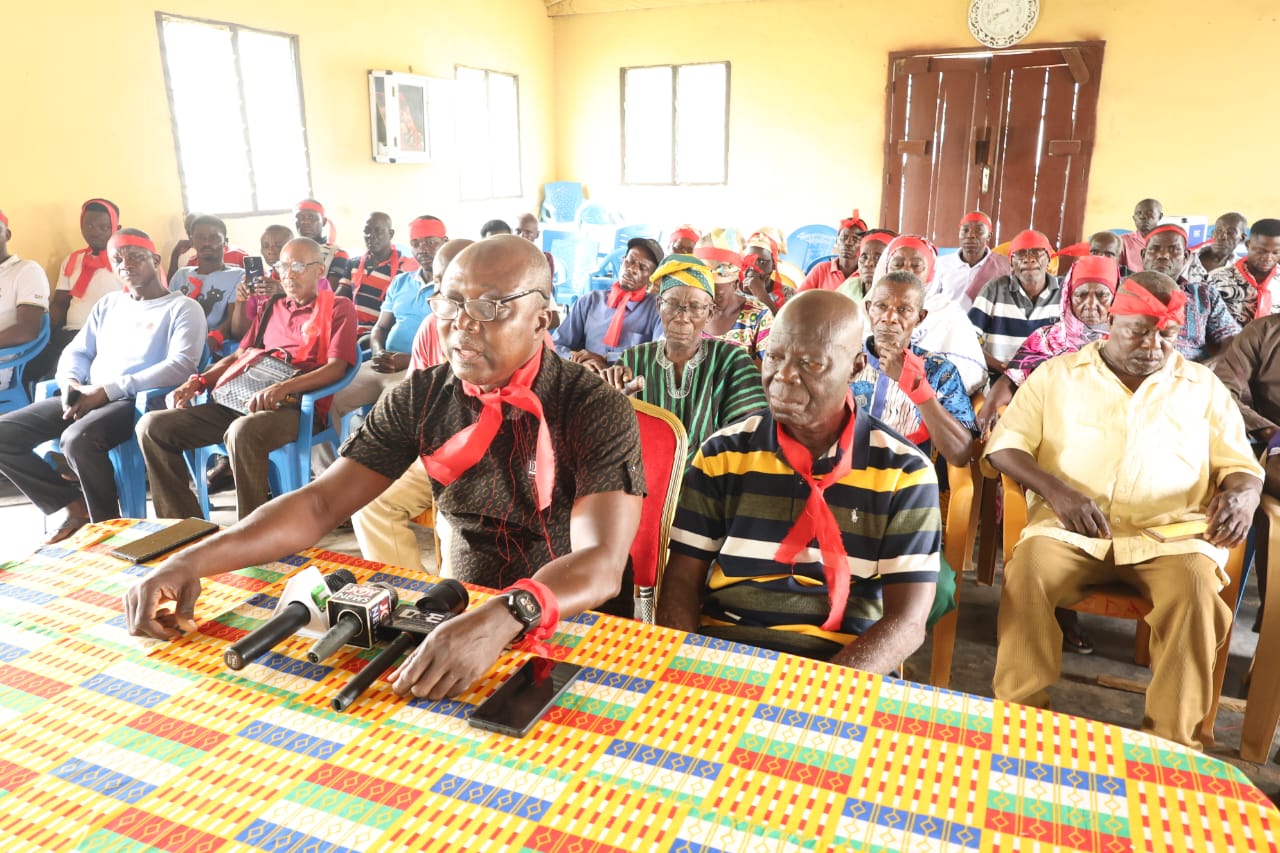
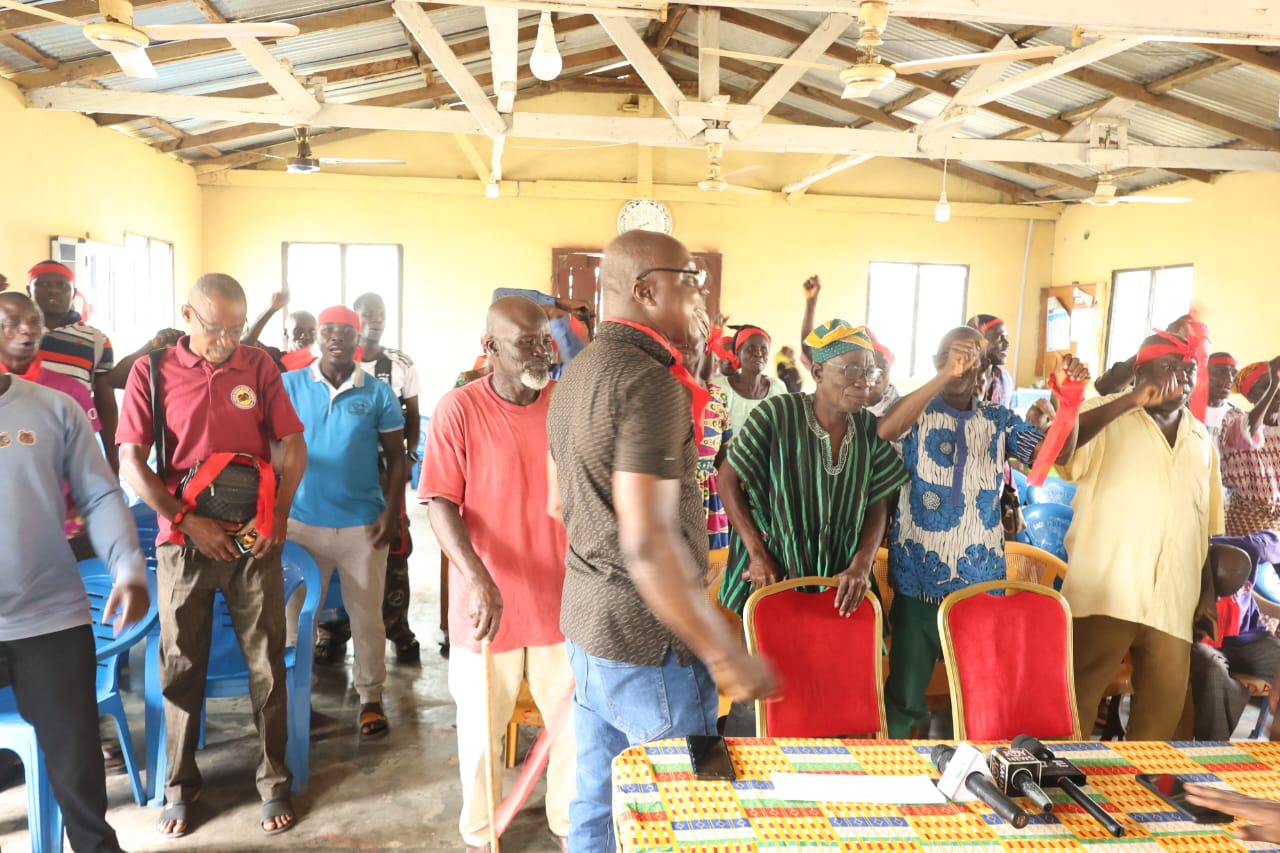
On Tuesday, cocoa purchasing clerks held a tense press conference at Asuokaw in the Lower West Akim Municipality, revealing how the government’s cocoa price reduction has plunged them into debt, conflict, and fear for their personal safety.
Speaking emotionally to the media, the clerks explained that their crisis began as far back as November, when funding delays made it difficult to raise capital to pay cocoa from farmers.
According to them, pressure from farmers has been relentless, even though government funds had not been released.
Some clerks admitted they could no longer stay in their homes due to threats and confrontations, as farmers demand payment for produce already sold.
The situation worsened dramatically with the reduction of the cocoa producer price from GH¢3,625 to GH¢2,587 per 64kg bag, a decision that clerks say has pushed them into financial chaos.
Many had already taken personal loans to meet farmers’ demands and purchase cocoa before the price cut. With the new pricing regime in place, they now face huge losses and no clear way to recover their money.
“We bought cocoa before the new price came,” one clerk explained.
“Some had already sent their cocoa to the depot. Now the price has changed, and the farmers want to be paid at the old rate. Every day there are confrontations. It has become confusion between us and the farmers.”
One clerk gave a specific example of the losses: a farmer who delivered about 45kg of cocoa reportedly lost the equivalent of several million old Ghana cedis in value due to the sudden price difference. “The difference is too much,” the clerk said.
“It doesn’t make sense. We are all suffering — the farmers and the purchasing clerks. None of us do any other business. This system has trapped all of us.”
The clerks described the situation as feeling like a “scam”, arguing that while official explanations are being given at policy level, the people on the ground — farmers and clerks — are the ones paying the price. They accused authorities of failing to communicate in advance, saying that if they had been informed earlier, they could have adjusted their purchasing plans and avoided heavy financial exposure.
At the same time, concerned cocoa farmers in the Eastern Region held their own press conference, reinforcing the scale of the crisis. In a formal statement to the media, they condemned the price cut, describing it as a devastating blow to their livelihoods.
“We are here to express our deep displeasure over the reduction in the cocoa producer price per 64kg bag from GH¢3,625 to GH¢2,587,” the farmers declared. “Cocoa farming is our main source of livelihood. It feeds our families, pays our children’s school fees, supports our health needs, and sustains our communities.”
They pointed out that the cocoa sector is regulated by the Ghana Cocoa Board, insisting that any pricing decision must protect producers, not impoverish them.
Instead, they say the price cut has come at a time when production costs are skyrocketing, including rising prices of fertiliser, agrochemicals, labour, transportation, and the general cost of living.
The farmers also recalled political promises made in the past, noting that while in opposition, the current government had pledged to increase the cocoa producer price to GH¢6,500 per bag.
That promise raised expectations and influenced many farmers’ support. Today, they say, the reality is the opposite: a drastic reduction instead of an improvement.


