BY Issah Olegor
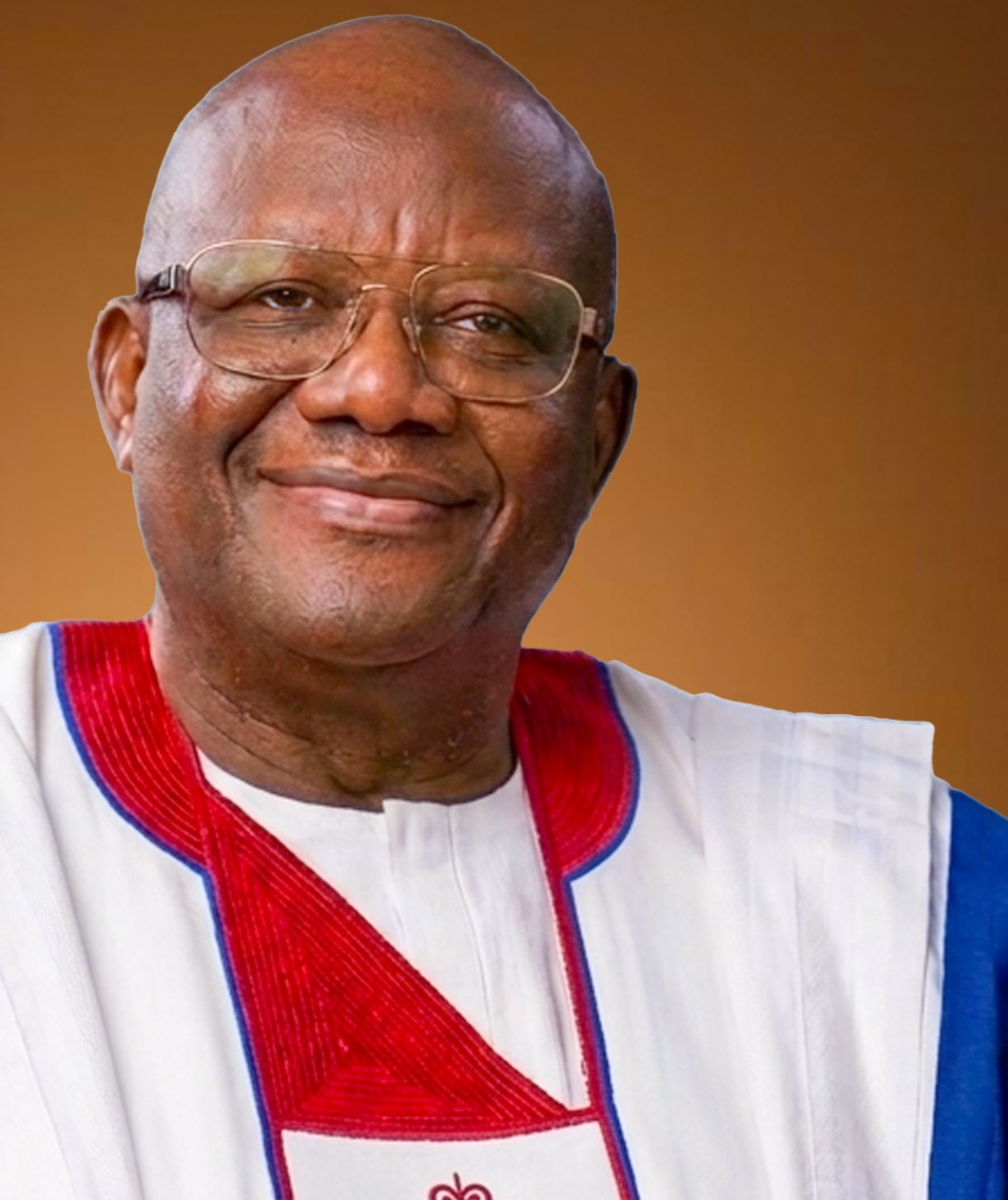
Former National Chairman of the New Patriotic Party, Paul Afoko, has resurfaced prominently within the party’s internal political conversations with a fresh call for unity, discipline and strategic rebuilding ahead of future elections.
Addressing members of the NPP Minority Caucus in Parliament during a closed-door engagement, Afoko urged the party’s lawmakers to take the lead in repositioning the NPP for political recovery following growing concerns over internal divisions and declining electoral fortunes.
The former chairman used the meeting to unveil what he described as the “3R Agenda” — a political strategy centred on “Reuniting, Rebuilding and Recapturing” power for the party.
According to him, the initiative is intended to serve as a roadmap for restoring internal cohesion, rebuilding grassroots confidence and preparing the NPP for a stronger return in future national elections.
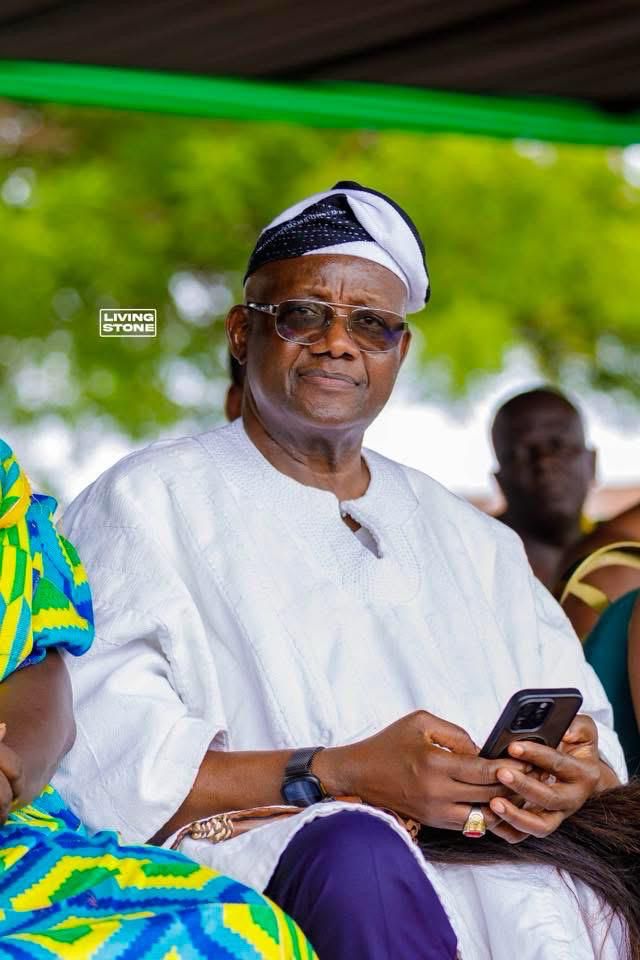
“For years I chose to work quietly behind the scenes, supporting the NPP in private,” Afoko stated. “But recent developments have compelled me to step forward. We need to get our party back into winning ways, and that starts with unity and purpose.”
His comments come at a time when the NPP continues to grapple with lingering internal tensions following the 2024 general elections and the party’s ongoing efforts to reorganise itself in opposition.
Political observers say Afoko’s renewed visibility is significant given his complicated history within the party and his role during one of the most turbulent periods in the NPP’s internal politics.
Paul Afoko served as National Chairman of the NPP after winning the party’s national executive elections in Tamale 2014 and subsequent suspension.
Despite years of relative political silence, Afoko now appears to be repositioning himself as a voice advocating reconciliation and institutional rebuilding within the opposition party.
During the engagement with Minority MPs, he stressed that lawmakers within the caucus must not only function as parliamentary representatives but also as symbols of unity capable of reconnecting the party with its grassroots base.
He warned that without deliberate efforts to restore trust and internal cohesion, the NPP’s ambition of returning to power could become increasingly difficult.
Drawing comparisons with earlier periods of party organisation, Afoko pointed to the NPP’s 2014 presidential primary as an example of what he described as disciplined and united internal democratic processes.
According to him, the party successfully managed internal competition at the time without fragmentation or independent breakaway candidacies.
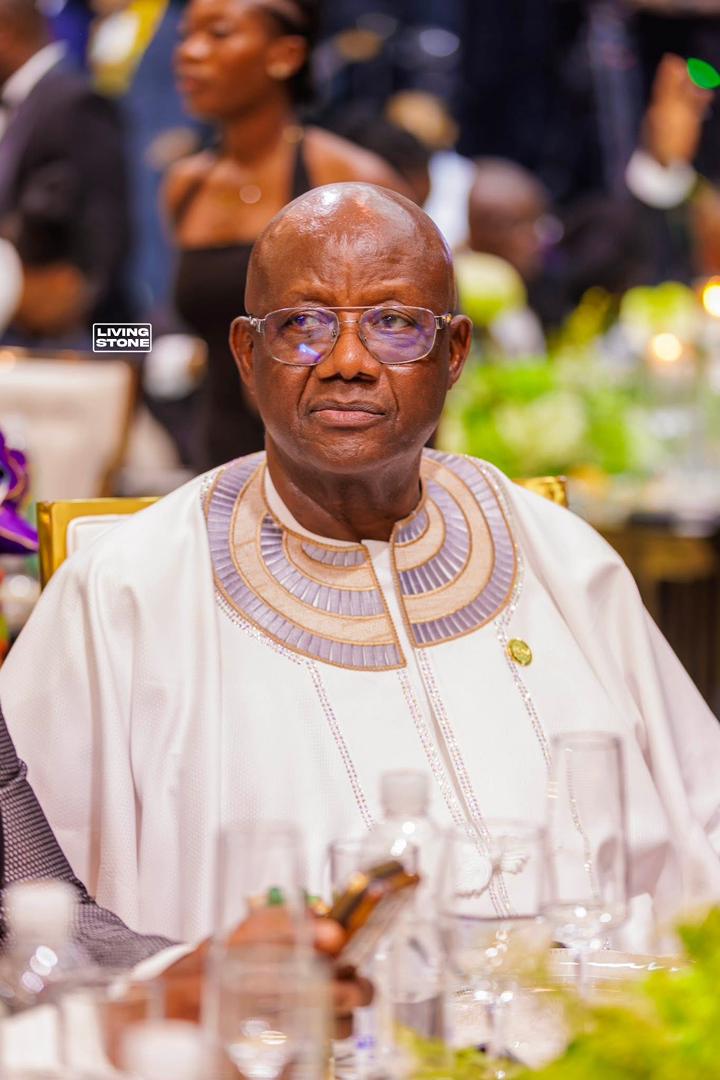
“We conducted primaries where every candidate accepted the outcome, and no one broke away to run independently,” he said.
He further referenced former National Organiser Sammy Awuku as one of the party officials who could attest to the organisational strength and internal trust that existed during that period.
Afoko also expressed concern about what he described as the gradual weakening of the party’s electoral base over the years, particularly during periods when the NPP was in government.
According to him, internal competition over appointments, influence and political positioning often created divisions that weakened party solidarity.
“Historically, even in opposition, the NPP has outperformed the NDC in vote percentages,” Afoko noted. “That tells us our base is strong, but it has weakened. The question now is: how do we win it back?”
He argued that the answer lies in fully implementing the proposed “3R Agenda.” Under the strategy: “Reunite” focuses on healing internal divisions and rebuilding trust among competing factions, “Rebuild” seeks to strengthen party structures from polling stations to the national executive level. “Recapture” aims at reconnecting with the grassroots and presenting a united and credible political alternative to Ghanaians.
Afoko appealed to party faithful to support the vision, insisting that his previous political experience demonstrates his capacity to contribute meaningfully to the rebuilding process.
“My record speaks for itself. I am result-oriented, and with the collective support of the party, we can achieve this,” he stated.
The former chairman also called on party members to move beyond personal rivalries, factional disputes and internal bitterness in order to focus on the broader objective of regaining public trust and political power.