By Grace Zigah
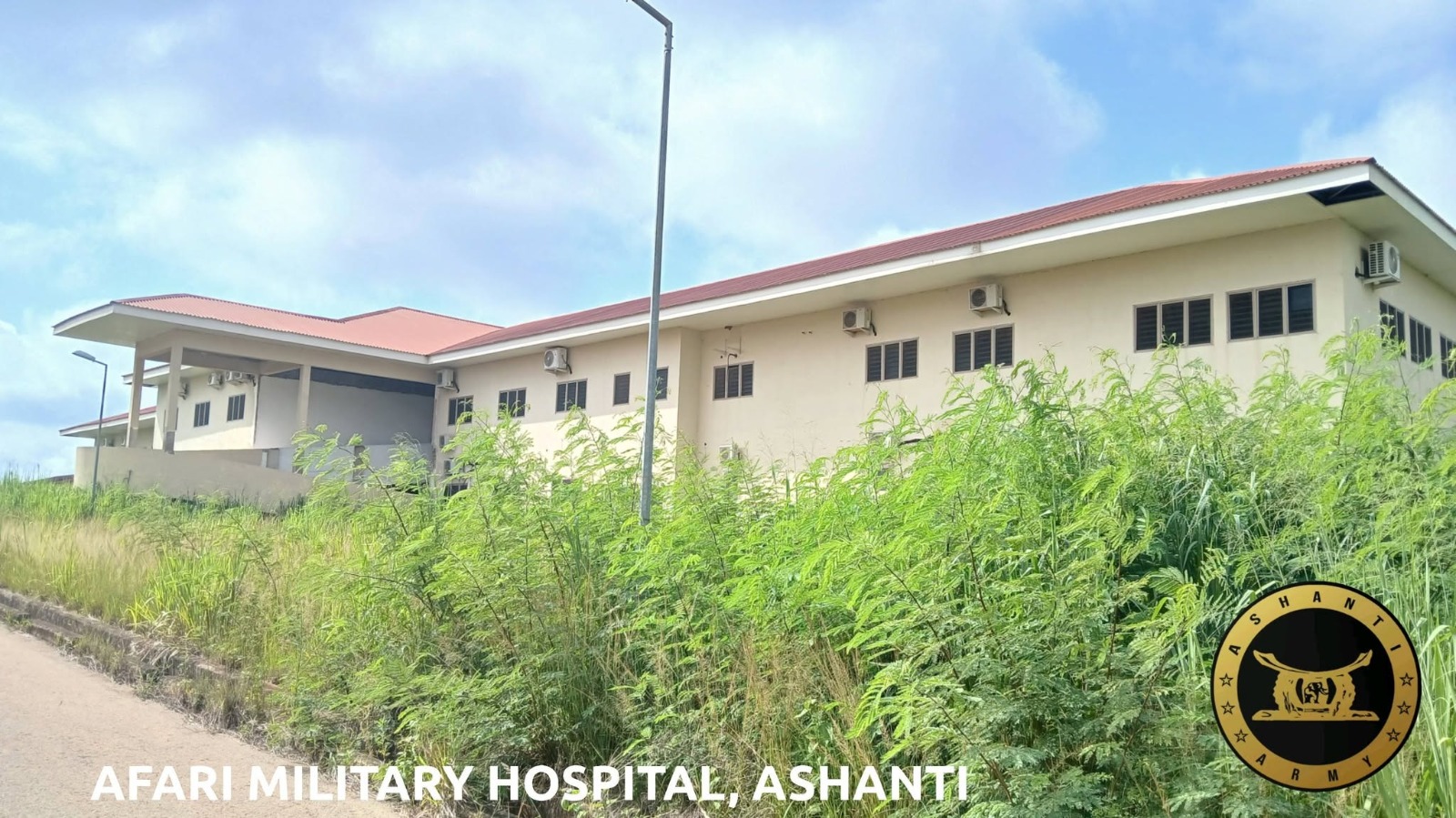
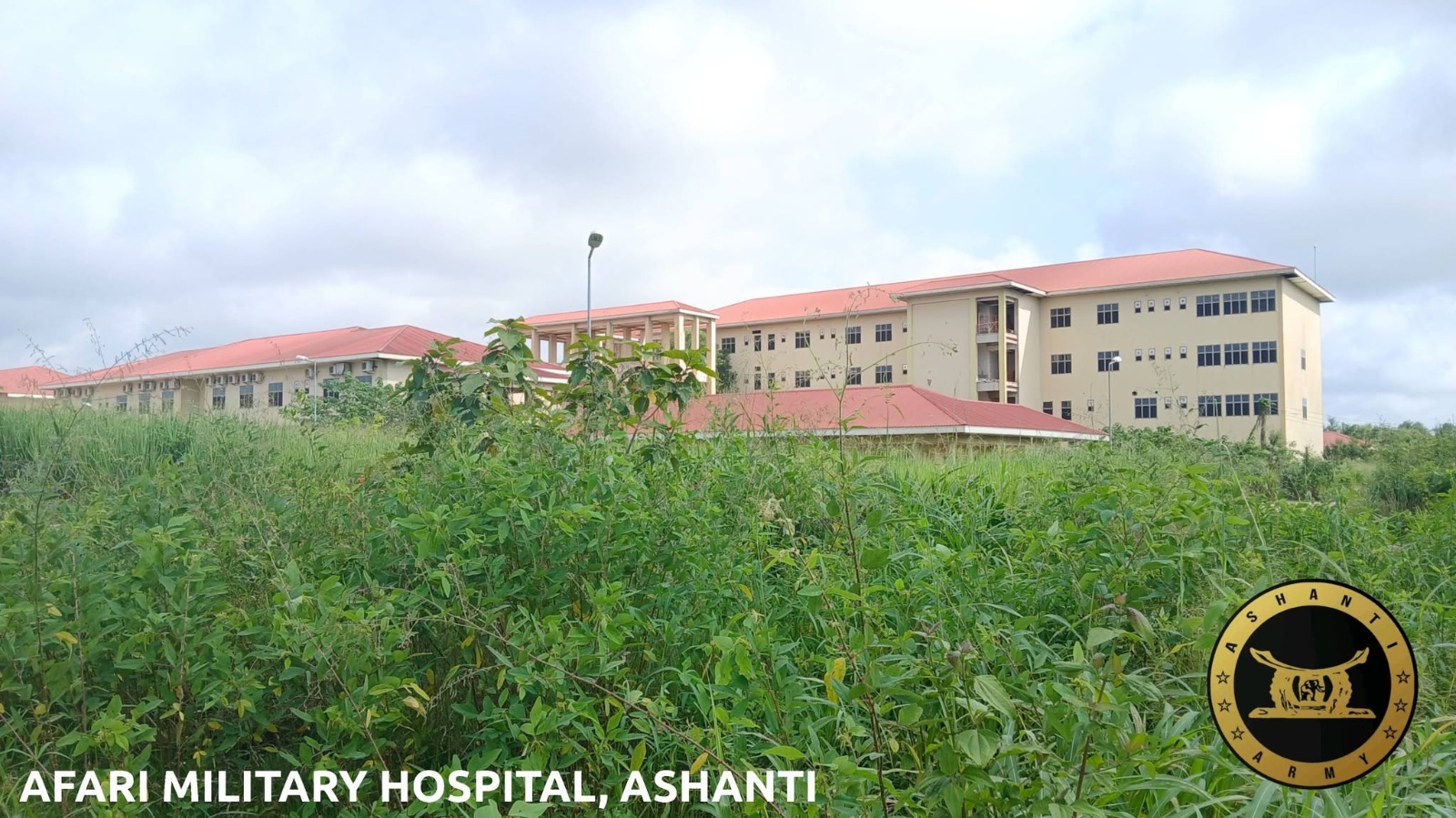
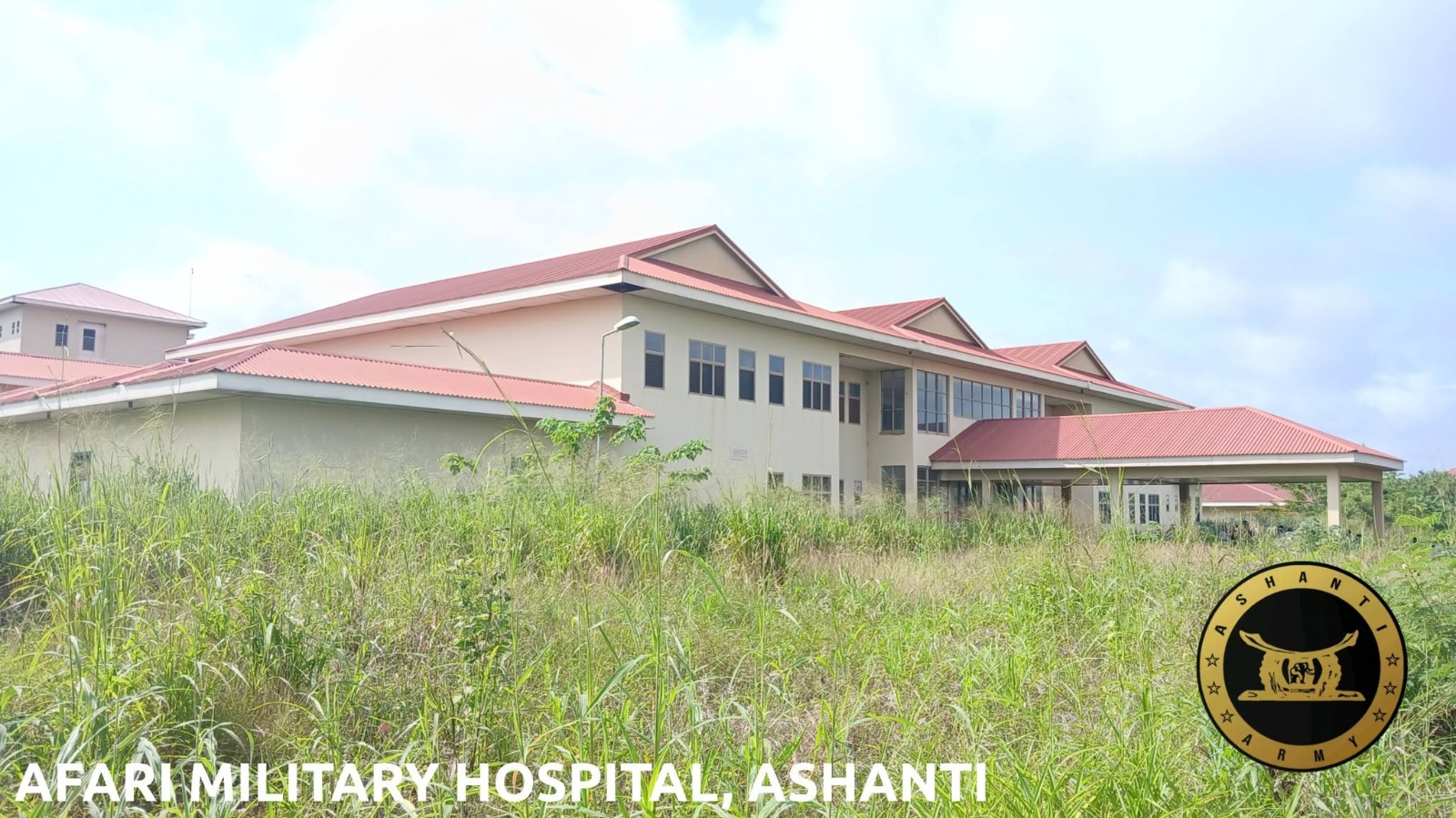
The National Democratic Congress government has attributed the prolonged delay in the completion of the Afari Military Hospital in the Ashanti Region to years of financial disputes, contractor abandonment, theft of equipment and administrative setbacks, as it seeks to respond to mounting criticism over the fate of one of the largest healthcare infrastructure projects.
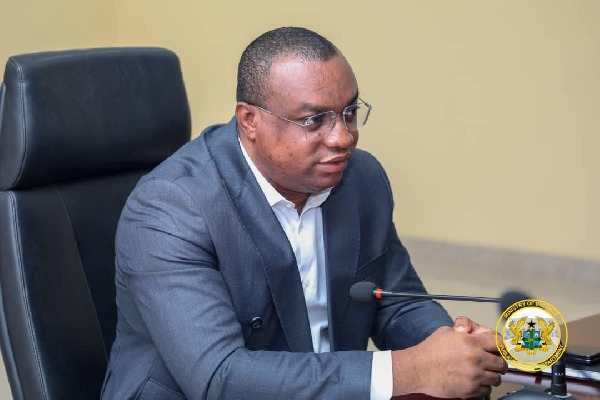
The latest explanation came from the Deputy Minister for Defence, Ernest Brogya Genfi, who outlined the history and current status of the project amid growing public debate over the non-operational state of the facility, which was originally expected to ease pressure on healthcare delivery in the Ashanti Region.
The issue has recently attracted national attention following visits by Minority Members of Parliament on Parliament’s Health Committee, who accused the government of failing to operationalise critical healthcare infrastructure despite increasing congestion at major referral hospitals, particularly the Komfo Anokye Teaching Hospital (KATH).
According to the Deputy Defence Minister, the roots of the project date back to March 2014 when then-President John Dramani Mahama cut sod for the construction of the 500-bed Afari Military Hospital.
The project, estimated at approximately $180 million, was envisioned as a major healthcare facility to serve both military personnel and civilians in the Ashanti Region and surrounding areas.
Under the original timeline, construction was expected to be completed within 42 months, with the hospital scheduled for delivery by 2018.
However, 12 years after construction commenced, the hospital remains incomplete.
Providing a breakdown of the project’s progress, Brogya Genfi disclosed that by January 2017, civil and architectural works had reached approximately 90 percent completion. However, significant portions of the biomedical and mechanical installations had not been completed, resulting in an overall project completion rate of about 57 percent at the time.
He stated that despite the substantial progress made on the physical structures, a combination of mismanagement, administrative bottlenecks and prolonged neglect over the years stalled further advancement of the project.
According to him, when the current administration assumed office, work at the site had completely halted, with the contractor having abandoned the project.
The Deputy Minister revealed that the contractor has since demanded the settlement of two outstanding claims before returning to the site. These include an initial claim of approximately $7 million and a second claim of about $78 million.
He indicated that the contractor insists on receiving these payments before resuming work, despite previous claims by the former administration that all contractual obligations had been fulfilled and that no further payments were due.
The Defence Ministry further disclosed that challenges surrounding the project extended beyond construction delays.
Brogya Genfi said medical equipment imported for the hospital was left unattended at the country’s ports for extended periods, resulting in significant demurrage costs. Some of the equipment, he revealed, was eventually auctioned after remaining unclaimed, representing a substantial loss of public resources.
The situation, he noted, has been compounded by incidents of theft and deterioration at the project site.
According to the Deputy Minister, several pieces of equipment have either been stolen, damaged or rendered obsolete due to the prolonged delay in completing the facility.
In some cases, warranties on imported medical equipment have expired before the hospital could be commissioned and put into operation.
An assessment by the Ministry now places the overall completion level of the hospital at approximately 60 percent.
While civil and architectural works have reportedly advanced to about 97 percent completion, biomedical and mechanical installations remain significantly behind, with only about 5 percent of that component completed.
The disparity, officials say, highlights why the facility remains unable to function despite the near-completion of its buildings and supporting infrastructure.
Brogya Genfi stated that government has since initiated efforts to revive the project by re-engaging the contractor and reviewing the existing contract arrangements.
In addition, authorities are conducting an inventory and technical assessment of all available medical equipment linked to the project in order to determine what remains usable and what may need replacement.
The review forms part of broader efforts aimed at accelerating completion and eventually operationalising the facility.
The Deputy Minister also explained why military personnel continue to maintain a strong security presence at the project site.
According to him, the Ghana Armed Forces have been tasked with protecting the facility following repeated incidents of theft and unauthorised access.