By Issah Olegor
The Upper East Regional Minister, Akamugri Donatus Atanga, has declared that the next chapter of Ghana’s economic transformation will be written not only in Accra and other major cities but also across the country’s northern regions, where local entrepreneurs are increasingly turning indigenous resources into thriving businesses, jobs and industrial opportunities.
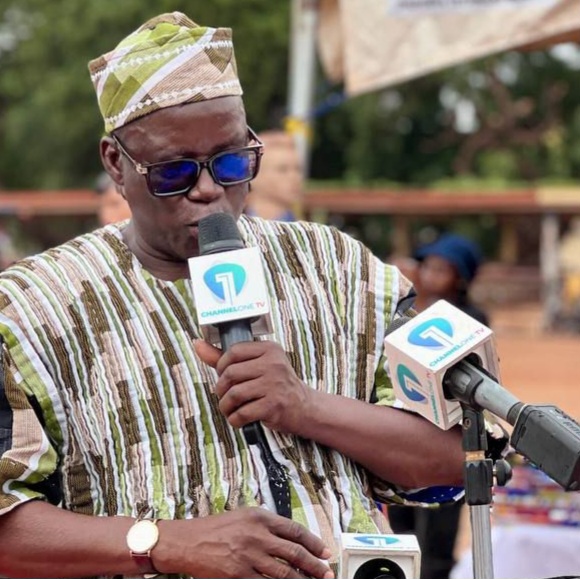
Speaking at the closing ceremony of the 2026 Northern Business Fair in Tamale on Sunday, July 26, Atanga said Northern Ghana was emerging as a critical pillar of the country’s economic future, driven by innovation, entrepreneurship and value addition.
Addressing participants on behalf of the five northern regions, the Minister said the two-day business exhibition had demonstrated the enormous potential that exists within Northern Ghana, with entrepreneurs, manufacturers and innovators showcasing products ranging from agribusiness and food processing to textiles, handicrafts and locally manufactured goods.
“The future of the economy will not be built solely within our major cities. It will also be shaped in our communities where entrepreneurs, innovators and manufacturers are transforming local resources into competitive products, creating jobs and driving inclusive economic growth,” Mr Atanga stated.
According to him, the quality of products and innovations displayed during the fair reaffirmed that Ghana’s greatest asset remains the creativity, resilience and enterprise of its people rather than its natural resources alone.
He said the government, under President John Dramani Mahama’s Resetting Ghana Agenda, remained committed to creating an enabling environment that would allow businesses to flourish and become globally competitive.
Atanga explained that the government’s development strategy seeks to accelerate industrialisation, promote local production, deepen value addition, improve access to finance and position Ghanaian businesses to fully benefit from opportunities under the African Continental Free Trade Area (AfCFTA).
He noted that despite the enormous economic potential of Northern Ghana, including vast arable land, abundant natural resources, a youthful labour force and a rich cultural heritage, significant investment was still required in agro-processing, manufacturing, logistics, technology, branding, packaging and market access to unlock the region’s full economic value.