BY ISSAH OLEGOR
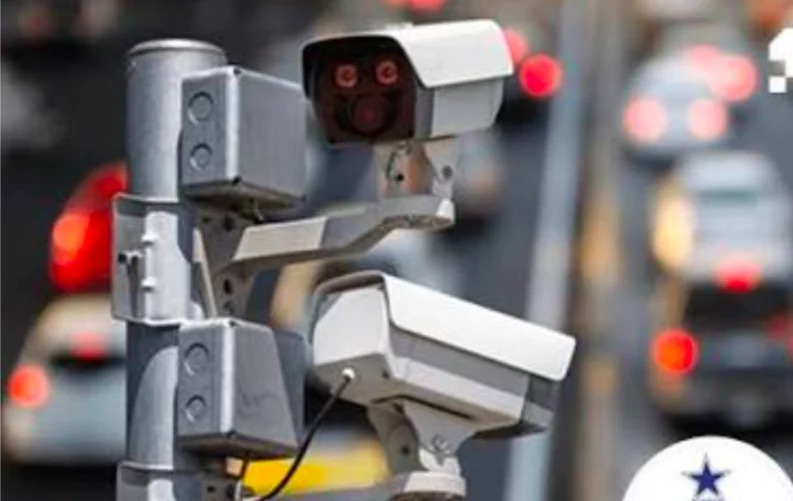
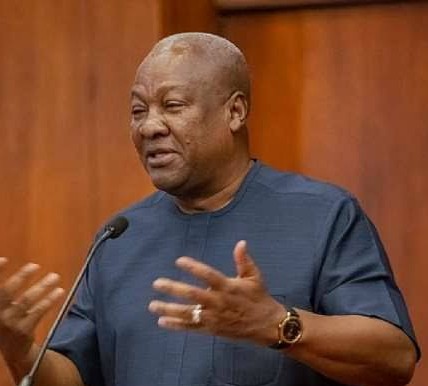
President John Dramani Mahama has defended the government’s introduction of the TraffiTech-GH automated traffic enforcement system, insisting that the need to protect lives and reduce road accidents must take precedence over complaints about the cost of speeding fines and demands for road infrastructure improvements.
The President has urged motorists unhappy with the penalties imposed under the new system to avoid exceeding prescribed speed limits, arguing that drivers who comply with traffic regulations have no reason to worry about being fined.
“If it is too expensive, then don’t overspeed; that’s all, there is a solution to it,” President Mahama said.
He made the remarks in an interview with 1957 News on the sidelines of the Commonwealth Heads of Government Meeting (CHOGM) at Jumby Bay Island in Antigua and Barbuda, where he addressed growing public concerns surrounding the introduction and implementation of the technology-driven traffic enforcement system.
The President’s comments come amid an ongoing debate over the level of penalties under TraffiTech-GH, with some motorists questioning whether the fines are reasonable, particularly in view of the poor condition of roads in several parts of the country.
However, Mahama maintained that the condition of Ghana’s roads should not become an excuse for motorists to disregard speed limits, stressing that traffic law enforcement and road infrastructure development must proceed simultaneously.
At the centre of the President’s defence of TraffiTech-GH is what he described as the disturbing number of children knocked down by speeding vehicles, particularly while returning home from school.
He said the country must take urgent steps to address excessive speeding because children and other vulnerable road users continue to suffer fatal and life-changing injuries through preventable road crashes.
“If you look at the number of children knocked down every year in Ghana when they are coming from school, you will understand why it is important for us to check overspeeding. Children coming from school are knocked down and killed or permanently injured, and so it is important for us to check speeding,” he stated.
According to the President, protecting schoolchildren and pedestrians should remain a major consideration in the country’s road safety policies, adding that technology-based monitoring provides an opportunity to strengthen compliance with traffic regulations.
Rejects calls to fix roads before introducing TraffiTech
President Mahama also rejected arguments that the government should first repair roads and improve related infrastructure before deploying automated speed cameras.
He maintained that road maintenance and traffic enforcement are separate but complementary responsibilities, insisting that weaknesses in the road network should not prevent authorities from taking immediate action against dangerous driving.
He cited the United Kingdom as an example, arguing that speed cameras are used in the country despite the fact that its roads are not entirely free from defects.
“My understanding is that TraffiTech has begun with overspeeding; they have not yet added the other components of jumping red lights and parking wrongly,” he explained.
Responding to suggestions that road repairs should precede the introduction of the system, he said: “I mean, it doesn’t happen like that. The roads are not perfect in the UK, and yet they have speed cameras.”
The President’s position is that motorists must observe speed limits regardless of the condition of the roads, while government continues to address infrastructure challenges.
Figures attributed to the National Road Safety Authority (NRSA) indicate that Ghana recorded 2,949 road crash deaths in 2025, compared with 2,494 in 2024, representing an increase of 18.2 per cent.
The reported crashes also resulted in 16,714 injuries, while pedestrian knockdowns increased by seven per cent to 2,561 cases.
Of the people who lost their lives in road crashes in 2025, 328 were below the age of 18, accounting for approximately 11 per cent of the recorded fatalities.
The figures highlight the risks confronting children, pedestrians and other vulnerable road users, although the national statistics do not establish how many of the child fatalities occurred specifically while pupils were travelling to or from school.
President Mahama believes the figures reinforce the need for stronger enforcement of traffic regulations, particularly against motorists who drive above prescribed speed limits.
Despite defending the system, the President has acknowledged the importance of transparency in its implementation and directed the police and agencies responsible for TraffiTech-GH to install clear warning signs ahead of locations where speed cameras are deployed.
He said motorists should receive adequate advance notice when approaching roads monitored by the cameras, arguing that public awareness and transparency are essential when introducing technology-driven enforcement.
“All I will urge is that the police and those implementing TraffiTech should put signs showing where the cameras are, because that is one of the things you need to do if you are introducing this kind of innovation,” he said.
He added: “You need to put signposts, warning motorists that there is a speed camera ahead. I think that transparency is important.”
The directive is intended to ensure that motorists are adequately informed about camera locations and are not taken by surprise when driving through monitored sections of the road.
The President’s emphasis on warning signs also suggests that public education and clear communication should form part of the implementation process as the system becomes more widely deployed.
President Mahama disclosed that the initial phase of TraffiTech-GH is focused primarily on detecting motorists who exceed prescribed speed limits.