By Nadia Ntiamoah
The Public Health Authorities are intensifying their response to the country’s growing Monkeypox (Mpox) outbreak, following the confirmation of 10 new cases by the Ghana Health Service (GHS).
This brings the total number of confirmed infections to 19 since the re-emergence of the virus in the country.
According to the latest update, five of the newly infected individuals are currently hospitalized and receiving medical attention.
Health officials have reassured the public that, so far, no deaths have been recorded in connection with the ongoing outbreak.
Mpox is a viral zoonotic disease caused by the monkeypox virus, part of the same family of viruses as smallpox.
It is typically transmitted through close physical contact with an infected person or animal, or through contact with contaminated materials such as bedding or clothing.
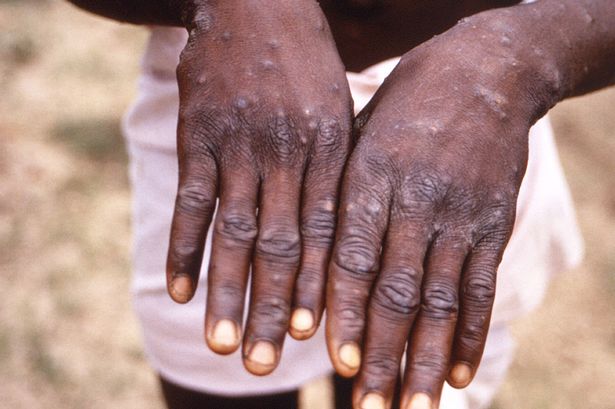
The illness is characterized by symptoms including fever, a distinctive rash, swollen lymph nodes, muscle aches, back pain, headaches, and general fatigue.
Ghana’s experience with Mpox dates back to 2022, when the country, alongside others in West Africa, reported its first cases during a global resurgence of the virus.
While the initial outbreaks were relatively contained, sporadic flare-ups have continued to pose a challenge for national health systems.
In response to the current spike in cases, the GHS has activated enhanced surveillance mechanisms, particularly at major health facilities and border entry points.
Public health campaigns are also being intensified, with officials emphasizing the importance of preventive hygiene and vigilance in detecting symptoms early.
“The public must remain alert and strictly observe the recommended preventive measures,” a GHS statement urged.
These include frequent handwashing with soap and water, avoiding skin-to-skin contact with individuals showing signs of infection—especially those with unexplained rashes—and seeking immediate medical attention if symptoms develop.
The GHS has also deployed health workers to conduct contact tracing and monitor those exposed to confirmed cases, aiming to break transmission chains before the virus can spread more widely.
While the situation remains under control, health experts warn that complacency could lead to a wider outbreak.
The World Health Organization (WHO) has previously noted that Mpox, though typically less severe than smallpox, can still cause serious illness, especially in children, pregnant women, and individuals with weakened immune systems.