By Nadia Ntiamoah
In a bid to restore dignity to women living with obstetric fistula, health authorities in Ghana have partnered with the Partnership to End Fistula in Ghana (PEFIC) to offer free surgeries in five major hospitals.
The initiative aims to eliminate one of the most debilitating childbirth-related conditions by providing comprehensive care and reintegration support to survivors.
The designated hospitals include Komfo Anokye Teaching Hospital in Kumasi, Ho Teaching Hospital in the Volta Region, Tamale West Hospital in the Northern Region, Mercy Women Catholic Hospital in the Central Region, and Upper West Regional Hospital.
According to Dela Bright Gle, Programme Specialist, Reproductive Health, United Nations Population Fund (UNFPA), the initiative is part of broader efforts to eliminate obstetric fistula in Ghana by 2030.
Obstetric fistula, caused primarily by prolonged or obstructed labour, results in a hole between the birth canal and the bladder or rectum, leading to uncontrollable leakage of urine or feces.
Beyond the physical trauma, affected women often suffer severe psychological and social rejection, many lose their babies, are abandoned by spouses, and are excluded from basic social activities.
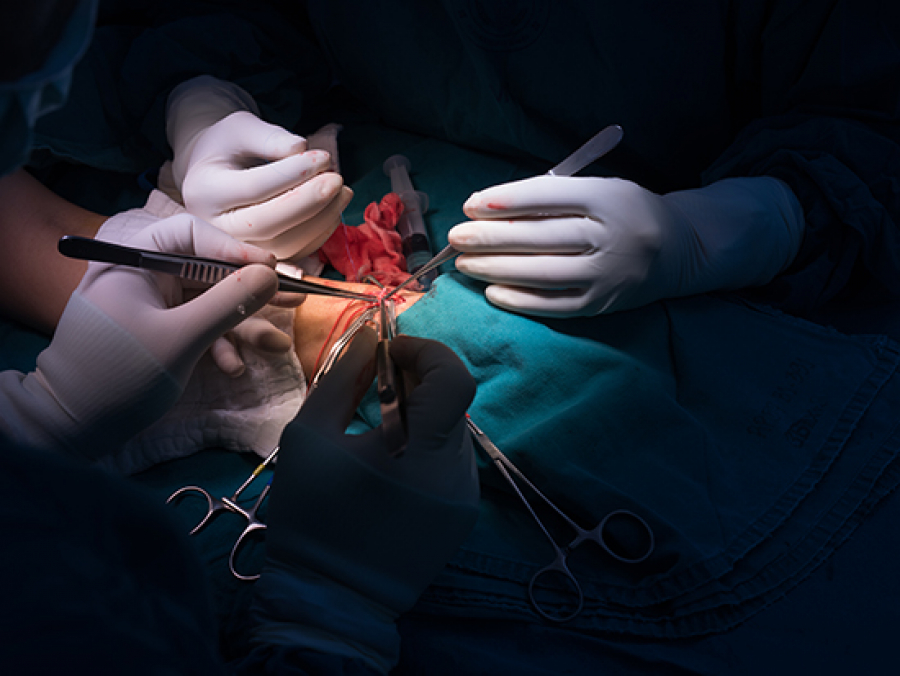
The UNFPA has provided free obstetric fistula surgeries for some women in the Ashanti Region as part of events commemorating the International Day to end Obstetric Fistula.
In Kumasi, 50 women were screened at the Komfo Anokye Teaching Hospital, and 15 were selected for repairs.
The estimated cost per patient is around $700, which covers transportation, surgery, and two weeks of recovery care.
Dr. Baffour Opoku, an obstetric fistula surgeon at Komfo Anokye Teaching Hospital, highlighted the severe psychological consequences of obstetric fistula, including depression and a significant reduction in quality of life.
He emphasized the need to create awareness about the condition and encouraged women to seek medical care.
The initiative is a significant step towards eliminating obstetric fistula in Ghana.
With skilled delivery care now covering 87-88% of births in health facilities, the nation is making visible strides, but challenges remain.
The partnership between health authorities, PEFIC, and UNFPA is crucial in addressing this debilitating condition and restoring dignity to affected women.