BY Issah Olegor
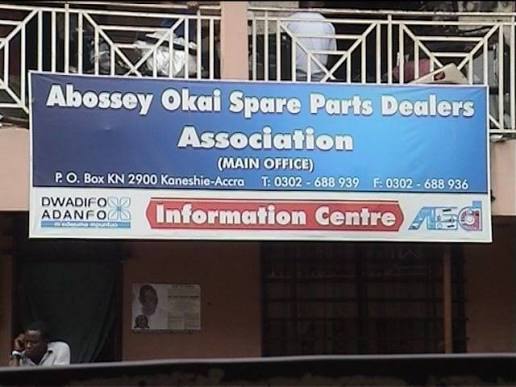
Traders at Abossey Okai, Ghana’s largest spare parts hub, have raised the alarm over a sharp increase in the Value Added Tax (VAT), warning that the new tax rate is threatening business operations, employment, and government revenue.
In a press statement issued on Thursday, the Abossey Okai Spare Parts Dealers Association expressed “deep concern” over the increase of VAT on taxable supplies to twenty percent (20%).
According to the Association, the move has triggered an average decline in sales of around fifteen percent among VAT-registered dealers.
The drop in sales, they argue, has forced customers to seek cheaper alternatives from informal and non-compliant sellers, undermining both business stability and the government’s revenue mobilisation efforts.
The Association highlighted that the current tax framework has created an uneven playing field. Compliant traders, who faithfully remit taxes, are now at a competitive disadvantage compared to informal operators who avoid VAT.
“This situation threatens the sustainability of legitimate businesses within Abossey Okai and across the wider spare parts sector,” the statement said.
Historically, the spare parts sector has been a key contributor to employment and commerce in Accra. Abossey Okai alone houses hundreds of traders and workshops that supply parts for vehicles nationwide.
The area has also been a focal point in government discussions about formalising small and medium enterprises through tax compliance and regulatory oversight.
Previous attempts to increase VAT rates or impose stricter tax measures have often been met with resistance from traders who cite high operational costs and declining consumer purchasing power.
They have proposed a simplified VAT system for the sector that, they claim, could improve compliance, broaden the tax net, increase revenue collection by at least ten percent, and align Ghana’s VAT rate with regional competitors at 5–8%.
In response to the recent VAT hike, the Association is urging the Ghana Revenue Authority (GRA) to reconsider the policy and engage stakeholders in designing a more business-friendly tax framework.
The statement also issued a warning: if the GRA does not respond to the concerns raised, the Association will initiate a one-week industrial action to defend the interests of its members and protect the sustainability of the sector.
Despite the threat of a strike, the Association stressed its commitment to dialogue with government authorities to balance revenue generation with business growth and job protection.
The VAT increase comes amid broader efforts by the Ghanaian government to boost domestic revenue in the face of rising inflation and a challenging macroeconomic environment.
However, critics argue that abrupt tax hikes risk pushing more businesses into the informal sector, reducing the long-term effectiveness of tax reforms.
The coming weeks will be critical as both the government and the Abossey Okai traders navigate a tense standoff that could impact not only spare parts availability but also wider economic activity in Accra.