
BY ISSAH OLEGOR
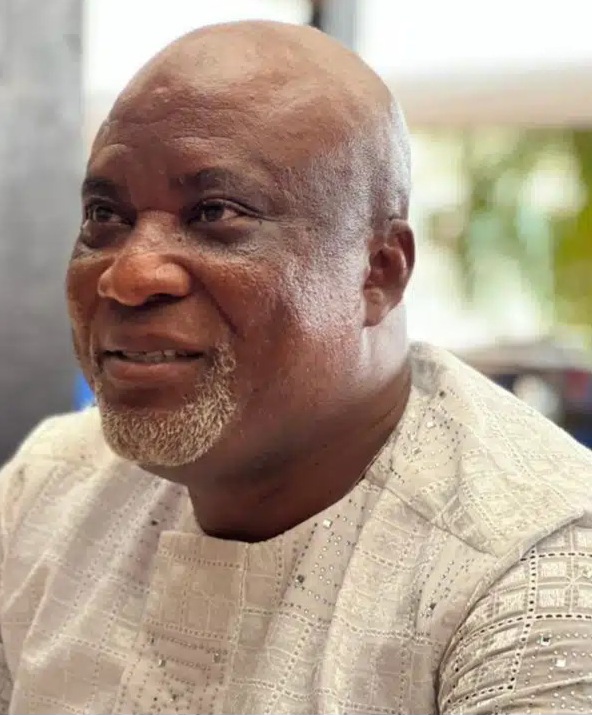
Director of Field Operations of the Alan Kyerematen led United Party (UP), Hopeson Adorye, has disclosed that his party was formed principally to challenge the New Patriotic Party (NPP) rather than the governing National Democratic Congress (NDC).
Adorye made the remarks during an appearance on the GTV Breakfast Show, where he discussed the political direction of the UP and its relationship with the two major political parties.
The statement places the UP’s political strategy firmly within the changing dynamics of Ghana’s opposition landscape following the 2024 general election where Alan Kyerematen annexed a little over 30,000 votes across the country.
Adorye, a former prominent member of the NPP, has since broken away from the party and become a leading figure in the UP. He explained that the objective of the new political formation was to challenge the political structure and influence of his former party.
According to him, the UP’s political contest is not primarily directed at the NDC, which currently holds government, but at the NPP and what he considers its existing political foundation.
The comments come at a time when the NPP is preparing for its internal reorganisation and national officers elections as it looks ahead to the 2028 general elections. Adorye’s central argument was captured in his statement that “we formed UP to oppose the NPP, not the NDC.”
His position, as presented during the broadcast, is that the UP intends to challenge the NPP for the political space and support base historically associated with the party.
He has previously criticised the NPP and argued that the party has lost the confidence of sections of the electorate.
In the latest discussion, he maintained that the UP represents a separate political project aimed at reshaping the political landscape rather than simply functioning as another platform for attacking the governing NDC.
Adorye has used his new political platforms to criticise the NPP’s leadership and organisational direction while promoting the UP as an alternative political vehicle.
In February 2026, for instance, Adorye criticised the NPP Minority in Parliament over its calls for investigations into alleged irregularities surrounding Atlas Commodities.
He accused the Minority of being “in deep waters” and looking for a scandal to associate with the NDC government.
That earlier intervention also demonstrated his willingness to defend the governing administration against some of the NPP’s criticisms, despite his own history within the opposition party.


