By Issah Olegor
Tensions at the National Lottery Authority (NLA) have escalated into an open confrontation between management and sections of the workforce, with aggrieved employees mounting pressure for the removal of Director-General Mohammed Abdul-Salam also known as Alhaji Lotto.
The workers, who have expressed growing dissatisfaction with what they describe as deteriorating welfare conditions and poor labour relations, are demanding that the NLA Board and other relevant authorities intervene to restore confidence in the leadership of the state lottery institution.
The latest agitation comes after months of disagreements over salaries, taxation, working conditions and the direction of the Authority, with employees accusing management of failing to adequately respond to their concerns.
At the centre of the workers’ anger is the unresolved salary dispute. Staff representatives say their financial position has worsened despite repeated engagements with management, arguing that deductions arising from tax adjustments have substantially reduced their take-home pay.
Workers have previously rejected management’s proposed salary adjustment, insisting that the offer does not adequately compensate for the erosion in their real incomes. They have maintained that the situation has created serious financial difficulties for employees, particularly those with loans and other monthly obligations.
The dispute has already reached a point where labour representatives have declared a deadlock in negotiations, raising the possibility of further industrial action if efforts to resolve the matter fail.
‘We Have Lost Confidence in the DG’
For the aggrieved employees, however, the dispute is no longer solely about salaries.
Staff representatives accuse the Director-General of adopting what they consider an antagonistic approach to labour relations and failing to maintain the trust required for productive negotiations.
A source familiar with the dispute said the relationship between management and workers had deteriorated significantly, describing the level of mistrust as unprecedented.
According to the source, workers believe promises made during engagements with management have not been honoured, contributing to what they describe as a toxic working environment.
The workers are therefore calling for a change in leadership, arguing that the Director-General has lost the confidence of significant sections of the workforce.
Dispute Over Revenue Figures
Another major point of contention emerged during recent arbitration proceedings over the workers’ demands.
According to union representatives, management relied heavily on figures from one revenue stream when presenting the Authority’s financial position during the negotiations.
The workers contend that the presentation did not sufficiently reflect other revenue sources available to the NLA and consequently created an impression that the Authority had limited financial capacity to meet their demands.
They regard the approach as unfair and argue that a complete picture of the NLA’s revenues should have been presented during the negotiations.
For the union, the issue is significant because management’s financial position is central to determining what the Authority can reasonably offer its workforce.
Workers Question Leadership Priorities
The latest protest also reflects broader concerns among staff about management priorities.
Workers have questioned why they continue to face difficulties over remuneration and operational conditions while allegations circulate about significant spending by senior management.
One of the allegations being raised by aggrieved workers concerns the construction of a substantial private residence in Tamale, reportedly located near the regional office of the National Identification Authority.
Workers are questioning the circumstances surrounding the alleged project and have raised claims that it is being supervised by the Director-General’s younger brother, whom they identify as a mobile-money operator.
These claims have not been independently established, and the allegations remain part of the workers’ broader complaints against management. The workers are demanding answers and greater transparency regarding the Director-General’s personal and official financial interests.
NLA Already Under Intense Scrutiny
The latest demonstration adds another layer to the growing scrutiny surrounding the NLA and its leadership.
In recent months, the Authority has faced public controversy over allegations concerning executive remuneration, rent allowances, operational expenditure and other financial matters. Management has rejected several of those allegations, describing them as false and threatening legal action against media organisations and individuals responsible for publishing what it considers defamatory claims.
The Authority has also faced questions over its relationships with private lottery operators, particularly the controversial NLA-KGL arrangement.
Workers have previously petitioned government over what they described as the “private capture” of the Authority, arguing that long-term agreements with private operators could undermine NLA revenue, jobs and institutional independence.
Management and supporters of private-sector participation have disputed the narrative of a KGL monopoly, pointing to the number of licensed private operators and the revenue they contribute to the NLA.
Operational Concerns Add to Discontent
Beyond salaries, workers have also complained about what they describe as inadequate investment in the Authority’s operations.
They have raised concerns over ageing lottery point-of-sale terminals and deteriorating vehicles used for field operations, some of which they claim have been in service for many years.
According to employees, the condition of some vehicles has become a safety concern, with fears that continued use could expose field officers to unnecessary risks.
The workers argue that modernising the Authority’s operational infrastructure should be treated as a priority if management wants to improve revenue generation and productivity.
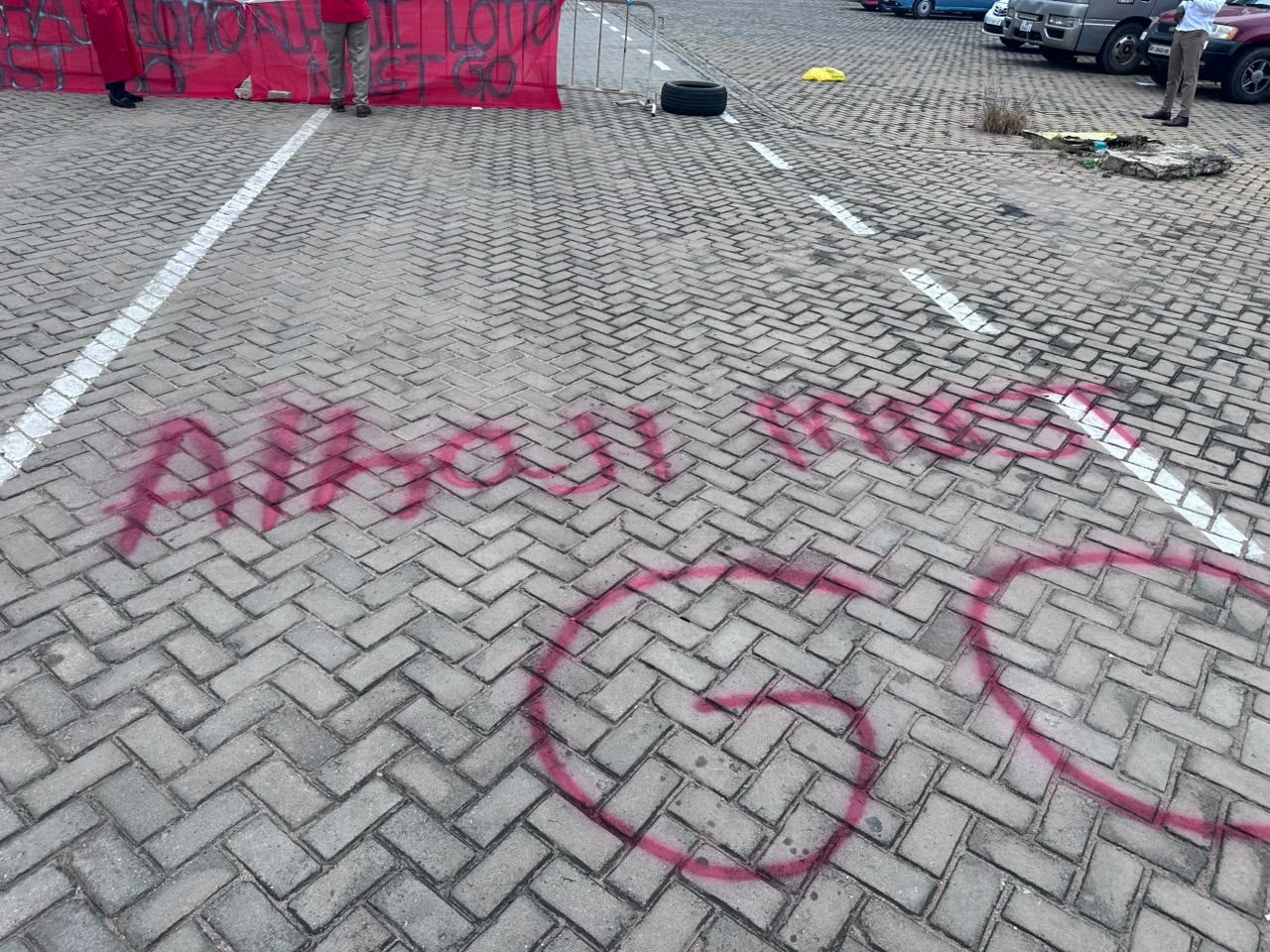
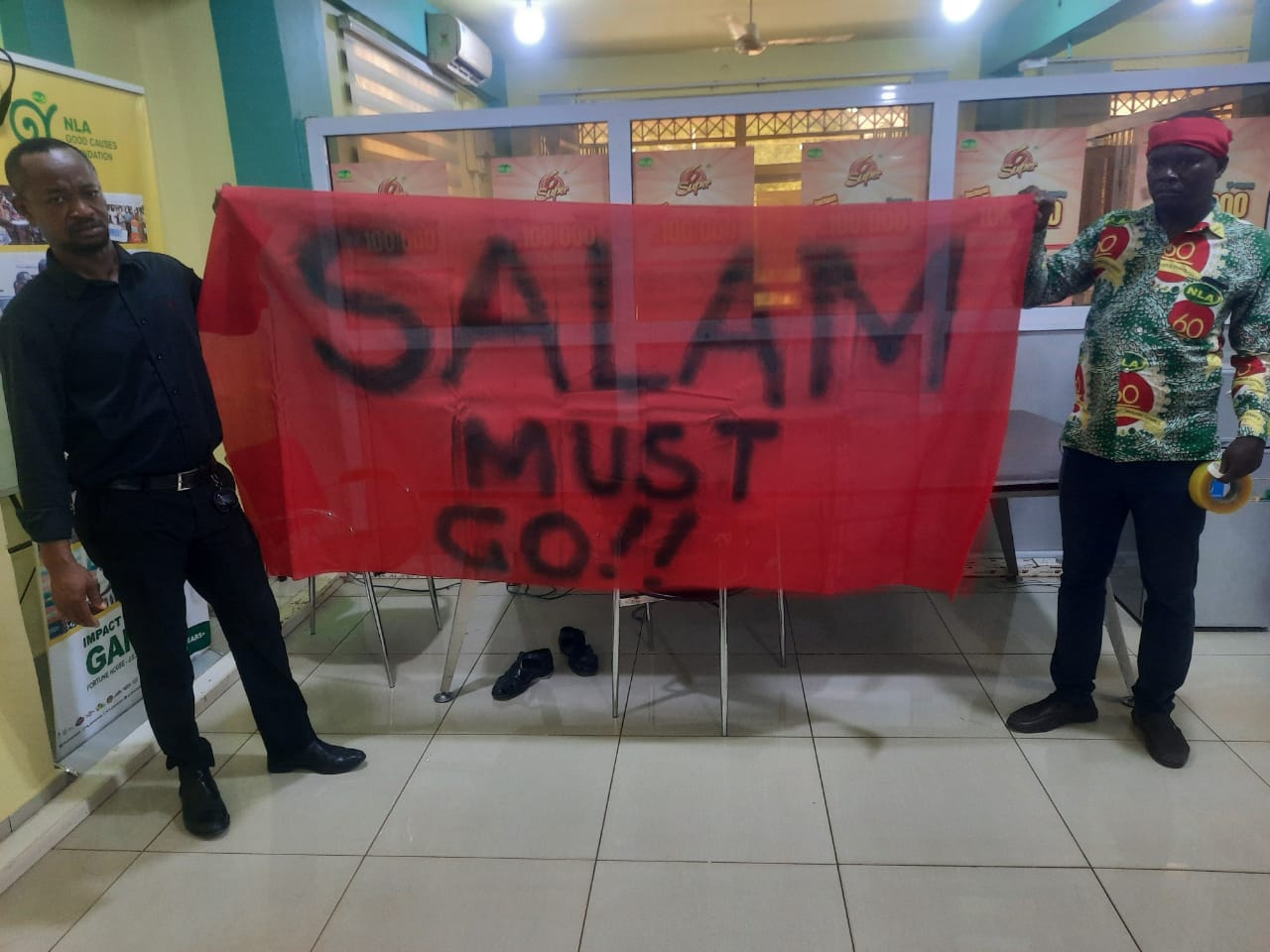
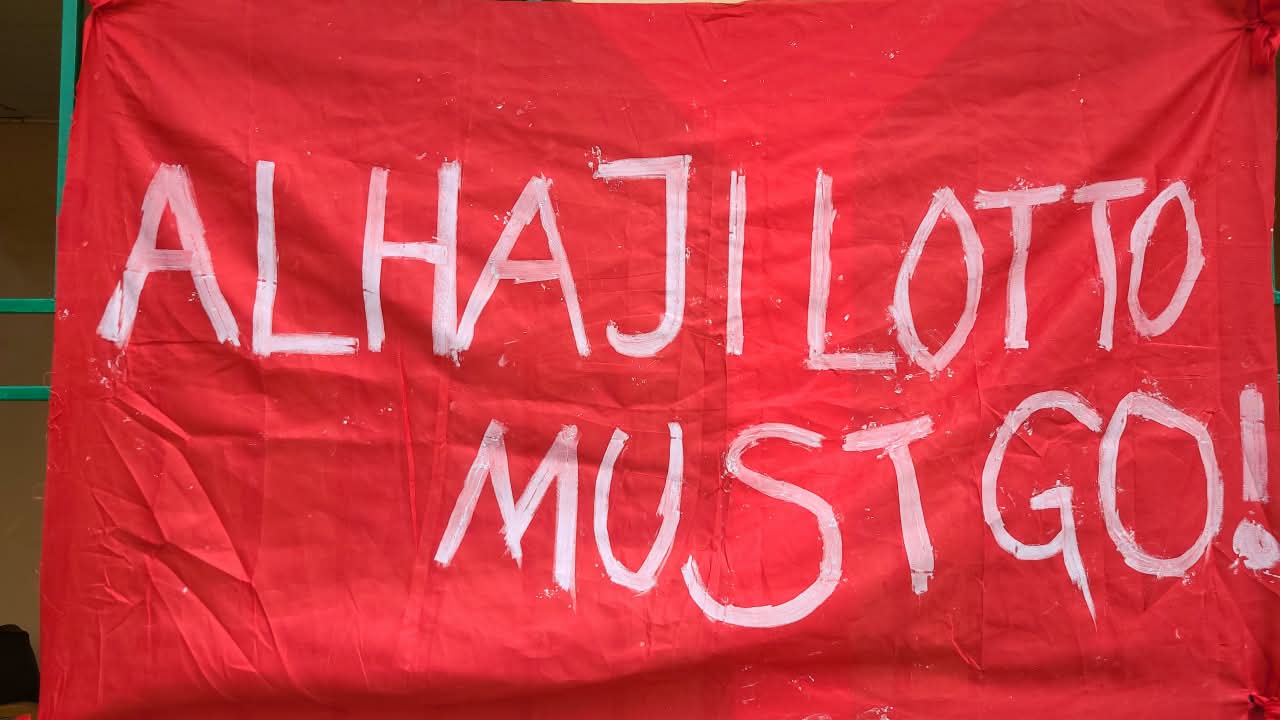
‘Alhaji Lotto Must Go’
The combination of the salary dispute, deteriorating labour relations, operational concerns and allegations surrounding management spending has now hardened the workers’ position.
Their central demand is that Mohammed Abdul-Salam should leave office.
The slogan “Alhaji Lotto Must Go” has consequently become a rallying cry among sections of the workforce demanding a leadership change.
The workers say their objective is not simply to secure a better salary adjustment but to restore what they consider to be professional leadership, accountability and respect for employees within the Authority.
Board Faces Pressure to Act
The NLA Board is now under increasing pressure to intervene before the dispute develops into a prolonged industrial crisis.
Workers are urging the Board to independently examine their grievances, review management’s handling of the salary negotiations and investigate the allegations they have raised regarding leadership conduct and expenditure.
They argue that failure to address the underlying problems could further damage staff morale and disrupt the operations of an institution whose revenue-generating role is important to the state.