BY Daniel Bampoe
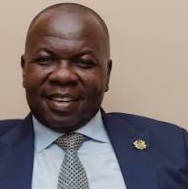
The escalating controversy over the reported GH¢22 billion loss associated with Ghana’s gold-for-reserves operations has taken another political turn, with Akuapem North Member of Parliament Sammi Awuku urging the government and other stakeholders to move away from partisan exchanges and provide clear answers to the financial questions being raised by the Minority in Parliament.
Sammi Awuku, a member of the Minority Caucus, said the issue surrounding the Ghana Gold Board (GoldBod) and the Bank of Ghana (BoG) was too serious to be reduced to the usual political arguments between the governing party and the opposition.
In his view, the figures involved and the questions surrounding the transactions demand a more substantive national conversation based on evidence, transparency and accountability.
The Akuapem North MP’s intervention comes amid a growing dispute over reported losses connected to the Bank of Ghana’s Domestic Gold Purchase Programme (DGPP).
The Minority has been pressing for explanations regarding the financial performance of the programme, the respective roles played by GoldBod and the central bank, and whether any of the losses arose from decisions independently taken by the institutions involved or from arrangements that may have involved coordination or collusion.
Sammi Awuku argued that these questions should not simply be dismissed as politically motivated accusations. He maintained that the concerns raised by the Minority deserve proper examination because the amounts involved concern public resources.
Rather than responding with political rhetoric or attacking those raising the questions, he said, the government should provide documentary evidence capable of establishing what actually happened.
The MP also drew attention to the fact that the figures under discussion have been attributed to official reports of the International Monetary Fund (IMF). His position is that the existence of an IMF reference to losses makes it particularly important for the government and the institutions involved to provide a detailed explanation if they believe the figures have been misunderstood or wrongly attributed to GoldBod.
According to Sammi Awuku, if the interpretation being placed on the IMF’s findings by the Minority is inaccurate, the appropriate response is not to attack the Minority or turn the controversy into a political contest. Instead, the government should present the relevant financial records, explain the methodology behind the figures and provide Ghanaians with what he described as the appropriate counter-answers.
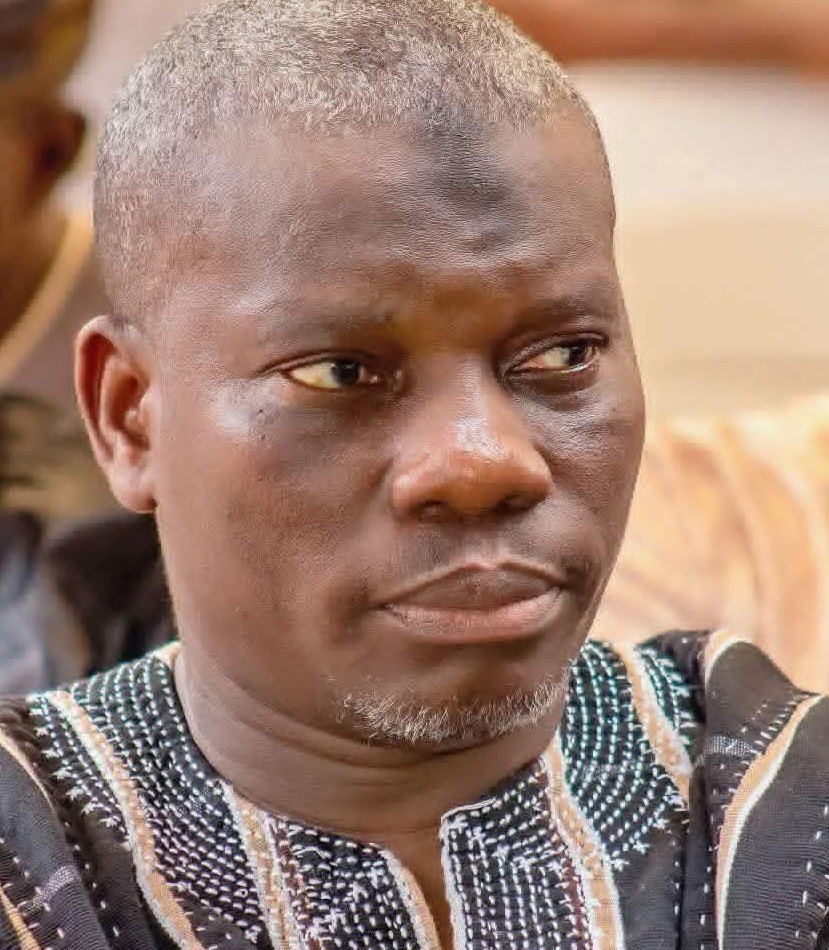
His comments come against the background of an increasingly bitter exchange between Minority Leader Alexander Afenyo-Markin and GoldBod Chief Executive Officer Sammy Gyamfi.
Mr Afenyo-Markin has demanded a full examination of the reported losses and has argued that, irrespective of which state institution’s balance sheet carries the loss, the money ultimately belongs to the Republic and must therefore be accounted for.
Sammy Gyamfi, meanwhile, has strongly rejected the suggestion that GoldBod itself incurred the reported US$1.7 billion loss associated with the DGPP.
He has maintained that GoldBod’s audited financial statements showed an operational surplus and that the institution’s role under the programme was primarily that of a buying agent.
He has also argued that the reported loss arose from the Bank of Ghana’s programme and factors including exchange-rate effects, rather than from GoldBod’s own trading operations.
The competing positions have created a central question that Mr Awuku believes should be settled through evidence rather than political confrontation: what exactly caused the reported losses, which institutions were responsible for the various transactions, how much was lost through exchange-rate differentials, what fees and discounts were involved, and whether any decisions taken by GoldBod or the Bank of Ghana contributed to the financial exposure?
Sammi Awuku further cautioned the media against becoming overly focused on personalities and political attacks at the expense of investigating the substance of the allegations.
He said journalists have a responsibility to interrogate the figures objectively and examine the available documentation rather than concentrating primarily on attempts to discredit individuals who raise concerns about the management of public funds.