–BY Daniel Bampoe
The devastating health impact of illegal mining, known locally as galamsey, has taken a disturbing turn in Ghana’s Eastern Region, where medical experts are sounding the alarm over a rising tide of breast cancer cases directly tied to environmental pollution.
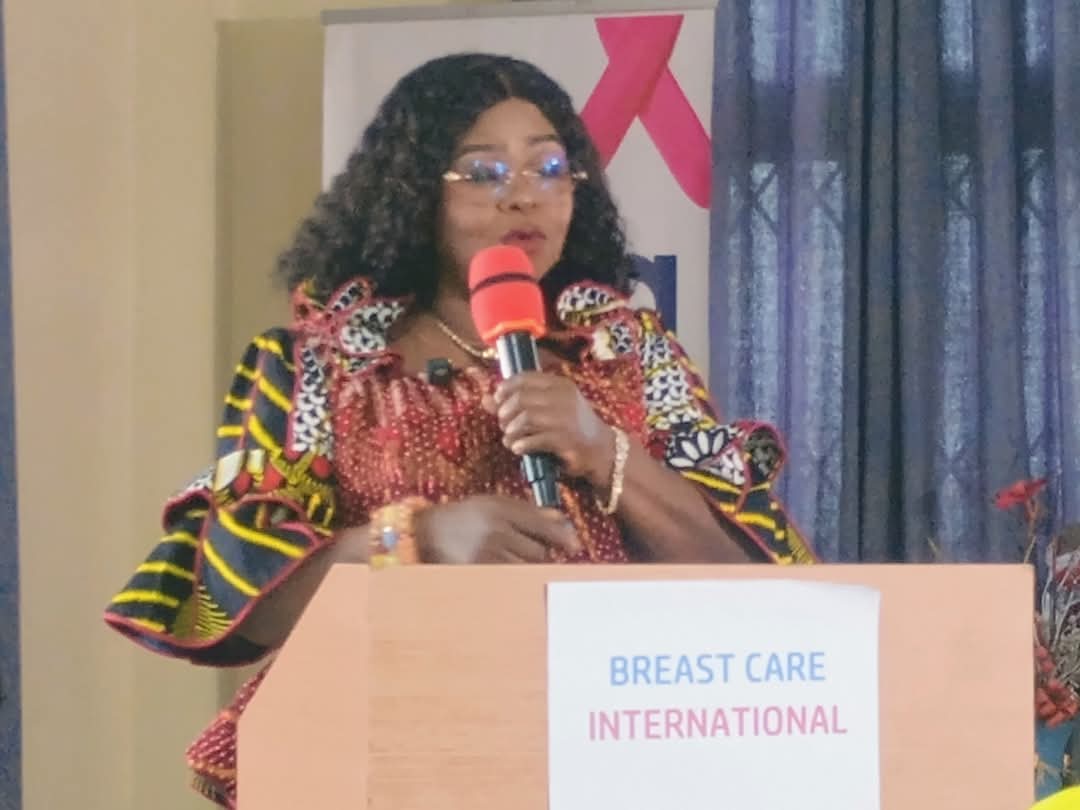
At a two-day oncology training workshop for journalists and morning show hosts held in Kumasi, Renowned Cancer Surgeon and Advocate Dr. Beatrice Wiafe Addai presented startling findings that draw a clear connection between toxic waste from galamsey operations and the increasing incidence of breast cancer, especially in mining-prone communities.
Dr. Wiafe Addai, who is CEO of Peace and Love Hospitals and Founder of Breast Care International, revealed that a recent study conducted in partnership with the University for Development Studies (UDS) in Somanya, and supported by pharmaceutical giant Teva, has confirmed that chemicals used in illegal mining are severely polluting local water bodies.
The resulting contamination, she explained, is infiltrating the daily lives of residents through drinking water and agriculture, posing grave long-term health risks.
“We can no longer treat this as hearsay. The scientific evidence is mounting, and it’s deeply concerning,” Dr. Wiafe Addai said.
“Toxic exposure from illegal mining is fuelling a rise in breast cancer cases. These communities, already vulnerable, are now facing an even deadlier threat because of poisoned environments.
She noted that many of the patients presenting with breast cancer are arriving at hospitals during advanced stages of the disease, significantly reducing their chances of recovery.
“The tragedy here is twofold—our women are being exposed to carcinogens through no fault of their own, and they are also lacking access to early screening and healthcare due to poor infrastructure and low awareness,” she added.
The doctor’s call to action extended beyond the health sector.
She urged the government, civil society, private sector actors, and philanthropists to increase support for Ghanaian-led research.
“When we lead our own investigations, we ensure the data serves our people. We cannot depend solely on foreign institutions that often take the findings away,” she stressed.