By Daniel Bampoe
The circumstances surrounding the death of Promasidor Ghana engineer Charles Amissah have triggered renewed scrutiny of the public healthcare system, with growing concerns that the tragedy reflects deeper structural failures far beyond the widely discussed “no-bed syndrome.”
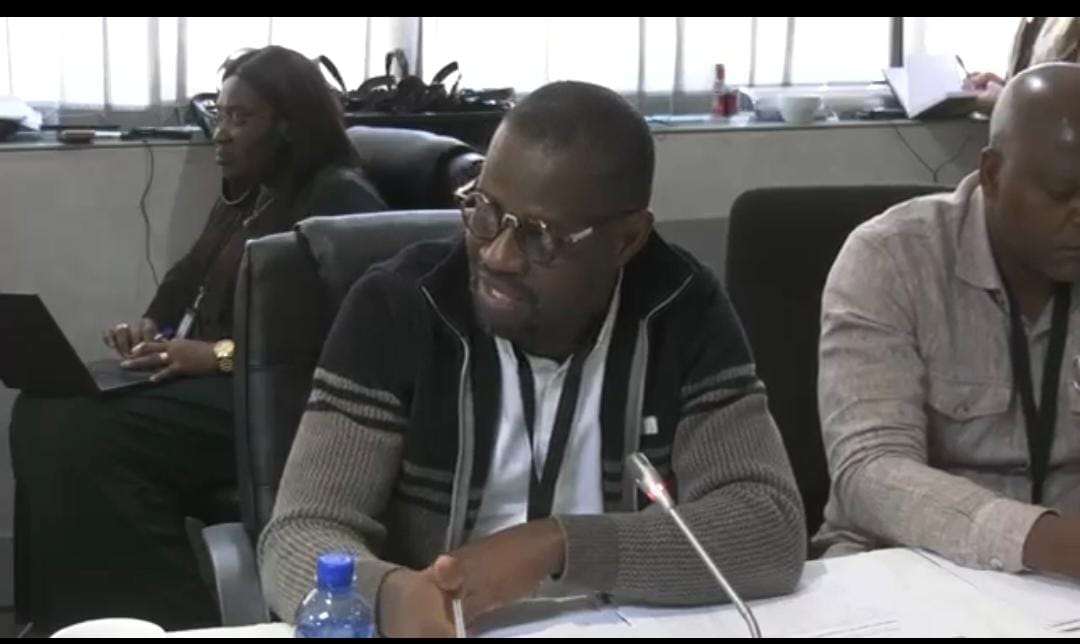
While the investigative committee chaired by renowned pathologist and former Director-General of the Ghana Health Service, Prof. Agyeman Badu Akosa, has recommended disciplinary action against several health professionals, information emerging from within the health sector suggests the crisis extends to chronic absenteeism among senior doctors, weak supervision, deteriorating infrastructure, and systemic breakdowns in emergency care delivery across major public hospitals.
The Ministry of Health has already directed seven health professionals from the Police Hospital, Greater Accra Regional Hospital, and Korle Bu Teaching Hospital to face disciplinary proceedings following the release of the committee’s findings into the death of Charles Amissah.
Those indicted are Dr Aida Druante, Dr Genevieve Adjah, Joy Daisy Nelson and Salamatu Alhassan of Korle Bu Teaching Hospital; Dr Nina Naomin Eyram and Akosua B. Turkson of the Greater Accra Regional Hospital; and Dr Anne-Marie Kudowo of the Police Hospital.
Charles Amissah, an engineer with Promasidor Ghana, died in February 2026 after sustaining injuries in a hit-and-run accident while returning home from work on his motorbike.
According to the committee’s report, Amissah survived the initial crash and remained alive throughout his transfer between the Police Hospital, Greater Accra Regional Hospital, and Korle Bu Teaching Hospital. However, he reportedly died from prolonged and preventable blood loss due to failure to provide timely emergency medical intervention.
Prof. Akosa disclosed during the presentation of the report that pathology findings confirmed Amissah suffered a “slow death from medical neglect” rather than instant fatal injuries from the crash itself.
“The pathology confirms a slow death from medical neglect and not from the instant trauma. If at any of these facilities there had been medical intervention, Charles Amissah could have survived,” Prof. Akosa stated.
The report indicated that Amissah suffered a deep laceration to the right upper arm, damaging major blood vessels and muscles, alongside an open fracture of the upper humerus — injuries considered survivable with basic emergency care such as bleeding control, intravenous fluids and blood transfusion.
However, beyond the immediate findings against the cited health workers, insiders within the health sector say the incident has exposed longstanding problems confronting public hospitals, particularly the persistent absence of senior consultants and specialists from hospital wards.
According to sources familiar with operations at Korle Bu Teaching Hospital and other major referral facilities, several senior medical officers reportedly spend substantial time running private clinics and hospitals while remaining on the payroll of public institutions.
Some consultants attached to Korle Bu reportedly own private health facilities around the Teaching Hospital enclave and the Bishop Bowers area of Accra, resulting in limited presence on the wards.
As a consequence, junior doctors, house officers and nurses are often left to manage critically ill patients with little supervision from experienced specialists.
Sources alleged that some consultants reportedly visit wards only once a week and spend limited hours attending to patients before returning to private practice or other engagements, including lecturing in medical schools and undertaking locum work at private facilities.
The situation has reportedly created enormous pressure on junior medical practitioners, many of whom rely heavily on laboratory tests, scans and referrals while waiting for unavailable senior colleagues to review cases and make treatment decisions.
Some insiders further claimed that overburdened nurses and inexperienced medical officers are sometimes forced to improvise under difficult conditions, contributing to delays in treatment and avoidable deaths.
The report has also sparked debate within the health sector over accountability and public disclosure after the Ghana Medical Association (GMA) and the Ghana Registered Nurses and Midwives Association (GRNMA) criticised the public naming of health professionals cited in the report.
GMA General Secretary, Dr Richard Selormey, cautioned against excessive attacks on the doctors named in the report, arguing that the focus should not shift away from systemic failures in Ghana’s emergency care system.
In a statement issued on May 7, 2026, the GMA acknowledged that the committee had identified “significant systemic weaknesses and longstanding gaps in emergency care delivery in Ghana.”
However, the association expressed concern that naming individual health workers had shifted public attention and criticism toward specific professionals rather than broader institutional failures.
“The GMA will immediately commence processes to secure an official copy of the report in order to properly review its findings and recommendations to guide our next course of action,” the statement signed by GMA President Prof. Ernest Yorke and General Secretary Dr Richard Selormey noted.

The association stressed that while accountability is important, disciplinary measures must remain fair, evidence-based and consistent with due process.
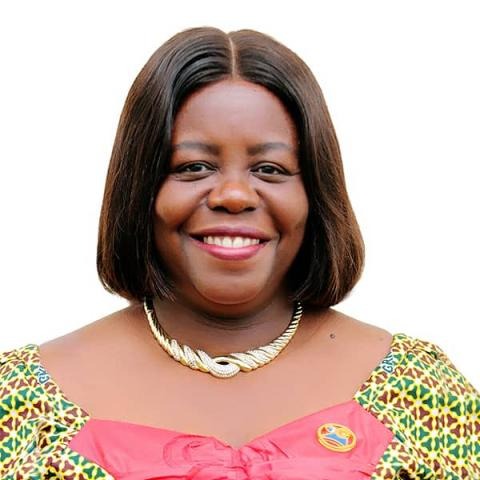
Similarly, GRNMA President, Perpetual Ofori-Amanfo, criticised the decision to publicly disclose the identities of the professionals involved, describing the move as unnecessary and potentially harmful to their mental health and careers.
Speaking on Joy FM, Madam Ofori-Amanfo said health workers operate under difficult systemic conditions and should not become targets of public humiliation.
“These individuals committed no crime in going through medical school or nursing college to serve this country. We know the systemic challenges in our health system, and emergency care does not always come with ideal conditions,” she stated.
She argued that the report could have referred to categories of professionals rather than publicly identifying individual doctors and nurses.
“If you are saying that the employer should address the matter or the regulatory body should address the matter, the communications, of course, will go, but there was no need. Is it to name and shame?” she questioned.
Beyond staffing concerns, sources also pointed to deteriorating infrastructure at some major hospitals, particularly Korle Bu Teaching Hospital, where malfunctioning air-conditioning systems, broken fans, overcrowding and poor ventilation reportedly continue to affect both patients and healthcare workers.
According to insiders, some dedicated staff continue to work under extremely difficult conditions despite shortages of equipment, limited space and increasing patient loads.
The committee’s report has therefore renewed calls for urgent reforms in the emergency healthcare system.
Among the key recommendations are the creation of a national emergency care fund to guarantee immediate treatment for critically ill patients regardless of their ability to pay, and a mandatory policy requiring all hospitals to stabilise emergency patients before referral.
The committee also recommended the full operationalisation of the Ghana Armed Forces Critical Care and Emergency Hospital as a national emergency resource accessible to the public.
Health Minister Kwabena Mintah Akandoh, during the presentation of the report, assured Ghanaians that the findings would not be ignored and pledged government’s commitment to implementing the recommendations.

“The most important aspect is for us to be able to avoid the avoidable deaths we have witnessed,” Mr Akandoh stated.
He further announced plans for the rollout of a national electronic bed management system aimed at improving patient allocation and reducing delays linked to the so-called “no-bed syndrome.”
“I want to repeat and assure the committee that your work will not be in vain. We’ll endeavour to implement all the recommendations in the best interest of Mother Ghana,” the minister added.
The investigative committee, established on February 23, 2026, included emergency medicine specialists, legal experts, emergency care nurses and senior officials from the Ministry of Health tasked with examining the sequence of events leading to Charles Amissah’s death and identifying failures within the emergency response system.