By Issah Olegor
The Mahama Government has announced a sweeping emergency response following the deadly jihadist attack in Titao, northern Burkina Faso, confirming that the number of Ghanaian victims has risen to eight.
The attack, which occurred on February 14, 2026, targeted members of the Ghana National Tomatoes Traders and Transporters Association who were engaged in lawful cross-border trade activities, marking one of the deadliest single incidents involving Ghanaian civilians in the Sahel in recent years.
In a press release issued by the Ministry of Foreign Affairs, the government disclosed that the initial seven victims were traders and transport operators attacked and killed during the assault.
A further casualty—also a member of the Association—later died from injuries sustained in the attack, bringing the confirmed Ghanaian death toll to eight.
Four other Ghanaians had suffered serious injuries and were receiving medical treatment before one succumbed.


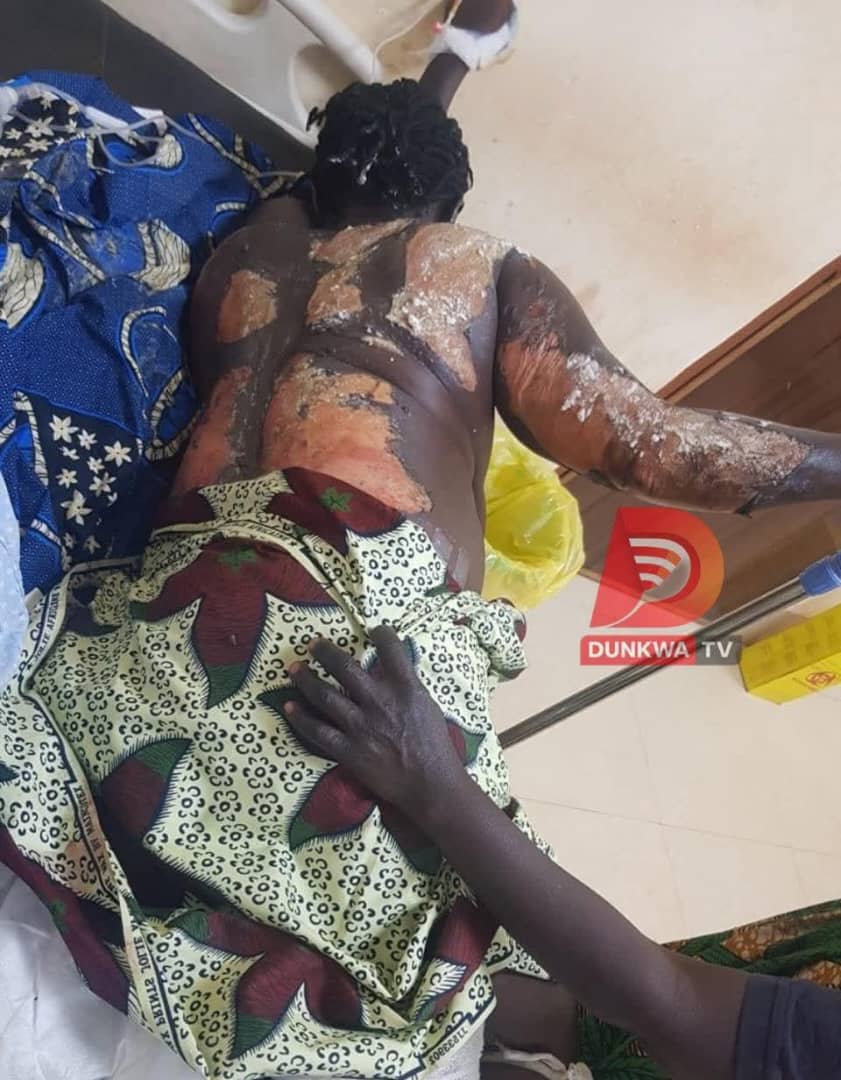
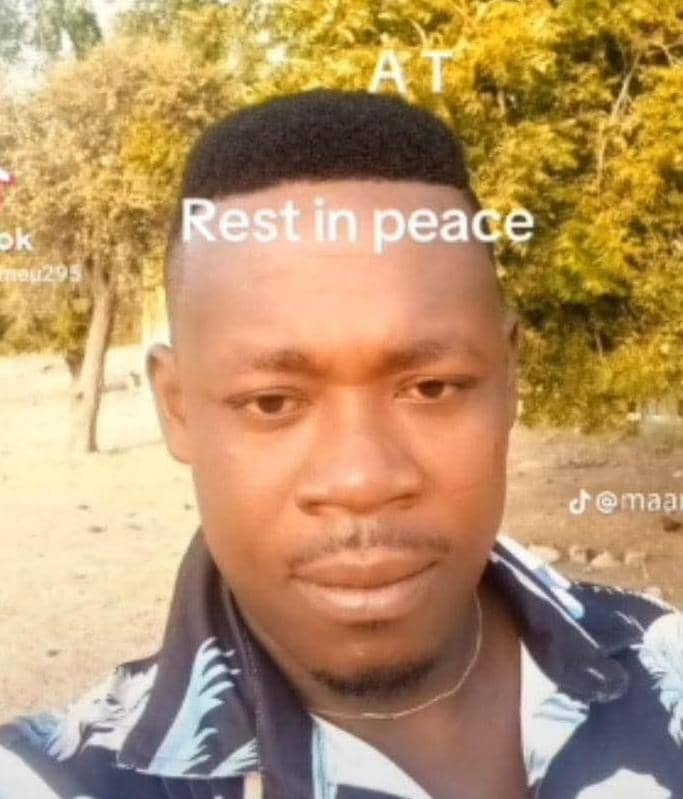


President John Mahama expressed profound condolences to the families of the deceased, while strongly condemning the “mindless act of terror.”
The government also expressed solidarity with the Burkinabè authorities and people, framing the incident as a shared regional tragedy rather than an isolated national crisis.
Against this backdrop, Ghana has taken the extraordinary step of ordering the immediate medical evacuation (medevac) of all injured Ghanaian nationals from Burkina Faso.
Acting on the direct instructions of President Mahama and following medical consultations, the government directed the Ghana Air Force to airlift the victims to Ghana for further treatment.
The evacuation operation is being coordinated by the Ambassador in Burkina Faso and embassy officials, who are maintaining direct contact with the injured compatriots on the ground.
The Government of Ghana also acknowledged the cooperation of the Burkinabè authorities, who granted all necessary approvals to facilitate the evacuation and other protective interventions.
Officials say this cooperation was crucial in enabling rapid action in a region where access is often restricted by insecurity and ongoing military operations.
The attack in Titao is part of a wider pattern of extremist violence that has plagued northern Burkina Faso since 2019. Armed jihadist groups linked to the Sahel insurgency have repeatedly targeted military installations, civilians, and commercial transport routes, turning once-stable trade corridors into high-risk zones.
Ghanaian traders—especially tomato and onion merchants—have long depended on these cross-border routes as part of West Africa’s informal but vital agricultural supply chain, making them particularly vulnerable to the deteriorating security environment.
In response to the tragedy, the Ministry of Foreign Affairs has issued new travel and security guidelines for Ghanaians.
Ghanaians already resident in high-risk countries have been urged to restrict movement, maintain regular contact with embassies, keep emergency contacts updated, and ensure identification documents are always accessible to facilitate rapid consular assistance if needed.
The government’s response follows mounting political pressure at home. The Minority in Parliament, led by Michael Okyere Baafi, MP for New Juaben South and Ranking Member on the Trade, Industry and Tourism Committee, had earlier demanded a parliamentary inquiry into the killings.
He publicly accused the administration of failing to protect Ghanaian traders, citing the absence of timely travel advisories, enhanced border patrols, and coordinated evacuation plans despite long-standing intelligence about insecurity in northern Burkina Faso.
He also called for the appearance of the Foreign Affairs Minister, Samuel Okudzeto Ablakwa, before Parliament to account for the government’s initial silence after the attack.
The Titao attack has also been linked to Jama’at Nasr al-Islam wal Muslimin (JNIM), an extremist group operating across Burkina Faso, Mali, and Niger, responsible for multiple assaults on civilians and security forces in the Sahel. Witness accounts indicate that attackers separated men from women, executed male traders and drivers, and set supply trucks ablaze—destroying both lives and livelihoods.
This aligns with the recent diplomatic posture, including President Mahama’s broader push for regional cooperation and his 2025 appointment of Retired Lieutenant Colonel Larry Gbevlo-Lartey as Special Envoy to the Alliance of Sahel States, aimed at rebuilding trust and strengthening counter-terrorism collaboration.