BY Nadia Ntiamoah
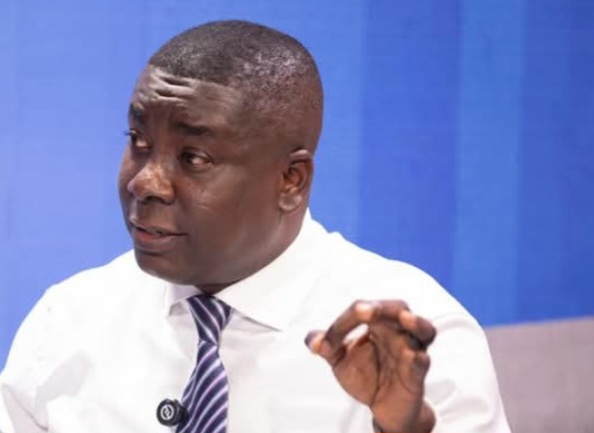
The overwhelming passage of a historic United Nations resolution recognising the transatlantic slave trade as “the gravest crime against humanity” has not only exposed deep global divisions but also highlighted the enduring legacy of a campaign first championed by former President Nana Addo Dankwa Akufo-Addo and brought to conclusion under John Dramani Mahama.
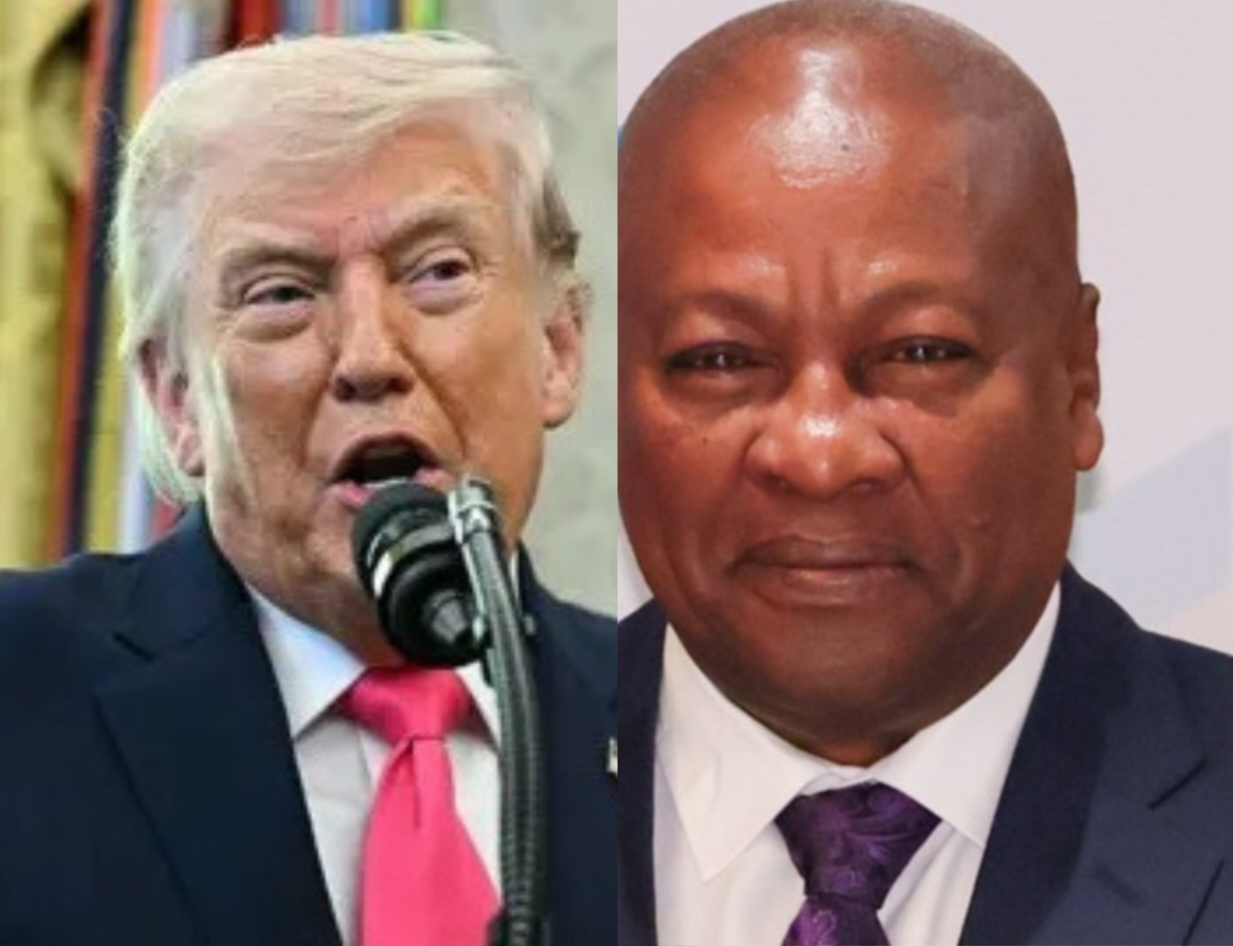
At the centre of the controversy is the United States, led by Donald Trump, which voted against the resolution alongside Israel and Argentina—standing in sharp contrast to the 123 countries that backed Ghana’s proposal at the United Nations General Assembly.
The resolution, spearheaded by Ghana, calls on member states to formally acknowledge the transatlantic slave trade as a crime against humanity, issue apologies, and contribute to a reparations framework aimed at addressing centuries of injustice. Though not legally binding, the motion carries significant moral and political weight in shaping global discourse on reparatory justice.
While the vote marked a diplomatic victory for Ghana and the African continent, it also underscored resistance from key Western powers. U.S. officials described the resolution as “highly problematic,” rejecting attempts to rank historical atrocities and opposing any legal basis for reparations tied to events that were not considered illegal under international law at the time.
This opposition comes amid broader criticisms of Trump’s approach to race and history. Policy groups and academics have accused his administration of downplaying Black history, pointing to education policies that discourage the teaching of systemic racism and concepts such as white privilege.
Yet, even as geopolitical tensions surfaced in New York, the roots of the resolution trace back to a deliberate and strategic effort initiated by Akufo-Addo years earlier.
In February 2023, at the African Union Assembly in Addis Ababa, Akufo-Addo successfully pushed for the adoption of a landmark decision to build a united African front on reparations. That unanimous endorsement transformed what had long been fragmented advocacy into a coordinated continental mission.
Later that year, in September 2023, Akufo-Addo elevated the issue onto the global stage during his address to the UN General Assembly, where he called for formal recognition of the slave trade as a state-sponsored crime requiring reparations.
The speech marked a defining moment, reframing the debate from historical reflection to a demand for justice.
The campaign gained further traction in November 2023 when Ghana hosted the Accra Reparations Conference. The resulting Accra Proclamation established a clear continental mandate, an actionable roadmap, and an institutional framework through the African Committee of Experts on Reparations.
By the end of his tenure, Akufo-Addo had effectively built the diplomatic infrastructure and continental consensus necessary to sustain the push at the global level. His administration also ensured continuity by supporting the creation of the African Union Champion on Reparations role.
When Mahama assumed office in January 2025, he inherited that mandate and stepped into the role of AU Champion, tasked with translating groundwork into tangible international action.
That moment came on March 25, 2026, when Mahama tabled the resolution before the UN General Assembly. In his address, he described the motion as a moral safeguard against historical amnesia, warning against global trends that seek to erase or distort the legacy of slavery.
The resolution also highlights the enduring consequences of slavery, noting that its legacy continues to manifest in racial inequality and economic disparities affecting Africans and the diaspora worldwide. It further calls for the return of looted cultural artefacts and broader systemic reforms.
Ghana’s moral authority on the issue is deeply tied to its history. As one of the principal departure points during the transatlantic slave trade, the country still bears physical reminders of that era, with slave forts and castles lining its coastline.
Over the years, initiatives such as the “Year of Return” have sought to reconnect the African diaspora with these historical roots.
Despite opposition from the United States and others, the resolution’s passage signals a shifting global consensus—one shaped largely by Africa’s unified voice under Akufo-Addo’s early leadership and sustained diplomatic pressure.