By Issah Olegor
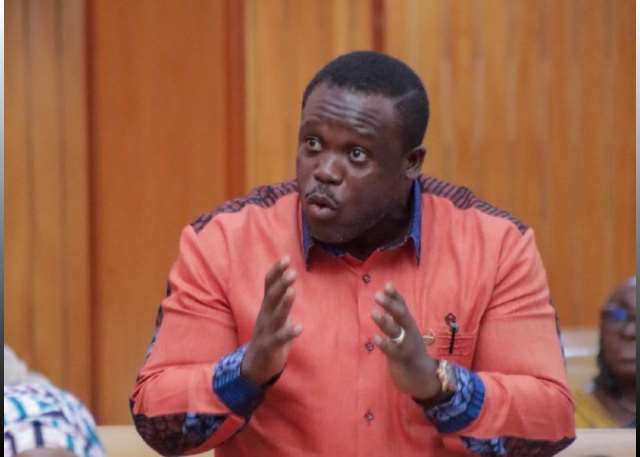
A brewing standoff between the Government of Ghana and MultiChoice Ghana, operators of DStv, has escalated into a full-blown regulatory crisis following a stern ultimatum from the Minister for Communication, Digital Technology and Innovation, Samuel Nartey George.
The Minister has warned that the South African-owned pay-TV provider faces imminent licence suspension if it does not reduce its subscription fees in Ghana by Wednesday, August 7, 2025.
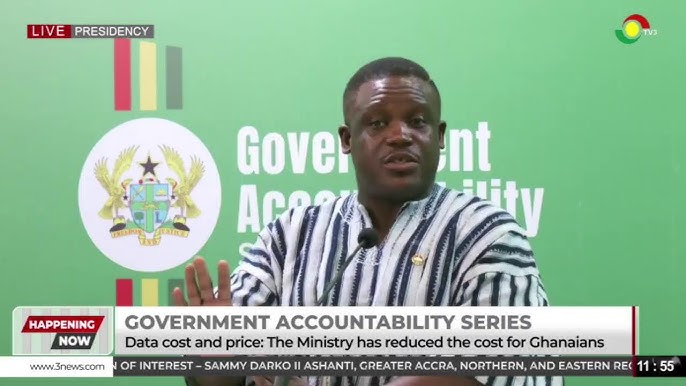
Speaking at the Government Accountability Series on August 1, the Minister said he had formally directed the National Communications Authority (NCA) to act against DStv, citing what he described as exploitative pricing practices.
“If by the 7th of August DSTV has not complied, their broadcasting licence will be suspended,” Sam George declared emphatically.
According to the Minister, the government’s demand for price reductions stems from longstanding complaints by Ghanaians about the high cost of DStv subscriptions, which many consumers say do not reflect local economic realities.
George criticized DStv’s justification for maintaining its current pricing—namely the depreciation of the Cedi—calling the argument insufficient and dismissive of the recent appreciation of the currency.
“DSTV claims the Ghanaian Cedi has depreciated by over 200% in the last eight years, and therefore, they cannot reduce their prices,” George said.
“But Ghanaians have been cheated for too long, and we cannot allow foreign companies to continue to take advantage of our people under the pretext of economic pressure.”
In response, MultiChoice Ghana issued a media statement on Saturday, August 2, expressing disappointment over the Minister’s approach and stressing the company’s openness to dialogue.
The statement, signed by Managing Director Alex Okyere, emphasized MultiChoice’s 30-year presence in Ghana and its commitment to constructive engagement.
“Regrettably, the Honourable Minister has taken this stance, notwithstanding our ongoing endeavours to engage with him candidly and in good faith,” the statement read.
The company revealed that it had submitted proposals to both the Minister and the NCA in hopes of finding a resolution through alternative engagement channels.
MultiChoice defended its pricing model, stating that despite a challenging macroeconomic climate, it strives to keep subscription costs as low as possible while maintaining quality services and wide consumer choice.
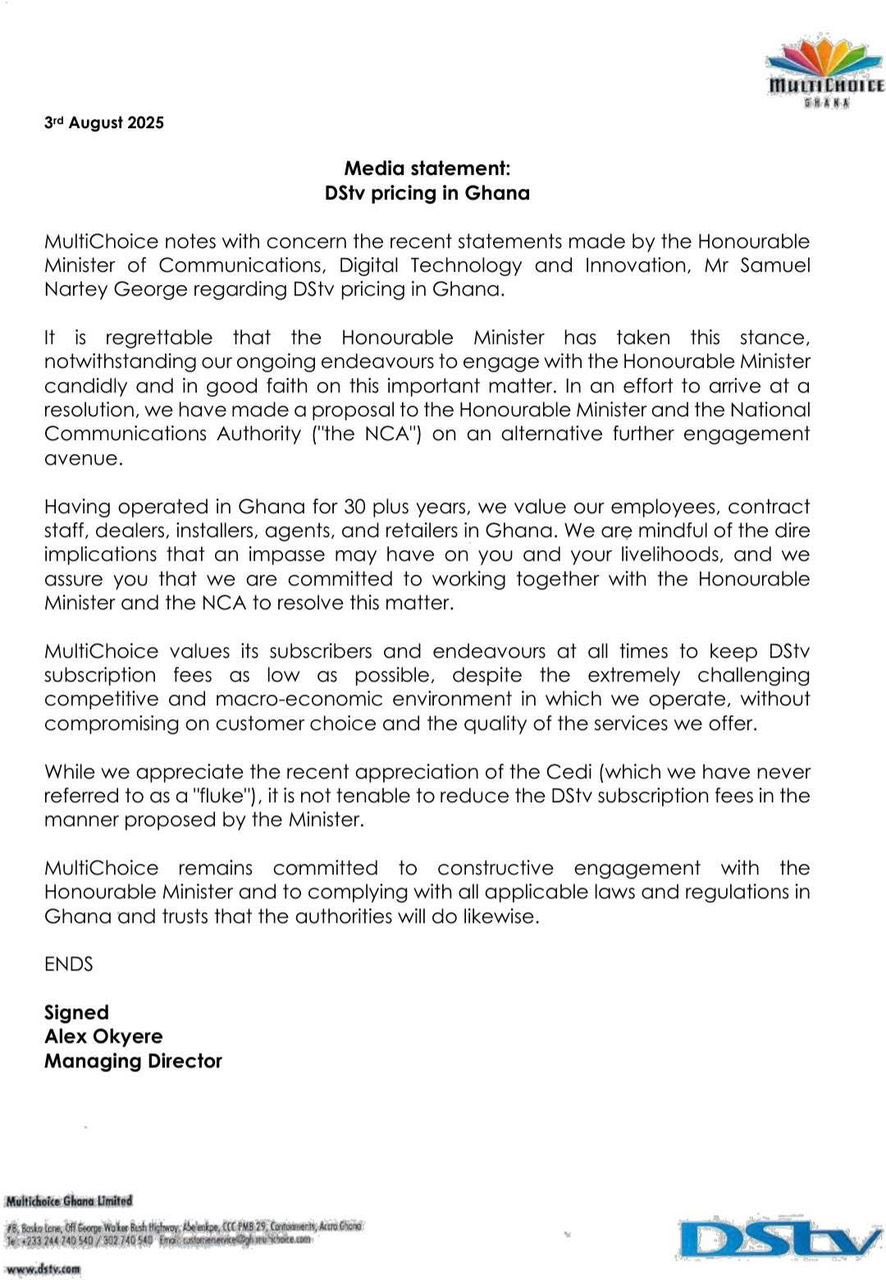
The company also denied ever describing the recent cedi appreciation as a “fluke,” a term reportedly attributed to it in political circles.
“While we appreciate the recent appreciation of the Cedi… it is not tenable to reduce the DStv subscription fees in the manner proposed by the Minister,” the company noted, cautioning that an impasse could have dire implications for its network of employees, agents, and partners in Ghana.
The company further reaffirmed its intention to comply with all relevant laws and regulations, and its willingness to work with government stakeholders to reach a mutually acceptable outcome.
The standoff places the NCA in the middle of a high-profile regulatory dilemma, as public sentiment grows increasingly divided.
While some Ghanaians support the Minister’s hardline stance, others fear that a suspension of DStv’s operations could disrupt entertainment, sports broadcasting, and employment for many.