By Daniel Bampoe
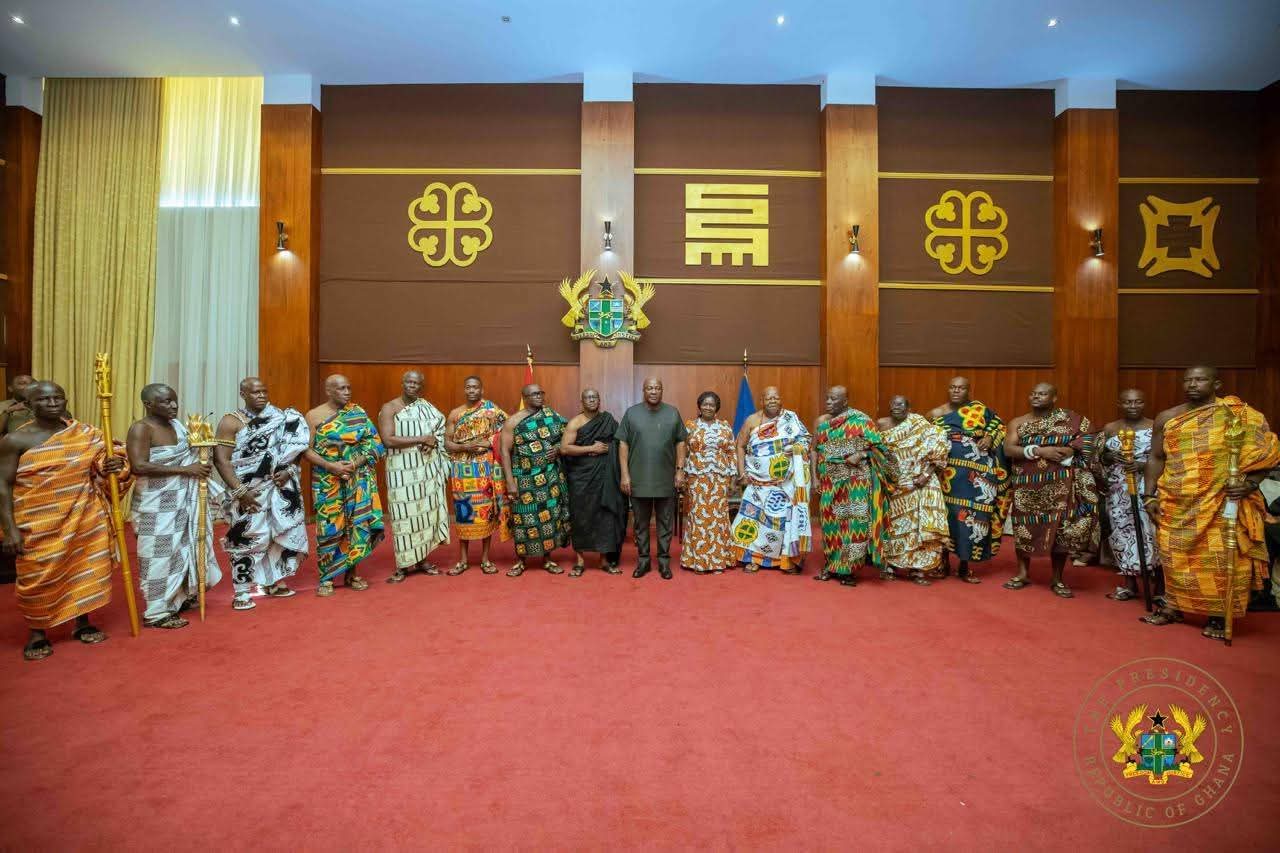
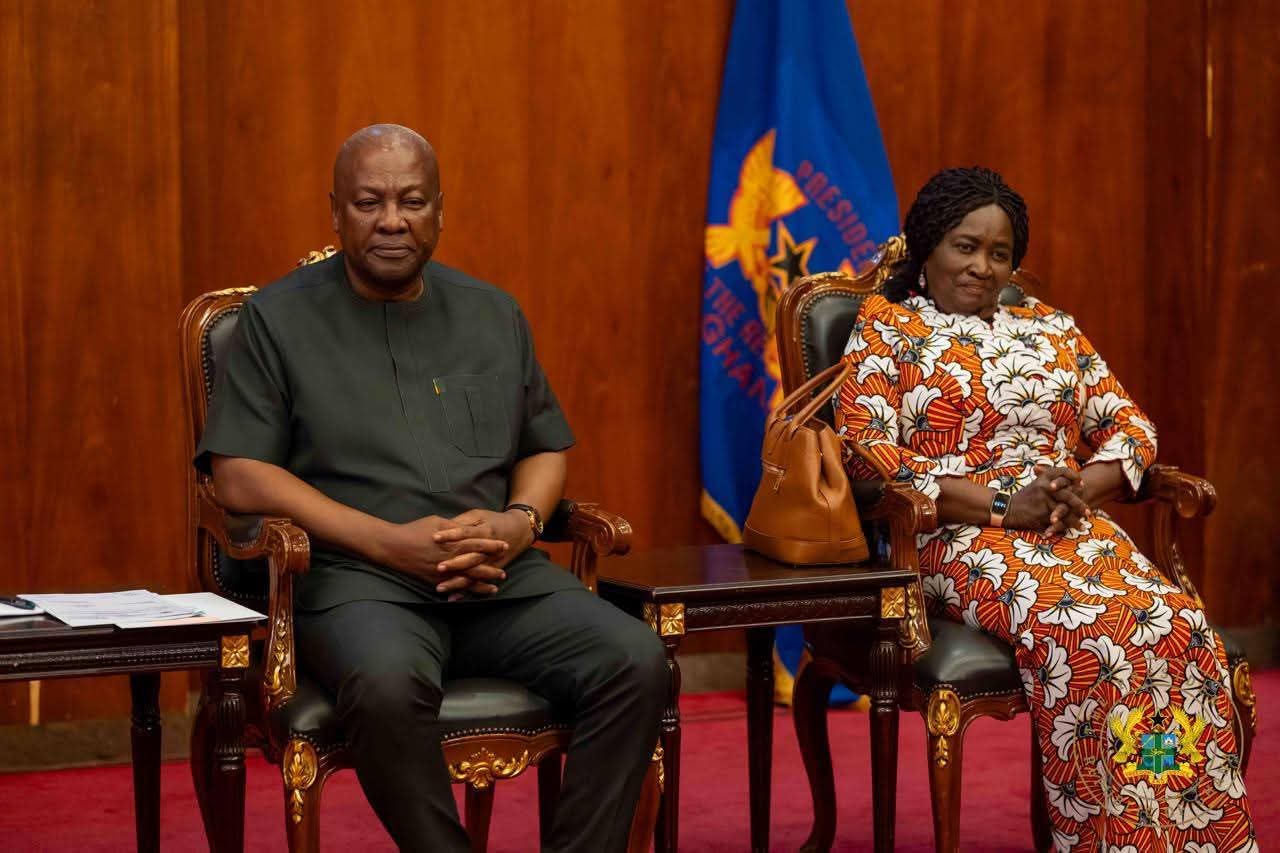
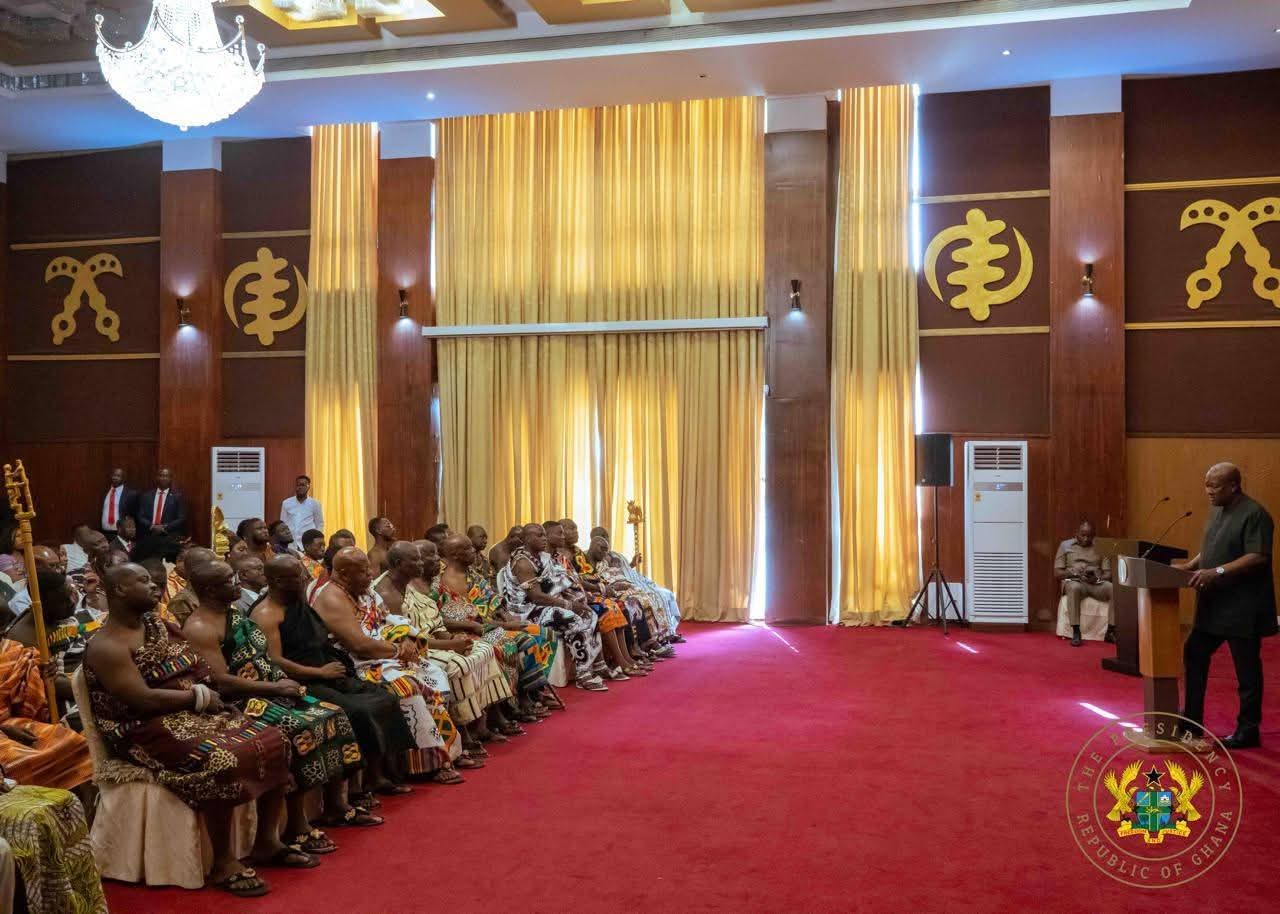
A powerful delegation of traditional rulers from the Eastern Region made a significant appearance at the Jubilee House on Wednesday, April 22, 2026, as they engaged President John Dramani Mahama in high-level discussions centered on development, economic recovery, and regional priorities.
The visit, led by the President of the Eastern Regional House of Chiefs, Nene Sakite II, brought together 11 Paramount Chiefs alongside the Eastern Regional Minister, Rita Akosua Adjei Awatey, and other government appointees from the region.
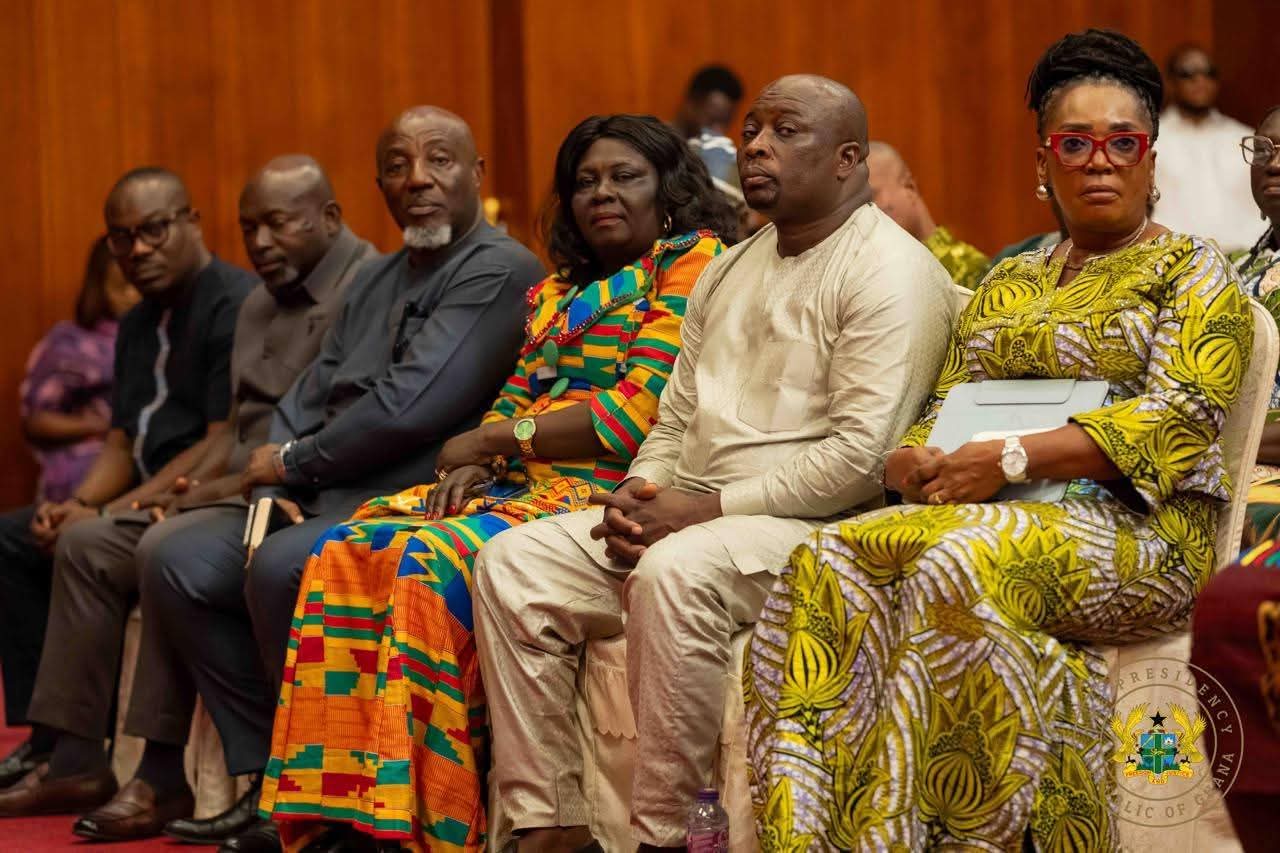
The engagement underscored the growing role of traditional authorities in shaping governance and influencing national policy direction.
Strong Traditional Representation
The delegation featured some of the most influential traditional leaders in the Eastern Region, including the Okyenhene, Osagyefuo Amoatia Ofori Panyin, Oseadeeyo Kwasi Akuffo III, Daasebre Akuamoah Agyapong II, and Odeneho Kwarfo Akoto III.
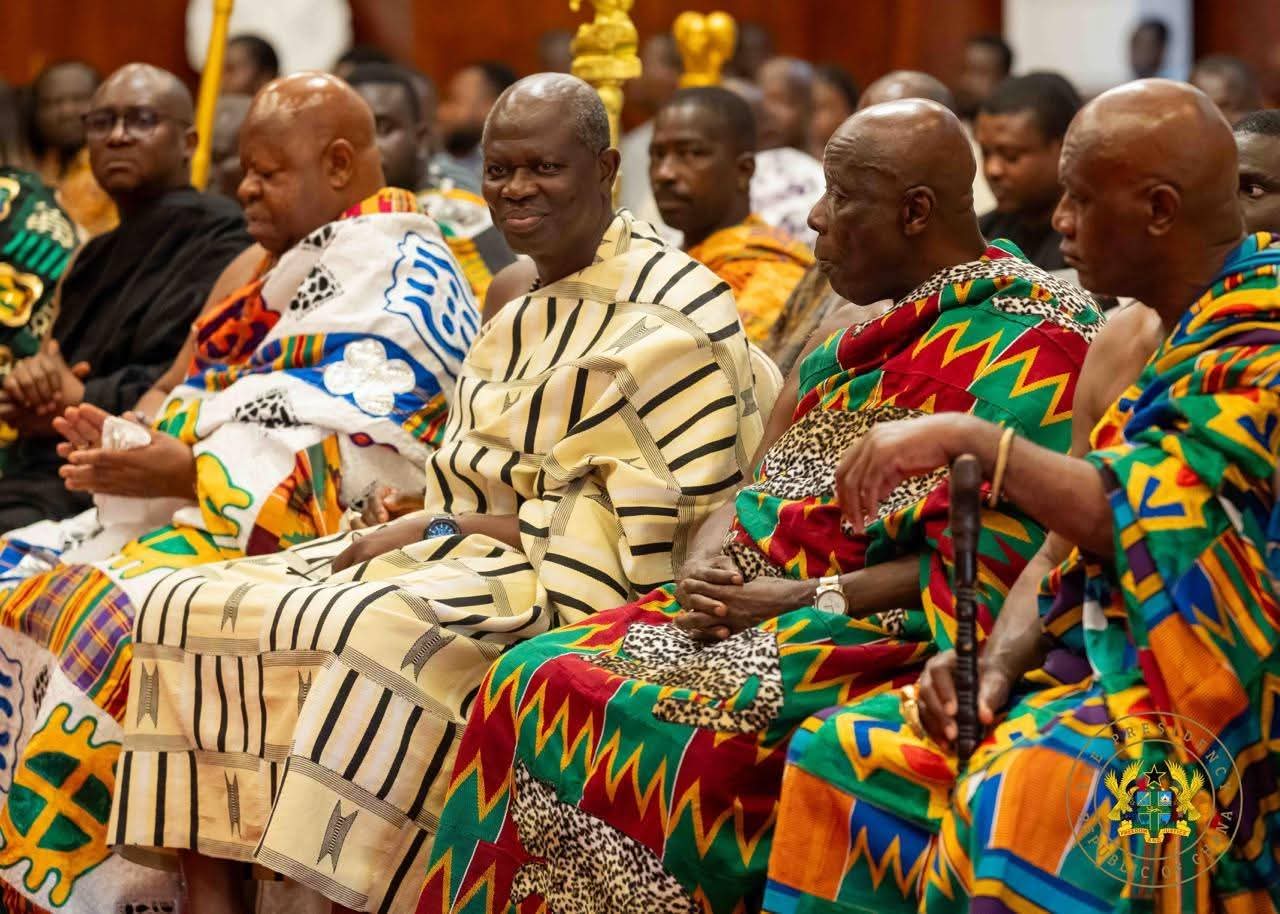
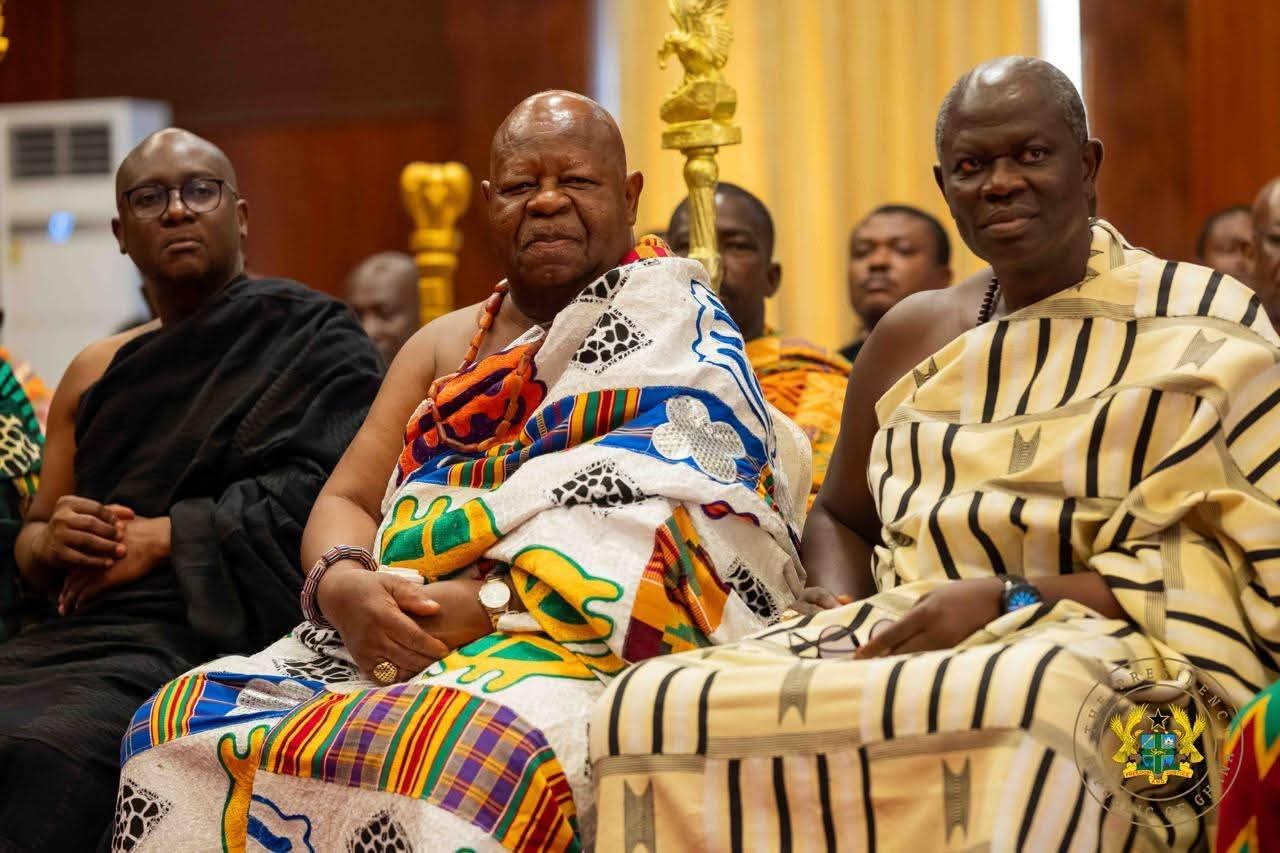
Others present were Daasebre Kwaku Boateng, Oklepeme Nuer Anorbaa Sasraku II, Akusiaku-Brempong Kumi Sasraku, Nana Osei Nyarko III, Oseadeeyo Dr. Frimpong Manso IV, and Okotwaasuo Kantamanto Owoare Agyeman III.
Their presence highlighted a unified front by traditional leaders seeking deeper collaboration with the central government on critical issues affecting their jurisdictions.
The visit comes against a backdrop of increasing calls for stronger partnerships between government and traditional institutions in Ghana.
Over the years, Houses of Chiefs—particularly in regions like the Eastern Region—have played pivotal roles in land administration, conflict resolution, and grassroots mobilization for development projects.
Successive governments, including the current administration, have leaned on these institutions to ensure policy acceptance at the local level, especially in areas such as infrastructure delivery, health interventions, and agricultural modernization.
Mahama Outlines Economic Recovery And Development Agenda
Addressing the chiefs, President Mahama painted a cautiously optimistic picture of the economic trajectory.
He pointed to improvements in macroeconomic stability, including declining inflation, a strengthening local currency, and the country’s ability to meet its debt obligations despite global economic pressures.
The President used the occasion to reaffirm his administration’s commitment to inclusive and balanced development, stressing that no region would be left behind in the national growth agenda.
He revealed that efforts are underway to operationalize the University of Engineering and Agricultural Sciences (UEAS) at Bunso—an initiative expected to boost technical education and agricultural innovation in the Eastern Region.
Local Governance And Infrastructure Push
A major highlight of the President’s address was the uncapping of the District Assembly Common Fund, a policy shift that now allows Metropolitan, Municipal, and District Assemblies (MMDAs) to retain up to 80 percent of their allocations.
According to him, this move is designed to accelerate grassroots development and support initiatives such as the rollout of a 24-hour economy through market expansion.
On healthcare, President Mahama assured the chiefs of the government’s commitment to completing the long-delayed Eastern Regional Hospital project.
He further announced plans for three additional hospital projects across the country to improve access to quality healthcare.
Tackling Youth Unemployment
Despite the outlined progress, the President acknowledged that youth unemployment remains a pressing national challenge. He emphasized the need for aggressive private sector growth, industrialization, and agricultural expansion as pathways to job creation.
He also reiterated the importance of flagship social interventions, including Free Primary Health Care and the Ghana Medical Trust Fund (MahamaCares), as part of broader efforts to improve living standards.
Chiefs–Government Partnership Strengthened
President Mahama concluded by expressing gratitude to the chiefs for their continued support and cooperation, noting that sustainable development cannot be achieved without the active involvement of traditional authorities.
The meeting signals a renewed alignment between the government and the Eastern Regional House of Chiefs, with both sides expected to deepen collaboration on development priorities in the months ahead.