By Daniel Bampoe
The tragic stampede at El-Wak Sports Stadium, which claimed six lives, all women and left dozens injured during the Ghana Armed Forces (GAF) recruitment exercise, has drawn the attention of Parliament, the President, and civil society, highlighting both the human cost of poor planning and the urgent need for reforms in national recruitment procedures.
Parliamentary Donation And Solidarity Visit
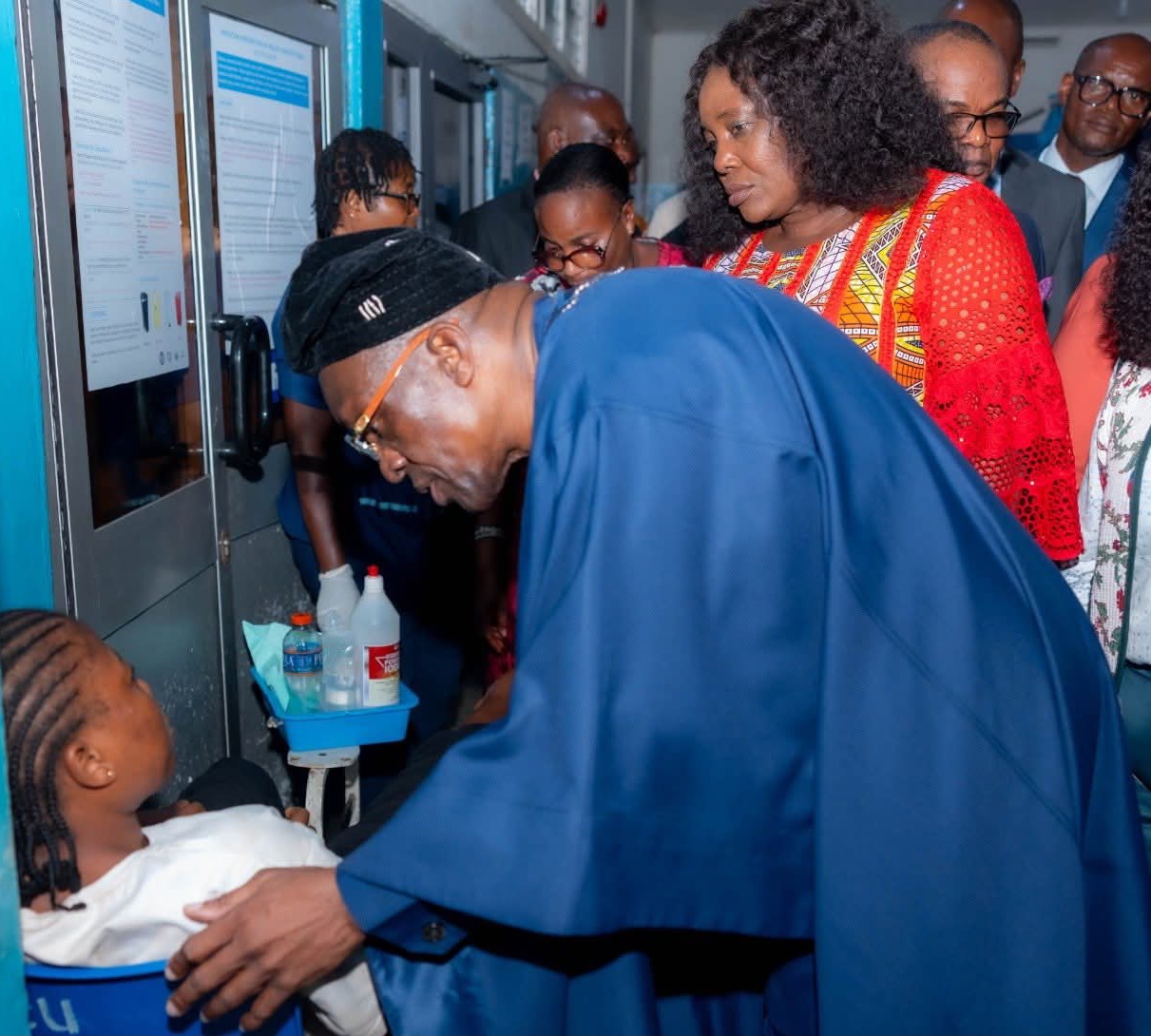
In a show of solidarity, Parliament of Ghana donated GH₵100,000 to support the treatment of the injured.
The donation was delivered during a visit to the 37 Military Hospital by Speaker of Parliament, Rt. Hon. Alban Sumana Kingsford Bagbin, who led a delegation of parliamentary leadership to console the victims and their families.

“This gesture is a token of Parliament’s commitment to the welfare of citizens affected by this tragedy,” Bagbin said.
The visit also provided an opportunity for Parliament to assess the situation on the ground and interact directly with hospital staff, medical teams, and families of the deceased.
The Speaker emphasized that Parliament would continue to provide support while pressing for institutional reforms to prevent future tragedies.
Poor Planning
Survivors and applicants have described the incident as a result of inadequate planning, overcrowding, and poor crowd control measures.
Many applicants traveled long distances and spent hours waiting, only to be thrust into chaos when gates opened.
“Everyone rushed forward at once. There are bigger centers like Independence Square or Burma Camp stadiums that could have been used. The planning was poor, and people were even chased with dogs,” one applicant recounted.
The applicants stressed that the Ghana Armed Forces could have better anticipated the numbers and implemented a system that grouped candidates, scheduled entry times, or used multiple venues to reduce congestion.
Government Response And Suspension of Activities
Following the tragedy, Acting Defence Minister Dr. Cassiel Ato Forson announced the suspension of recruitment activities in Accra and confirmed the death toll of six, with five critically injured in the ICU and 12 others seriously injured but stable. Recruitment in other regions continues smoothly.
An internal Board of Inquiry has been instituted by the Ghana Armed Forces to investigate the causes of the stampede and recommend preventive measures.
Authorities have urged the public to disregard unverified reports circulating on social media.
Parliament Calls for Systemic Reforms
On the floor of Parliament, Speaker Bagbin called for urgent reforms in the GAF recruitment process, citing the burden on the Acting Minister and the need for a substantive Minister for Defence to provide full reports and oversight.
“It’s not because the current acting minister is incapable, but the pressures are enormous. We need someone who can provide full reports and address these issues,” he said.
The Speaker further suggested a continuous recruitment system, rather than the current periodic approach, to prevent overcrowding, backlogs, and rushed procedures that endanger lives.
“Why wait to do it once every year or two, creating backlogs that lead to rushed processes and unfortunate incidents?” he questioned.
The Parliamentary Committee on Defence and Interior has been tasked with engaging the Ministry of Defence and presenting recommendations to improve the safety, efficiency, and transparency of recruitment exercises.
Previous Context And Public Outcry
The El-Wak tragedy is part of a long history of overcrowding and mismanagement during public recruitments in Ghana.
Civil society organizations, including CUTS International, have repeatedly called for amendments to the Public Order Act to enforce crowd management, emergency preparedness, and safety standards for large gatherings.
Applicants’ complaints, government investigations, and parliamentary interventions underscore the urgent need for a holistic review of recruitment procedures.
The tragedy also exposes the desperation among Ghanaian youth seeking employment in structured institutions like the GAF, which offer job security and benefits amid high national unemployment rates.