
BY ISSAH OLEGOR
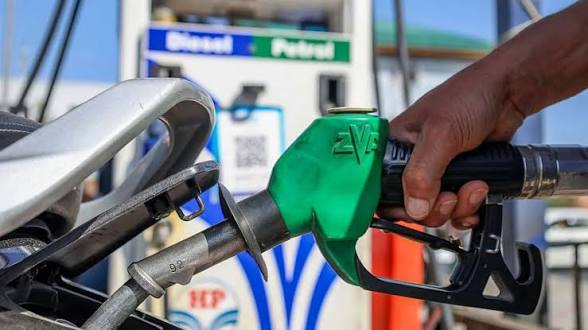
Ghana’s dependence on imported petroleum products continued to dominate the country’s import bill in 2025, with new data from the Ghana Statistical Service (GSS) revealing that diesel and petrol alone accounted for more than one-fifth of all goods imported into the country during the year.
The latest findings, contained in the 2025 Annual International Merchandise Trade Statistics Report, show that diesel imported for the Tema Oil Refinery (TOR) emerged as Ghana’s single largest import, highlighting the country’s continued reliance on imported refined fuel despite longstanding efforts to revive domestic refining capacity.
According to the report, diesel imports were valued at GH¢28.46 billion, representing 11.2 percent of Ghana’s total import bill for 2025.
Light oils, including motor spirit (super), ranked as the country’s second-largest import after recording a value of GH¢23.24 billion, accounting for another 9.2 percent of total imports.
Combined, diesel and petrol imports reached an estimated GH¢51.7 billion, meaning that more than 20 percent of every cedi Ghana spent on imports in 2025 went into purchasing refined petroleum products from abroad.
The figures underscore the enormous pressure fuel imports continue to place on Ghana’s foreign exchange reserves and overall trade balance, while raising fresh concerns about the country’s heavy dependence on imported petroleum products.
Industry analysts have long argued that strengthening domestic petroleum refining remains critical to reducing the country’s import expenditure, improving energy security and easing pressure on the cedi by lowering demand for foreign currency used to finance fuel imports.
Successive governments have announced plans to modernise and revive the Tema Oil Refinery, which was established to refine crude oil locally and reduce dependence on imported refined products. However, operational and financial challenges have limited the refinery’s capacity over the years, forcing the country to rely heavily on imported fuel to meet growing domestic demand.
Beyond petroleum products, the Ghana Statistical Service report identified used vehicles with engine capacities ranging between 1,500cc and 3,000cc as Ghana’s third-largest import in 2025, with purchases valued at GH¢9.33 billion.
Crude petroleum ranked fourth, recording imports worth GH¢5.78 billion, while cement clinkers, a key raw material used in cement manufacturing, completed the top five imports with a value of GH¢4.76 billion.
The report further listed off-highway dumpers, used vehicles with engine capacities between 1,000cc and 1,500cc, self-propelled bulldozers, processed cereal grains and frozen chicken among the country’s ten most imported commodities during the year.
According to the Ghana Statistical Service, the top ten imported commodities together accounted for 34.3 percent of Ghana’s total imports, while all other imported goods made up the remaining 65.7 percent.


