BY Grace Zigah
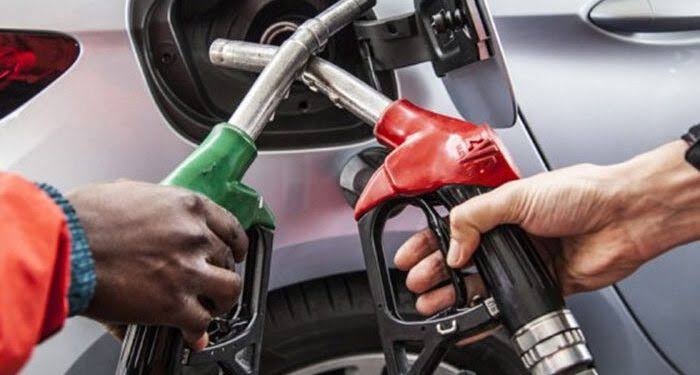
Ghanaian motorists and businesses are bracing for an imminent increase in fuel prices, as the Chamber of Petroleum Consumers (COPEC) announced that petrol, diesel, and Liquefied Petroleum Gas (LPG) could see notable upward adjustments starting Monday, 16th February 2026.
The rise, projected at up to 3.26% on ex-pump prices, is attributed to a combination of a weakening local currency and rising international fuel costs.
According to COPEC’s analysis, the second pricing window for February 2026 is expected to see petrol prices rise by 1.97%, diesel by 2.73%, and LPG by as much as 3.26%.
This adjustment comes after international benchmarks for refined petroleum products experienced a significant uptick over the past two weeks, with petrol prices climbing approximately 4%, diesel 5%, and LPG 6%.
Speaking on Channel One Newsroom on Saturday, 14th February, COPEC Executive Secretary Duncan Amoah explained that the domestic market has been heavily impacted by external dynamics.
“We are dealing with international factors or dynamics. What you have is a situation where the international market has gone up slightly… We also have the cedi nose down a little by GH¢1. If you put the two together, you will clearly not have the same price. So, we will pay more by Monday, unfortunately,” he said.
The Cedi’s recent depreciation against the US Dollar has compounded the strain on local fuel prices.
Over the same fortnight, the local currency shed roughly GH¢1 in value, making imported fuel more expensive for bulk distributors and Oil Marketing Companies (OMCs).
This development comes at a time when Ghana is already grappling with inflationary pressures in other sectors, amplifying concerns about the cost of living for households and businesses alike.
Despite the anticipated price surge, Amoah indicated that the market may not immediately pass the full brunt of the international increase to consumers.
Competition among OMCs and the current stock levels of fuel are expected to slightly moderate the adjustments.
“When you look at the numbers, instead of getting between 3–6%, you might get the market do between 2–3%. But whatever happens, the market will not be able to hold without adjusting upwards. As of Friday, what the market was buying, they were buying a bit higher in anticipation of the price hike,” he noted.
Historically, fuel price adjustments in Ghana have often mirrored fluctuations in the global oil market and movements of the Cedi, which tends to be sensitive to international trade dynamics.
Analysts warn that with continued volatility in both the local currency and global fuel prices, Ghanaian consumers should prepare for further adjustments in the coming months.