
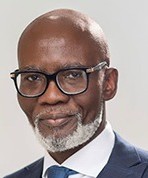
BY DANIEL BAMPOE
Founder and Executive Chairman of the Africa Prosperity Network (APN), Gabby Asare Otchere-Darko, has warned that the growing preference among financial institutions to lend to governments rather than businesses could undermine Africa’s industrialisation and weaken efforts to achieve economic integration across the continent.
He argues that although government securities often offer attractive returns with fewer operational risks, the trend can divert much-needed capital away from manufacturers, agribusinesses and other productive enterprises that are essential for job creation and economic growth.
In an article on Africa’s economic integration, Otchere-Darko said the challenge of financing African businesses must become a central part of the continent’s development agenda, particularly as countries work towards implementing the African Continental Free Trade Area (AfCFTA).
He noted that intra-African trade currently accounts for only about 16 to 17 per cent of the continent’s total trade, despite the potential benefits of a larger integrated market serving Africa’s population of approximately 1.5 billion.
According to him, improving trade across African borders will require more than removing tariffs and other conventional trade barriers. Governments must also address restrictions on movement, fragmented payment systems and the limited availability of affordable financing for businesses.
Otchere-Darko identified visa-free travel and interconnected digital payment systems as two immediate opportunities for accelerating intra-African trade.He said research by the Africa Prosperity Network suggests that implementing these two measures could increase intra-African trade to more than 25 per cent within the first five years.
Under such an arrangement, traders and consumers would be able to move more freely across borders and conduct transactions using their mobile money wallets, without having to navigate complicated currency conversion and payment arrangements.
He illustrated the potential benefits with the example of a tailor in Bamako, Mali, who could advertise clothing on social media and receive an order from a customer in Maputo, Mozambique, with payment made in the customer’s local currency and received by the seller in West African CFA francs.
He argued that making such transactions easier would encourage investment in transportation, logistics and other infrastructure needed to move goods efficiently across African markets.
The APN founder also welcomed President John Dramani Mahama’s remarks in Moscow on October 29, 2026, where the Ghanaian leader called for local-currency trade settlements, integrated digital payments and increased local processing of Africa’s mineral and agricultural resources.
Otchere-Darko said the President’s position brought together two important priorities: increasing the value of goods produced within Africa and making it easier for those goods to be traded across the continent.
However, he stressed that the benefits of an integrated African market would remain limited if businesses lacked access to affordable capital to expand production and meet growing demand.
He maintained that easier movement of people and money must be accompanied by policies that make investment in African enterprises more attractive.
He explained that when governments borrow heavily through Treasury bills and bonds, financial institutions may find it more attractive to invest in government securities because they offer relatively predictable returns without the operational demands and risks associated with financing businesses.
This, he said, creates difficulties for manufacturers that need capital to acquire machinery, secure reliable electricity and employ skilled workers.Agribusinesses also face challenges associated with weather conditions, seasonal cash flows and the risks involved in production, making it more difficult for them to compete for financing when government securities offer attractive returns.
Otchere-Darko acknowledged that government bonds can support infrastructure development and other investments that benefit businesses. However, he warned that persistent budget deficits and excessive government borrowing could absorb scarce savings, increase borrowing costs and restrict access to credit for private enterprises.
He further observed that high nominal returns on government securities do not always translate into high real returns, particularly when inflation and currency depreciation erode their value.
Drawing a comparison with the United States, Otchere-Darko pointed to concerns about financialisation, a situation in which financial returns and shareholder valuations increasingly influence business decisions, sometimes at the expense of expanding productive capacity.
He argued that while the United States developed a strong industrial base before these concerns became prominent, Africa faces a different challenge because many countries on the continent have yet to industrialise at the scale required to meet the needs of their populations.
He cautioned that Africa cannot afford to divert capital away from production before establishing a strong industrial foundation.In his view, a functioning continental market would create opportunities for factories, agricultural processing companies and regional supply chains.
However, he said market access alone would not provide businesses with the machinery, working capital and other resources required to fulfil orders.


