
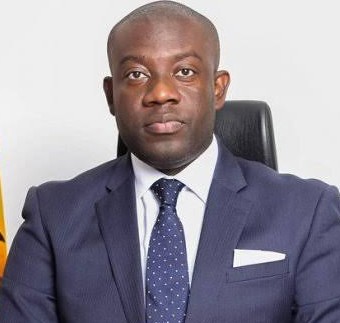
Former Information Minister and Member of Parliament for Ofoase-Ayirebi, Kojo Oppong Nkrumah, has called for renewed efforts to strengthen the protection of journalists in Ghana, urging the government to sustain and improve existing mechanisms designed to prevent attacks and intimidation against media practitioners.
He said protecting press freedom requires more than recognising the importance of journalism, stressing the need for practical measures to ensure that journalists can carry out their professional responsibilities without fear of violence, harassment or intimidation.
Speaking in connection with the International Day to End Impunity for Crimes Against Journalists, Mr Oppong Nkrumah said the occasion should serve as a reminder that attacks against journalists remain one of the methods through which individuals and institutions attempt to undermine press freedom and restrict freedom of expression.
According to him, the issue goes beyond physical attacks on media practitioners to include broader efforts aimed at limiting the ability of journalists and other citizens to freely express themselves and participate in public discussions.
He explained that crimes against journalists must be understood within the wider context of attempts to weaken independent journalism and prevent media practitioners from performing their watchdog responsibilities.
The former Information Minister acknowledged the importance of protecting the democratic space, but expressed concern about developments in Ghana over the past one or two years, which he believes require greater attention from government and other stakeholders.
He cited what he described as instances of trumped-up charges, arrests and detentions involving individuals over statements they were alleged to have made, including situations where national security considerations were invoked.
He argued that the use of such measures to restrict expression could undermine public confidence in democratic institutions if not carefully addressed.
Mr Oppong Nkrumah cautioned the current administration against becoming complacent because of perceived goodwill from sections of society or the apparent silence of some civil society organisations.
He said governments must remain committed to protecting the rights of citizens, including those who express critical opinions, because the ability to speak freely is fundamental to democratic governance.
He maintained that Ghana must continue strengthening the environment for free expression and ensure that existing democratic protections are not weakened.
Recalls journalists’ safety mechanism introduced under his tenure
The Ofoase-Ayirebi MP also reflected on measures introduced during his tenure as Minister for Information to improve the safety of journalists and strengthen accountability in cases involving attacks on media practitioners.
He specifically recalled the Coordinated Mechanism on the Safety of Journalists, established through the National Media Commission (NMC), as one of the major interventions introduced to address the growing concerns surrounding attacks and intimidation against journalists.
The mechanism was designed to provide an organised framework for reporting, documenting and following up on incidents involving threats and attacks against media practitioners.
According to Mr Oppong Nkrumah, the arrangement was also intended to ensure that the Ghana Police Service responded appropriately to reported cases and provided updates on investigations and legal actions taken.
He explained that the framework sought to make law enforcement agencies more accountable by requiring them to report on the progress of investigations into attacks against journalists.
The expectation was that the Police Service would provide periodic updates, including annual reports, on cases reported to it and the actions taken to address them.
He said the mechanism was important because merely condemning attacks against journalists would not resolve the problem unless perpetrators were investigated and held accountable.
Police asked to provide updates on attacks in 2023
The former minister’s comments bring renewed attention to an announcement made by the Ministry of Information on October 29, 2023, when he called on the Ghana Police Service to provide regular updates on investigations and legal actions concerning attacks on journalists.
Speaking at the 27th Ghana Journalists Association (GJA) Media Awards, Mr Oppong Nkrumah expressed concern about what he described at the time as an increasing trend of attacks and intimidation against journalists and media organisations.
He disclosed that information available to the Ministry of Information suggested that the situation was worsening, warning that the trend posed a threat to Ghana’s democratic credentials.
He stressed that journalists should not have to fear for their safety while performing their professional duties, describing journalism as an important service to the nation.
At the time, he identified the absence of swift and serious consequences for perpetrators as one of the factors contributing to the persistence of attacks against media practitioners.
He consequently called on the Police Service to expedite investigations into reported cases and ensure that individuals responsible for attacks were held accountable.
The Ministry also highlighted the Coordinated Mechanism on the Safety of Journalists as part of government’s interventions to address the problem.
Other measures included collaboration with civil society organisations and relevant stakeholders to educate state and non-state actors on the importance of journalists’ safety.
Government also indicated its commitment to supporting media associations and media owners to improve working conditions and safeguard the rights of journalists.
Urges government not to allow safety mechanism to become inactive
Despite the interventions introduced during his tenure, Mr Oppong Nkrumah expressed concern that the Coordinated Mechanism on the Safety of Journalists was not receiving the level of attention needed to sustain its objectives.
He said he had not seen much further action around the mechanism and urged the current administration not to allow the initiative to die.
According to him, maintaining and strengthening the arrangement would provide a more effective system for protecting journalists and ensuring that attacks against them receive the necessary institutional attention.
He further observed that the practice of journalism had evolved, particularly with the expansion of digital platforms, which had widened the space within which people produce and share information.
He therefore argued that measures to protect press freedom must also reflect the changing nature of journalism and the growing number of people participating in public communication.
Mr Oppong Nkrumah maintained that the safety of journalists should be treated as a shared national responsibility involving government, law enforcement agencies, media organisations, civil society groups and the general public.


