BY ISSAH OLEGOR
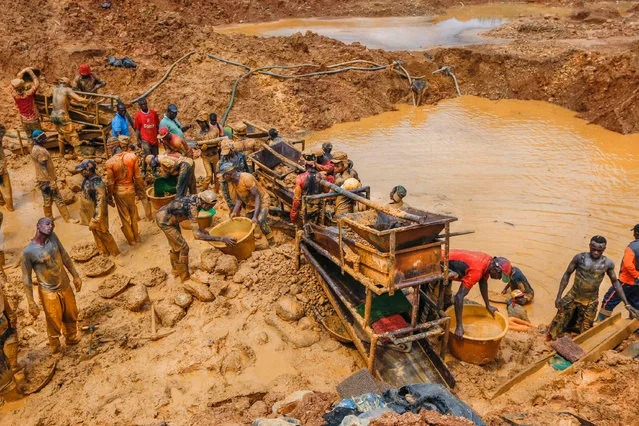
Research by the CSIR-Water Research Institute (CSIR-WRI) has revealed that nearly 60 percent of Ghana’s water bodies are polluted, with illegal mining identified as a major contributor to the contamination.
Research Scientist at the CSIR-WRI, Dr Franklin Obiri-Nyarko, disclosed the findings in an interview with Starr News, warning that the scale of pollution poses a serious threat to Ghana’s water security, public health, agriculture and livelihoods.
According to the research, although pollution of Ghana’s water resources is caused by several activities, including agriculture, industrial discharges and other human activities, illegal mining remains a significant source of the problem.
Dr Obiri-Nyarko said research conducted by the institute had produced a map showing areas where illegal mining activities are taking place and their relationship with the affected water bodies.
“Clearly, it shows that galamsey is a major contributor of the pollution,” he said.
Threat to water security
The scientist warned that the consequences of the pollution could extend beyond rivers and streams, stressing that Ghana’s dependence on surface water for agriculture, food production and other human needs makes the situation particularly worrying.
He explained that surface water systems are hydrologically connected to groundwater aquifers, meaning contamination of rivers and streams could eventually affect underground water sources.
This, he said, could expose communities to longer-term risks while reducing the availability of safe water for domestic and productive purposes.
The CSIR-WRI researcher cautioned that some of the affected water bodies could take an extremely long period to recover naturally, even if illegal mining activities were stopped immediately.
He therefore argued that relying solely on natural recovery would not be sufficient to restore the country’s polluted water resources.
“These people are all going to be denied of the benefits of these water bodies. And that is going to be a long time,” Dr Obiri-Nyarko said.
CSIR calls for active remediation
According to him, Ghana must instead adopt what he described as sustainable integrated remediation to restore water bodies that have suffered extensive pollution.
He explained that remediation efforts must go beyond treating polluted rivers after contamination has occurred and must address the source of the pollution.
“If you want to address it sustainably, you must look at it from the source,” he said.
Dr Obiri-Nyarko stressed that efforts to clean up polluted rivers would have limited impact if illegal mining and other activities responsible for the contamination were allowed to continue.
“You cannot sustainably remediate the river if the source has not been dealt with,” he added.
He said the source of the pollution must either be stopped completely or significantly reduced before remediation interventions could produce sustainable results.
Call for stronger action against galamsey
The CSIR-WRI scientist subsequently called on the Mahama-led government to intensify its efforts to tackle illegal mining and protect Ghana’s water resources.
His concerns come amid continuing national debate over the environmental impact of illegal mining, particularly the destruction and contamination of rivers and other water bodies.
The latest CSIR-WRI findings add scientific weight to concerns that the galamsey crisis is no longer solely an environmental issue but also a growing threat to Ghana’s water security, agriculture, public health and the livelihoods of communities that depend on affected water bodies.
Dr Obiri-Nyarko’s warning also underscores the urgency of dealing with the sources of pollution while investing in long-term restoration programmes for water bodies that have