BY ISSAH OLEGOR
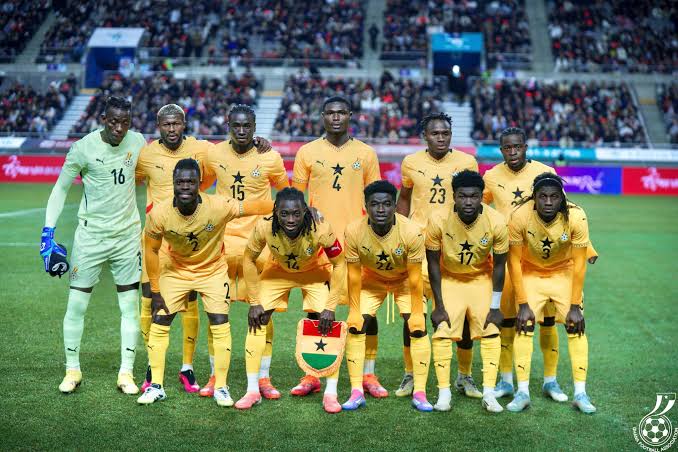
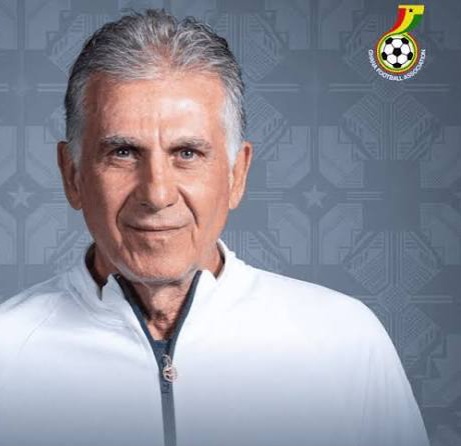
Ghana has taken a markedly different path from several of its African rivals following the 2026 FIFA World Cup, choosing to retain Carlos Queiroz as Black Stars coach despite growing pressure for national teams to make major technical changes after the tournament.
The Ghana Football Association has reached an agreement with the Portuguese coach to continue leading the Black Stars, effectively giving him another opportunity to build on his World Cup campaign and deliver success in the next phase of Ghana’s football programme.
The decision has immediately raised questions over whether Ghana has made the right call by prioritising continuity at a time when several other major African football nations have decided that a change of leadership is necessary.
Queiroz’s previous mandate came to an end a few weeks after the World Cup, where he guided Ghana into the knockout stage for the first time since the 2010 tournament. His retention means the GFA has placed considerable confidence in his ability to take the team forward rather than starting another rebuilding exercise with a new coach.
But the decision also comes with considerable expectations.
Ghana failed to qualify for the previous Africa Cup of Nations and cannot afford another major setback in the next qualifying campaign. With the 2027 AFCON qualifiers now approaching, Queiroz will be expected to demonstrate quickly that retaining him was more than simply a decision based on familiarity.
Ghana is not alone in choosing stability.
Morocco have retained Mohamed Ouahbi, Egypt will continue under former national team striker Hossam Hassan, while the Democratic Republic of Congo have kept French coach Sebastien Desabre.
The four countries have therefore resisted the post-World Cup coaching upheaval that has swept through other parts of African football.
However, the contrasting decisions elsewhere make Ghana’s choice particularly interesting.
South Africa have replaced Hugo Broos with Pitso Mosimane, while Côte d’Ivoire opted not to renew Emerse Fae’s contract and subsequently appointed experienced French coach Herve Renard.
Senegal have also moved in a new direction after ending their relationship with Pape Thiaw and appointing Patrick Vieira. Algeria, meanwhile, parted ways with Vladimir Petkovic by mutual consent.
The changes suggest that several football associations believe a new coaching philosophy is required to move beyond the World Cup and prepare their teams for the next cycle.
Ghana, by contrast, has effectively decided that Queiroz deserves more time.
That decision will now be judged primarily by results.
The Portuguese coach will have little time to settle into his new mandate because Ghana’s first major assignments are already on the horizon. The Black Stars will travel to Côte d’Ivoire on September 24 before hosting The Gambia on September 27 in two important Group C AFCON qualifiers.
Those matches could provide an immediate answer to some of the questions surrounding the GFA’s decision.
A strong start would strengthen the argument that Ghana was right to avoid another coaching transition. Failure to deliver, particularly after the country missed the previous AFCON tournament, could instead intensify criticism of the decision to retain Queiroz.
The coach also inherits a squad that has undergone significant scrutiny over the past international cycle. His World Cup experience gives him an advantage because he already understands the players, the dressing room and the competitive demands surrounding the Black Stars.
But familiarity can also become a weakness if it prevents difficult decisions from being made.
Queiroz will therefore be under pressure to demonstrate that his continued presence does not mean an automatic return for established players regardless of form. His new mandate must be judged by how effectively he refreshes the squad, addresses weaknesses and builds a team capable of competing for continental honours.
The September fixtures will be particularly revealing because they come against opponents with their own ambitions and, in Côte d’Ivoire’s case, a newly appointed coach in Herve Renard.