By Daniel Bampoe
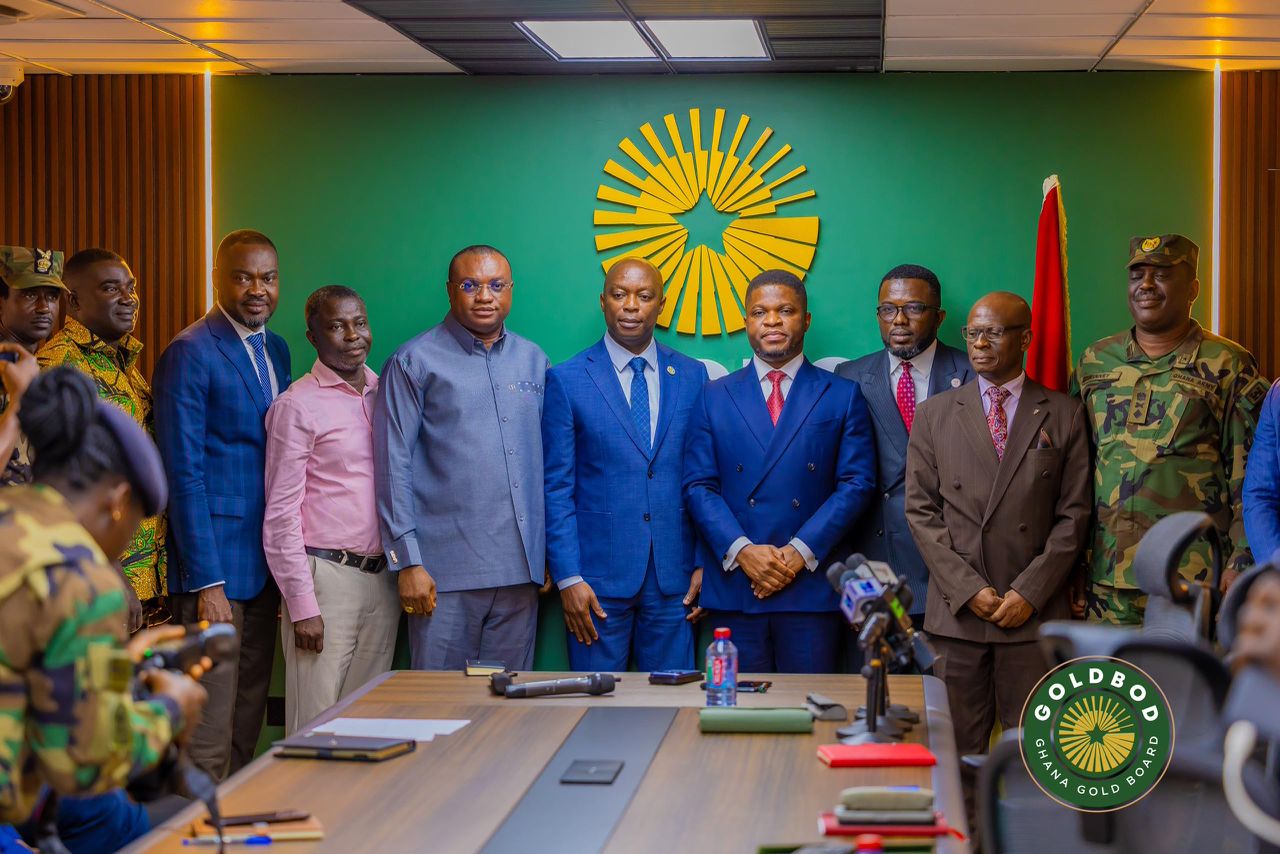
In a significant move to reverse the devastating environmental impact of illegal mining activities across Ghana, the Ghana Gold Board (GoldBod) has entered into a landmark partnership with the Ghana Armed Forces and the Forestry Commission to undertake a nationwide land reclamation and reforestation programme aimed at restoring forest reserves destroyed by illegal mining.
The ambitious initiative, which marks one of the most substantial environmental restoration interventions in recent years, will begin with the rehabilitation of 50 hectares of severely degraded land within the Tano Nimiri Forest Reserve, at an estimated cost of GH¢35 million.
The project forms part of GoldBod’s broader environmental sustainability agenda and reflects growing efforts by state institutions to address the ecological destruction caused by illegal mining, commonly known as galamsey.
Over the years, illegal mining has emerged as one of Ghana’s most pressing environmental challenges, leaving vast stretches of forest reserves, farmlands and water bodies heavily degraded.
Successive governments have launched various operations to combat the menace, including military-led interventions and regulatory reforms, but the environmental scars left behind continue to pose a major threat to biodiversity, water security and sustainable development.
Against this backdrop, GoldBod’s latest intervention seeks not only to halt environmental degradation but also to actively restore lands already damaged by years of illegal mining activity.
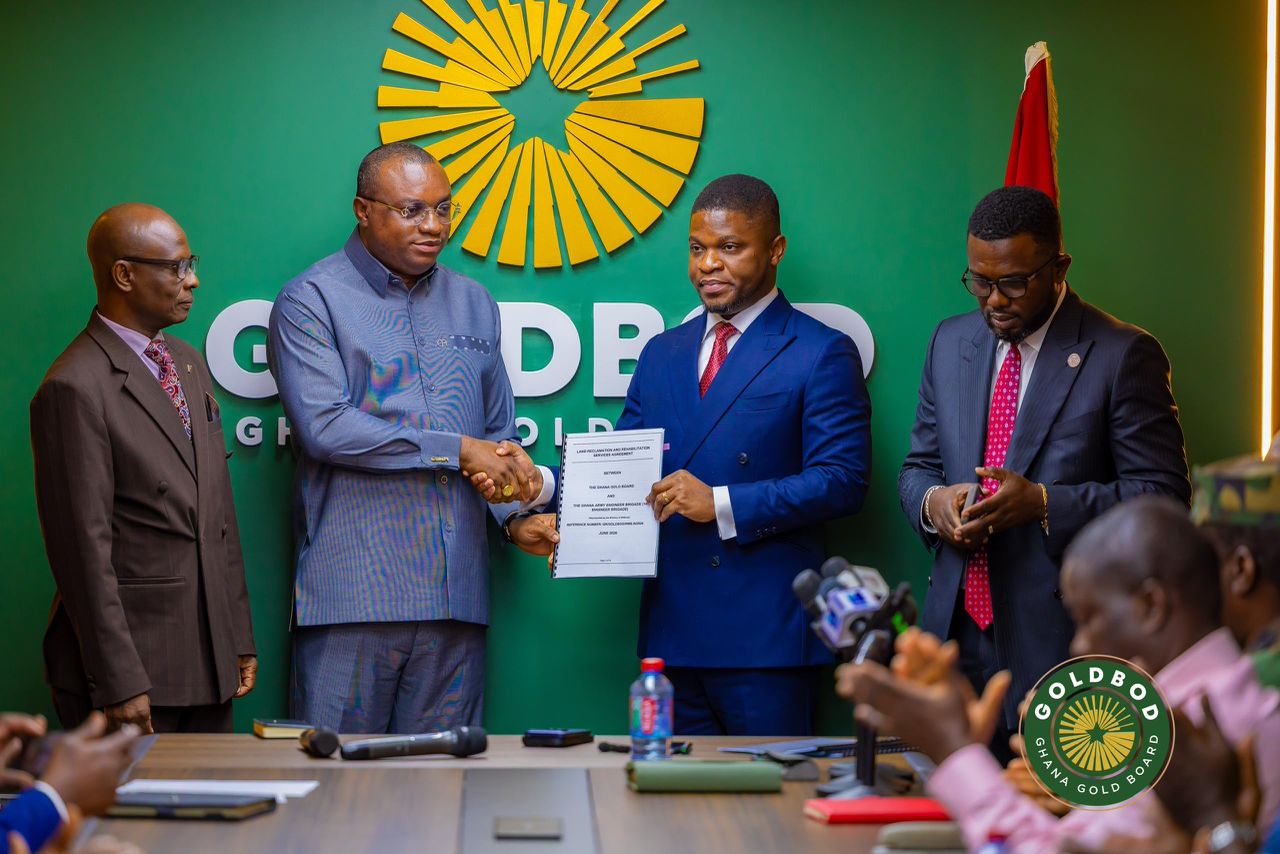
Under the agreement signed between the three institutions, GoldBod will fully finance the reclamation programme while the Ghana Armed Forces and the Forestry Commission provide technical and operational support to execute the project.
The first phase will focus on Compartment 161 of the Tano Nimiri Forest Reserve, one of the country’s forest ecosystems that has suffered extensive destruction due to illegal mining operations.
Speaking at the signing ceremony, Chief Executive Officer of GoldBod, Sammy Gyamfi, described the project as a major milestone in the institution’s commitment to responsible resource management and environmental protection.
According to him, the decision to begin the national programme at the Tano Nimiri Forest Reserve demonstrates GoldBod’s determination to play an active role in restoring the natural environment while supporting broader national efforts to combat environmental degradation.
Gyamfi emphasized that although gold remains one of Ghana’s most valuable economic resources, its exploitation must not come at the expense of the country’s ecological heritage.
“We are happy to inform you that we are ready to undertake what will become the first major reclamation project the GoldBod will be undertaking in the coming months,” he stated.
He explained that the initiative represents a deliberate effort to ensure that economic development and environmental sustainability move together rather than in conflict with each other.
The project will rely heavily on the expertise of the Ghana Army Engineer Brigade, whose technical capabilities in earthworks, land rehabilitation and engineering operations are expected to play a critical role in restoring the degraded landscape.
The Forestry Commission will provide ecological and forestry restoration expertise, ensuring that rehabilitation efforts align with scientific best practices for ecosystem recovery and biodiversity conservation.
Deputy Minister for Defence, Ernest Brogya Genfi, described the initiative as a timely and necessary intervention that goes beyond merely preventing further environmental destruction.
According to him, while significant attention is often devoted to stopping illegal mining activities, equal emphasis must be placed on restoring lands already damaged by the practice.
“When you overemphasise prevention, you only stop further degradation. The lands that have already been destroyed still require deliberate efforts to restore them,” he stated.
He expressed optimism that the Tano Nimiri project could become a model for future reclamation programmes across Ghana and demonstrate the effectiveness of collaboration among state institutions.
The Chief Executive Officer of the Forestry Commission, Dr. Hugh C.A. Brown, also welcomed the initiative and praised GoldBod for responding swiftly to calls for support in reclaiming degraded forest reserves.
According to Dr. Brown, the restoration of the initial 50 hectares will contribute significantly to rebuilding ecological balance within the affected area while safeguarding biodiversity and protecting vital forest ecosystems.
He noted that the forest reserves play an essential role in climate regulation, water conservation, carbon sequestration and biodiversity preservation, making their protection and restoration a national priority.
The project is also expected to support the broader environmental commitments, including efforts to combat climate change, restore degraded landscapes and achieve sustainable development goals related to environmental protection.