
By Grace Zigah
The resignation of former Chief Justice Sophia Abena Boafoa Akuffo from Ghana’s Council of State continues to spark debate in legal and political circles, with many now asking a critical constitutional question: who will replace her on the influential advisory body to President John Dramani Mahama?
The question has gained renewed attention following revelations that the former Chief Justice’s decision to leave the Council of State was not merely a personal choice but was reportedly influenced by her disagreement with the process that led to the removal proceedings initiated against former Chief Justice Gertrude Torkornoo.
At the time of her resignation as far back in September 2025, Sophia Akuffo was serving as an eminent member of the Council of State, a constitutional body established to advise the President in the exercise of his functions. Under the constitutional framework, the Council of State is expected to serve as an independent advisory institution, providing objective guidance on governance, appointments and major national decisions.
Sources close to the developments indicate that Sophia Akuffo was uncomfortable with the handling of the proceedings involving Justice Torkornoo. She reportedly believed there was insufficient justification for the actions being taken against the former Chief Justice and felt she could not continue serving on a body that merely endorsed decisions without exercising independent judgment.
She resigned from the Council the same month Justice Torkornoo was unfairly removed as the Chief Justice. But her resignation was concealed from the public until the media reported it last weekend.
Critics contend that while Sophia Akuffo may indeed have submitted a resignation letter in September 2025, there is no public evidence that the resignation was officially accepted at the time.
They further question why news of the resignation remained unknown to many members of the public and even sections of the Council of State until media reports surfaced months later.
Political Allegations Surface
The issue has taken on a political dimension, with some government opponents alleging that authorities deliberately kept the resignation out of the public domain.
According to those critics, the decision not to publicly announce or formalize the resignation immediately may have been influenced by succession considerations within Ghana’s judicial hierarchy.
Some have gone as far as alleging that there were plans to keep Sophia Akuffo nominally attached to the Council of State until the eventual retirement of Chief Justice Paul Baffoe-Bonnie, thereby creating a preferred succession arrangement.
Government officials have not responded directly to those allegations, while no evidence has been publicly produced to substantiate the claims. Baffoe-Bonnie retires in December. He may proceed on terminal leave in October for Justice Gabriel Scot Pwamang to take over.
The Torkornoo Removal Controversy
The debate cannot be separated from the broader political storm that followed the removal of former Chief Justice Gertrude Torkornoo.
Justice Torkornoo was removed from office on September 1, 2025, following a bizarre constitutional process initiated under President John Dramani Mahama’s administration. The proceedings attracted intense public attention and divided legal opinion across the country.
Critics described the removal as a dangerous precedent capable of undermining judicial independence and weakening public confidence in the separation of powers.
These concerns by Sophia Akuffo appeared consistent with views she had publicly expressed about the role of the Council of State long before her resignation.
Speaking after her appointment to the Council, Justice Sophia Akuffo stressed that members were not expected to act as political loyalists or unquestioning supporters of the President.
“The Council of State is a body that is supposed to be advising the President,” she said.
“I’m not going to sing his master’s voice, so to speak. An advisor does not parrot. An advisor speaks with honesty. An advisor looks to the best interest, not only of the person they are advising, but of the function the person is serving. And so I’m definitely going to do my best and work with the Council to give the best advice at all times to the President.”
Those remarks have since been interpreted by many observers as reflecting the principles that guided her decision to step down.
According to individuals familiar with the matter, she believed remaining on the Council while disagreeing with what she viewed as an unjustified process against Justice Torkornoo would compromise those principles.
The resignation created an immediate vacancy on the Council of State and sparked questions about succession. Ghana currently has four living former Chief Justices: Georgina Theodora Wood, Sophia Akuffo, Kwasi Anin-Yeboah and Gertrude Torkornoo. Georgina Wood served under Akufo-Addo administration and Gertrude Torkornoo has been stripped of her judicial role, with the ball now in the court of Kwasi Anin-Yeboah who may not get it because President Mahama may not be comfortable with him since he tagged him a member of the ‘Unanimous FC’ during the 2021 election petition he lost.
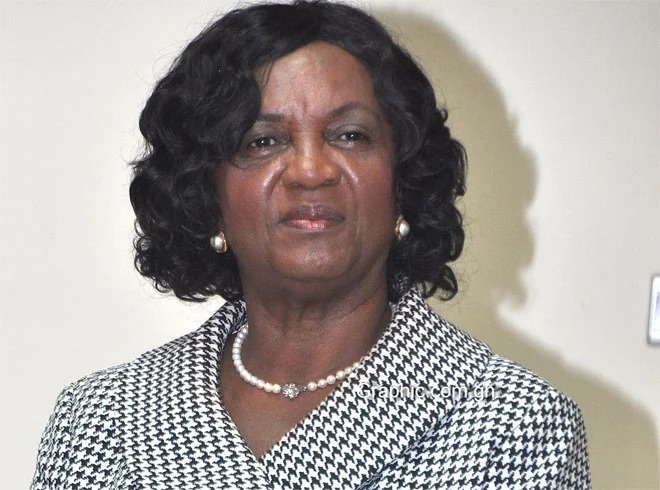
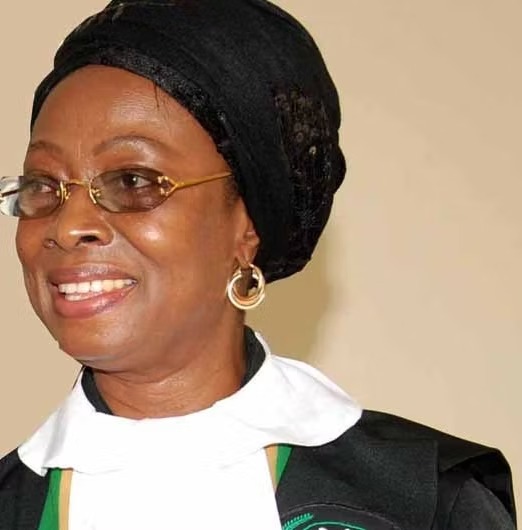
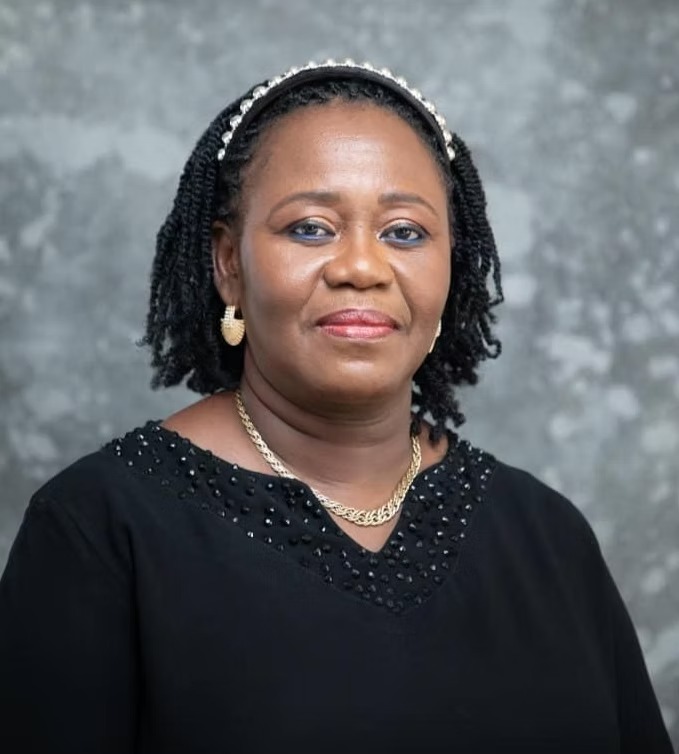
But the constitution is so clear on the appointment of a former Chief Justice to the Council of State. No political affiliation was envisaged.
With Sophia Akuffo no longer serving, constitutional analysts have debated whether another former Chief Justice should automatically take her place or whether the President retains discretion in selecting a replacement through the appropriate constitutional processes.
Some legal commentators argue that if her resignation had been formally accepted and communicated immediately, the vacancy would have required prompt consideration of a replacement.
Others point to the timing of subsequent judicial appointments, including the eventual elevation of Chief Justice Paul Baffoe-Bonnie, suggesting that authorities may have delayed any decision on succession until broader judicial transitions were concluded.
The issue is significant because the Council of State occupies a unique position within the governance architecture. Although it does not exercise executive power, its advice can influence major constitutional and political decisions, particularly during periods of institutional tension.
Sophia Akuffo’s departure therefore represented more than the resignation of a former Chief Justice.


