BY ISSAH OLEGOR
Minister for Education, Haruna Iddrisu, has signalled government’s intention to extend the sweeping reforms introduced in legal education to the medical training system, declaring that medical education should become more accessible to qualified Ghanaian students.
According to the Minister, the reforms contained in the Legal Education Act, 2026, have demonstrated that professional education can be expanded without compromising standards, and government now intends to replicate similar measures within the country’s medical education sector.
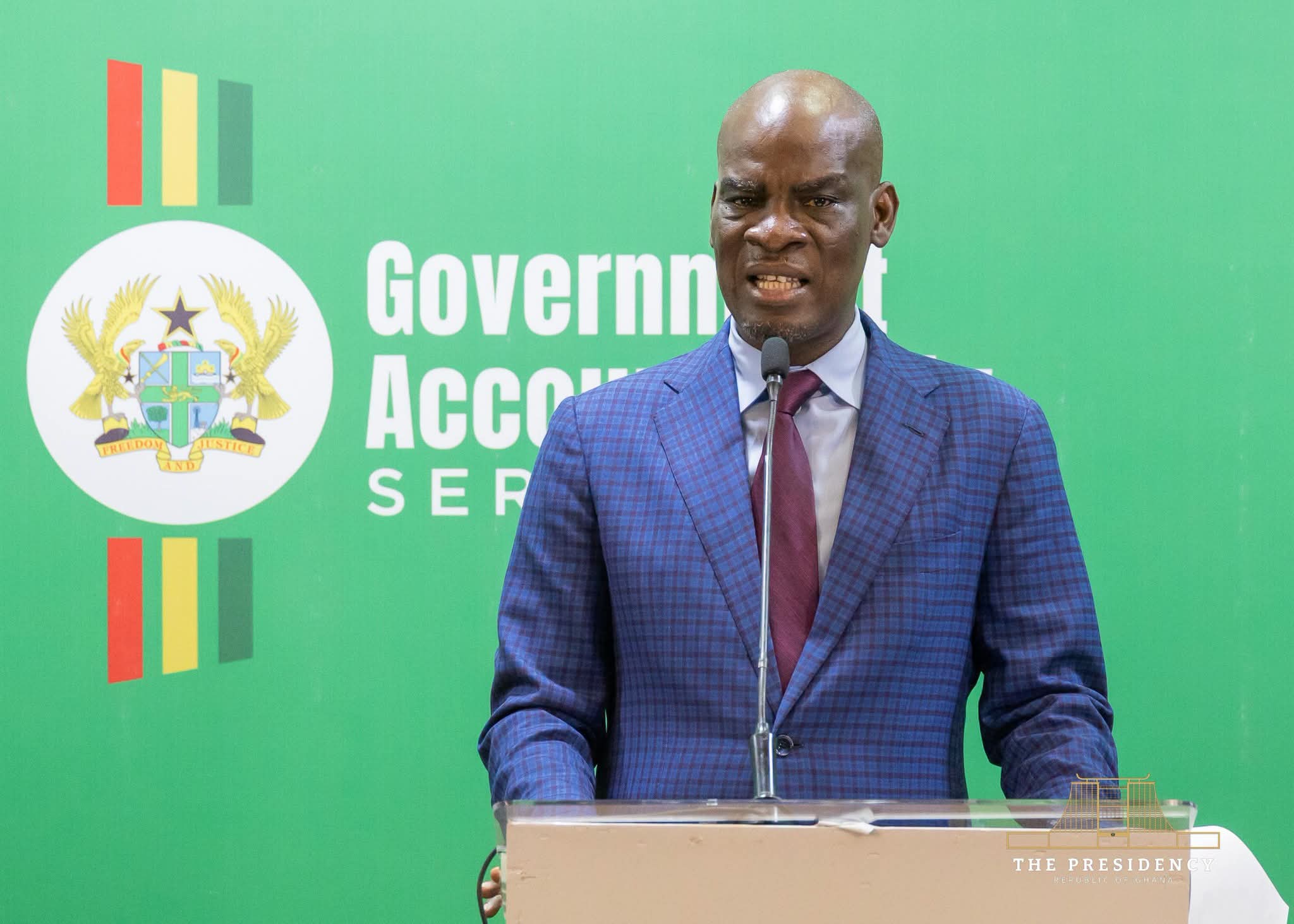
Iddrisu made the announcement while addressing journalists during the Government Accountability Series on Monday, July 20, 2026, where he outlined achievements recorded by the Ministry of Education under the Mahama administration.
The Education Minister said the recent legal education reforms have fundamentally transformed access to professional legal training by removing long-standing barriers that prevented many qualified graduates from pursuing careers in law.
Among the major changes introduced under the Legal Education Act, 2026, is the abolition of the Ghana School of Law entrance examination, which for years served as a mandatory gateway for admission into professional legal training and was frequently criticised for limiting access despite the increasing number of law graduates produced by universities.
The legislation also expanded the role of accredited universities by allowing them to provide professional legal education, effectively ending the long-standing monopoly over legal professional training and creating additional pathways for aspiring lawyers.
Iddrisu said the reforms have helped “demystify” legal education and will significantly increase the number of lawyers across the country.
“It will be to President Mahama’s legacy that we have demystified legal education in Ghana. Very soon there will be lawyers all over the country thanks to our revised policy,” the Minister stated.
He argued that Ghana must pursue a similar transformation in medical education to produce more healthcare professionals capable of addressing the country’s growing healthcare needs.
According to him, expanding opportunities for medical training would not only create greater access for qualified Ghanaian students but also strengthen the nation’s human resource capacity in the health sector.
“It is my desire that we do the same for medical education so that medical education is increasingly made available to many more Ghanaian students. So the same revolution accompanying legal education will soon be ignited in the area of medical education,” Iddrisu added.
The Minister did not outline specific policy measures that government intends to introduce for medical education but indicated that expanding access to professional training remains one of the administration’s priorities.