By Nadia Ntiamoah
The 2026 edition of the Tidal Rave Festival has triggered a fresh controversy over fashion, public decency and the changing social values of Ghanaian youth, following the circulation of videos and photographs showing some attendees in revealing outfits at the beach event in Accra.
The festival, held on Saturday, November 14, 2026, at the La Palm Royal Beach Hotel, has become the centre of an intense social media debate, with critics questioning whether some of the clothing choices went beyond acceptable beachwear, while others insist that attendees should be allowed to express themselves freely through fashion.
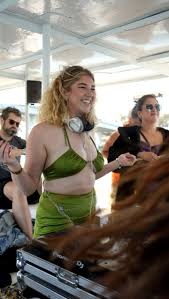
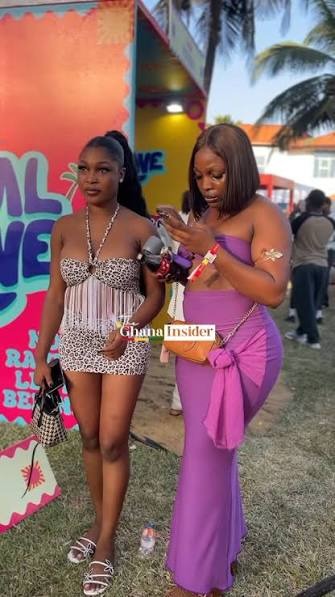
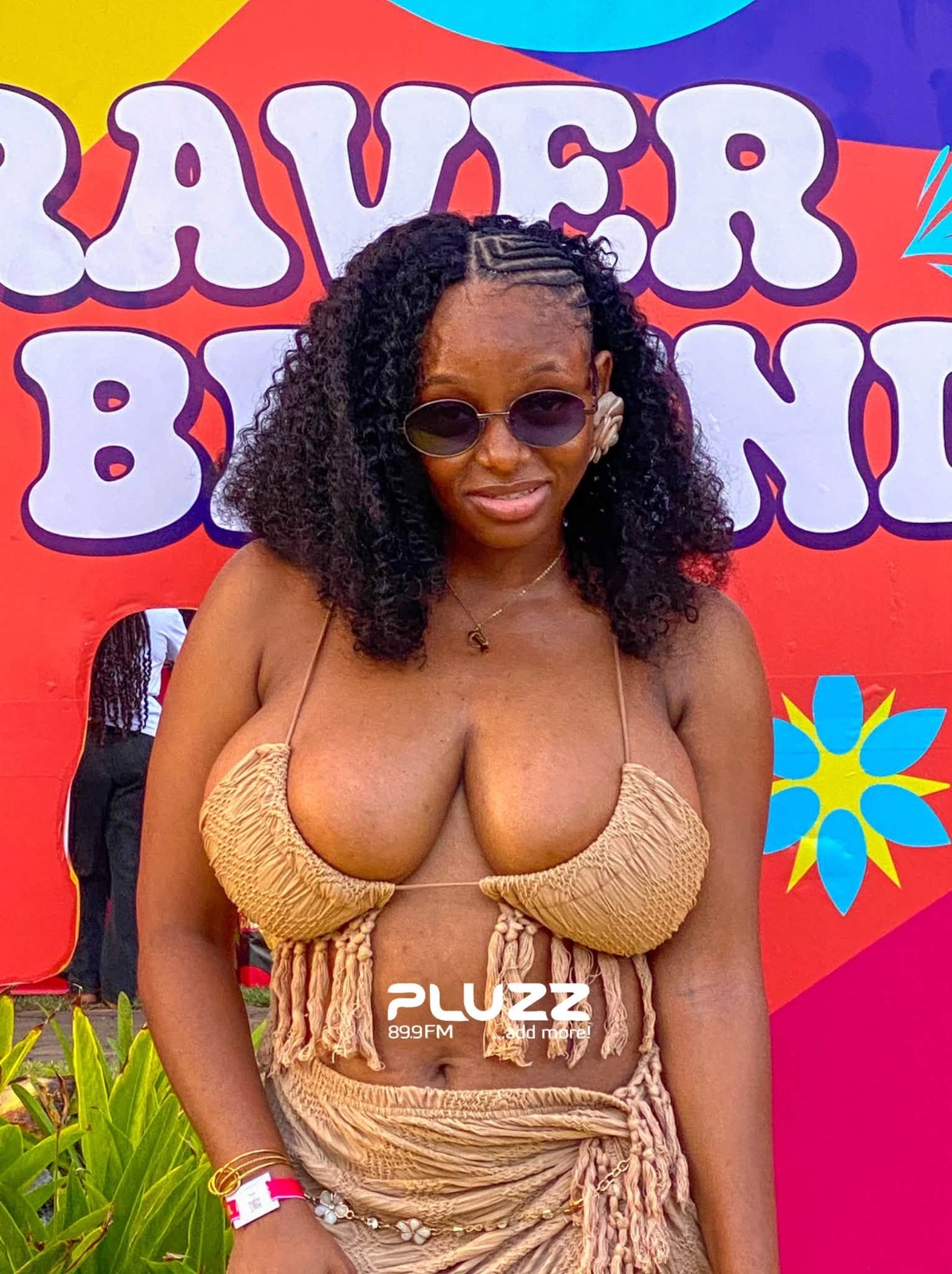
Images and videos from the event showing women in bikinis, sheer dresses and outfits with minimal coverage have attracted widespread attention online. Among the clips generating reactions was footage of a female attendee dancing in a sheer yellow dress during a performance by Ghanaian musician Mr. Drew.
For critics, the outfits have reopened concerns about what they describe as the gradual erosion of Ghanaian cultural values and standards of public decency. Some social media users have argued that although the festival is organised at a beach, the location should not be used to justify every form of dressing, particularly where clothing is considered excessively revealing.
They have called on the organisers to consider introducing clearer dress guidelines for future editions, arguing that entertainment events which attract large numbers of young people should also take into account the cultural and social environment in which they operate.
However, another section of the public has strongly rejected the criticism, maintaining that Tidal Rave is fundamentally a beach festival where swimsuits, bikinis and resort fashion are expected. Supporters of the attendees have questioned why people should be condemned for wearing beach-appropriate clothing at an event specifically designed around beach culture.
Entertainment pundit Koka and other supporters of personal expression have also defended festivalgoers, arguing that fashion choices should not become an excuse for body-shaming or online harassment. They maintain that individuals should have the freedom to decide what to wear, provided their actions do not violate the law.
The controversy has consequently developed into a wider argument about the limits of personal freedom, the influence of Western fashion trends, generational differences and the extent to which traditional Ghanaian values should shape dressing at modern entertainment events.