BY Issah Olegor
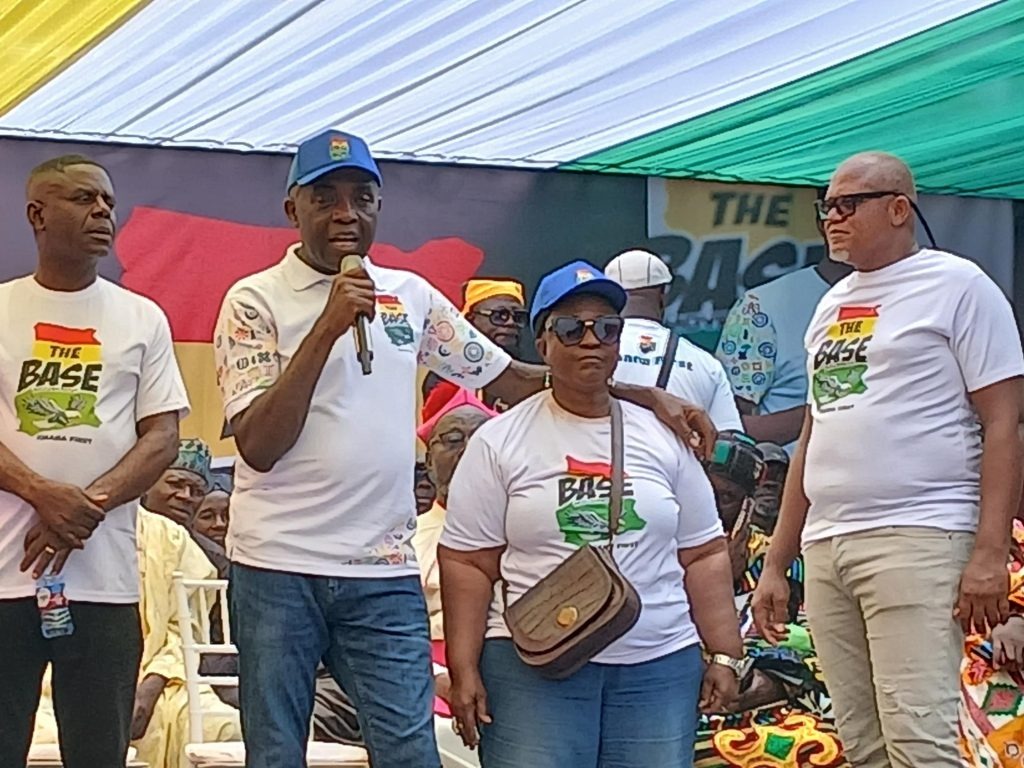
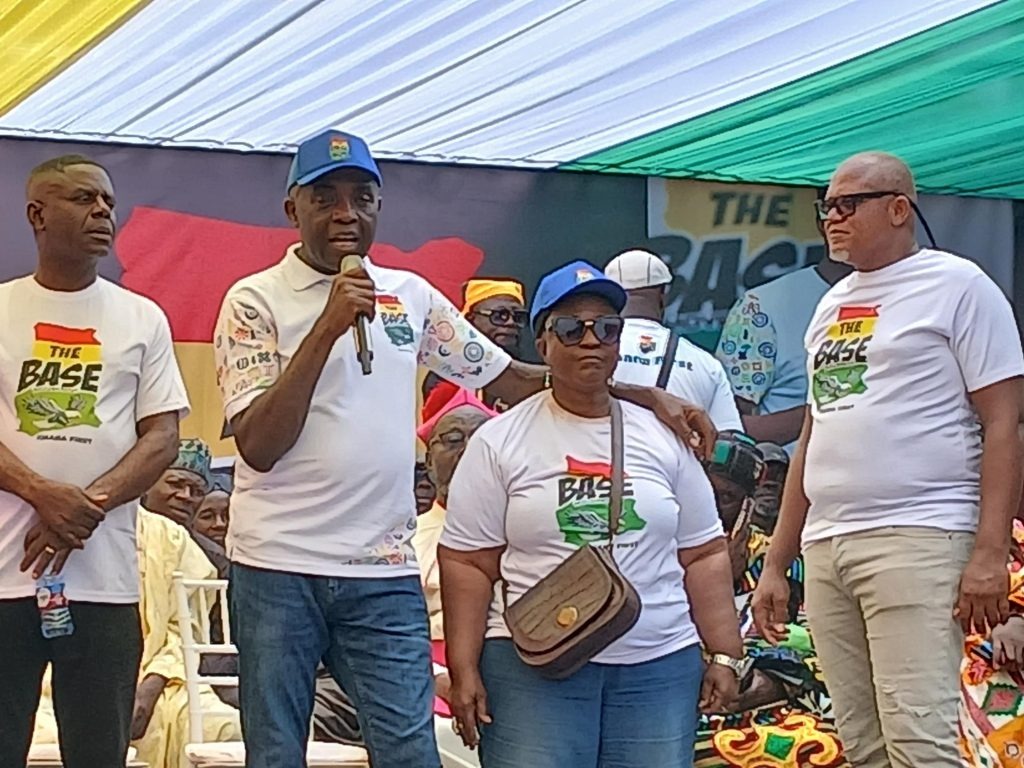
A deepening internal rift within a fast-emerging political movement has escalated into a legal battle, with a newly formed faction seeking court intervention to restrain its former parent body from using a disputed name and identity.
Documents filed at the High Court in Accra show that The Base Ghana First LBG, a company limited by guarantee, has initiated legal action against The Base Movement, accusing it of “passing off” and deliberately misleading the public by using a name and branding, it claims to own.
The suit, issued on April 19, 2026, and filed a day later, marks a significant turning point in what began as internal disagreements but has now evolved into a full-blown legal confrontation over identity, control, and legitimacy within the movement.
According to the writ, the plaintiff—represented by its General Secretary, Richard Yaw Boateng—is asking the court to impose a perpetual injunction preventing the defendant from using the name “The Base Ghana First” in any public dealings.
It is also seeking a second injunction to stop the use of its logo or any similar marks, alongside general damages for alleged passing off and the payment of legal costs.
The legal action is being spearheaded by Augustine Gyamfi Esq. of Nkrabean & Associates, based in Amasaman, Accra.
Origins of the Dispute
Court filings reveal that the conflict stems from a breakdown in relations within The Base Movement, where members who are now part of the plaintiff group were once active participants at the highest levels.
The plaintiff argues that tensions began after what it describes as unilateral decisions by the chairman of the defendant organization.
These decisions reportedly included the suspension of the movement’s activities, the removal of leaders from official communication platforms, and the sidelining of key executives.
According to the statement of claim, the situation escalated further when the chairman allegedly constituted a nine-member executive council—an action the plaintiffs contend violated the movement’s established regulations and governance structure.
Feeling marginalized and excluded, the aggrieved members say they resolved to break away and form a new entity—The Base Ghana First LBG—in March 2026.
Rapid Expansion And Rising Tensions
The newly formed group claims it has since expanded rapidly across all sixteen regions of Ghana, attributing its growth to strong internal commitment and organisational drive.
However, the plaintiff alleges that just as it began gaining traction, it discovered that the original movement had started using the name “The Base Ghana First” on souvenirs, official materials, and even signage at its headquarters.
This, according to the suit, has created confusion among the public, supporters, and potential investors, with the defendant allegedly presenting itself as either identical to or affiliated with the plaintiff.
The plaintiff insists that such actions amount to a calculated attempt to benefit from its growing brand and goodwill—“reaping where they have not sown,” as stated in the filing.
Legal Stakes And Implications
The case hinges on claims of misrepresentation and brand identity infringement, commonly referred to in legal terms as “passing off.” If upheld, the court could impose strict restrictions on the defendant’s use of the contested name and branding.
Legal observers note that beyond the courtroom, the case reflects deeper structural and leadership challenges within emerging political or socio-political movements in Ghana—particularly those attempting to position themselves as alternatives to the dominant political order.
The writ gives the defendant eight days from the date of service to enter an appearance, failing which judgment may be entered in default.
Broader Political Context
The dispute unfolds at a time when conversations around alternative political movements are gaining momentum in Ghana, amid public dissatisfaction with the long-standing dominance of the two major parties.
However, this internal conflict raises questions about cohesion, governance, and sustainability within such emerging groups—issues that could ultimately determine whether they evolve into credible national forces or fragment under internal pressure.
For now, the fate of the name “The Base Ghana First” lies in the hands of the High Court, as both sides prepare for what could be a defining legal and political showdown.