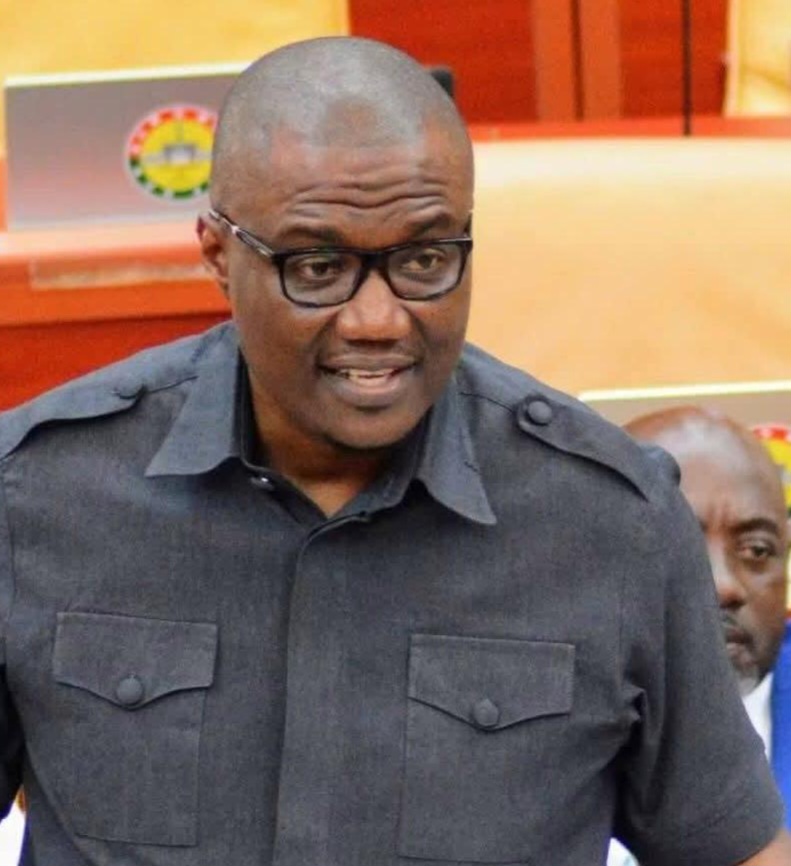
Abuakwa South Member of Parliament, Dr Kingsley Agyemang, has raised concerns about Ghana’s preparedness to respond to a possible Eb ola outbreak, urging the government to show its readiness through concrete action, adequate funding, and stronger emergency response systems.
The MP’s concerns follow reports of an imported case of Bundibugyo Ebola virus disease in Nigeria on October 20, 2026. This incident has renewed attention across the region on the need for heightened surveillance and effective cross-border disease prevention measures.
Although Ghana has not confirmed an Ebola case in the latest update cited by the MP, he has cautioned against complacency, insisting that the country must not wait until the virus reaches its borders before intensifying preventive measures.
Dr Agyemang, who has previously raised concerns about Ghana’s preparedness for public health emergencies, is calling for a comprehensive assessment of the country’s surveillance systems, emergency funding arrangements, health facilities and capacity to protect frontline health workers.
He argues that public health preparedness must go beyond announcements and assurances from government officials, stressing that the availability of resources, the readiness of health personnel and the ability to respond rapidly to a suspected case will determine how effectively Ghana can contain a potential outbreak.
Demands Stronger Surveillance at Borders
Dr Agyemang has called on the Ministry of Health and relevant agencies to strengthen disease surveillance at all points of entry into Ghana, with particular attention to land borders where cross-border movement could complicate efforts to identify and contain infectious diseases.
He wants regional and district emergency response teams activated and adequately resourced to identify suspected cases, undertake rapid assessments and coordinate an effective response should the need arise.
The MP has also called for a thorough inspection of isolation and treatment facilities to establish whether they are operationally ready to manage suspected or confirmed Ebola cases.
According to him, hospitals and other designated facilities must have adequate personal protective equipment, diagnostic capacity, infection prevention and control supplies, and clearly established procedures for referring and managing suspected cases.
He has stressed that early detection and rapid containment remain critical to preventing a public health threat from escalating into a national emergency.
While acknowledging reports that the Ministry of Health has intensified surveillance, including at Kotoka International Airport, Dr Agyemang insists that the public deserves evidence of practical preparedness rather than general assurances.
Frontline Health Workers Need Protection
The Abuakwa South MP has further underscored the need to protect healthcare workers, who would be among the first to face exposure if an Ebola case were detected in Ghana.
He has called for adequate training, emergency simulations and practical drills to ensure that health personnel understand the protocols for identifying, isolating and treating suspected cases without exposing themselves or other patients to infection.
He has also emphasised the importance of strengthening laboratory capacity and establishing clear referral systems so that suspected cases can be assessed and managed without unnecessary delays.
Dr Agyemang believes that a failure to prepare healthcare workers adequately could undermine the country’s ability to contain an outbreak, even where surveillance systems are in place.
He has therefore urged the government to ensure that all relevant institutions, including hospitals, laboratories, port health authorities and emergency response agencies, operate under a coordinated national preparedness plan.
Questions Over Emergency Funding
Beyond surveillance and infrastructure, Dr Agyemang has raised questions about the financing of Ghana’s public health emergency response, demanding greater transparency regarding the resources allocated to Ebola preparedness.
He wants the Minister of Health to disclose the amounts budgeted for emergency preparedness, the funds actually released, and the expenditure made to strengthen the country’s response capacity.
The MP argues that budgetary allocations alone cannot guarantee readiness if the money is not released promptly or translated into essential equipment, trained personnel and operational facilities.
He has called for the timely release of funds to ensure that health authorities can procure critical supplies, train personnel and maintain the systems required to respond to a possible outbreak.
His concerns reflect a broader argument that emergency preparedness must be treated as a continuing national responsibility rather than a temporary priority triggered by an outbreak in a neighbouring country.
Dr Agyemang previously raised related concerns in a parliamentary statement on March 27, 2026, drawing attention to the need for Ghana to strengthen its capacity to prevent and respond to public health threats.
He is now urging the government to explain what improvements have been made since those concerns were raised and how the country is positioned to respond to the latest developments in the region.
Calls for Transparent Public Communication
The MP has also called on health authorities to maintain transparent, timely and evidence-based communication with the public as surveillance efforts intensify.
He believes that Ghanaians should receive accurate information about preventive measures, symptoms that require medical attention and the appropriate channels for reporting suspected cases.
At the same time, he has cautioned against communication that could trigger unnecessary panic, emphasising that public education must be guided by credible scientific information and coordinated messaging from the relevant authorities.
He has further advocated closer cooperation between Ghana, neighbouring countries, the World Health Organization and the Africa Centres for Disease Control and Prevention to strengthen information sharing, surveillance and coordinated regional responses.
Such collaboration, he argues, is particularly important because infectious diseases do not respect national borders and can spread rapidly when detection and response systems are weak.
Ghana Must Not Wait for an Outbreak
The Ebola alert has once again highlighted the importance of preparedness across West Africa, where the movement of people between countries makes cross-border disease surveillance an essential part of public health protection.
The Bundibugyo strain reported in Nigeria has also drawn attention to the need for health authorities to rely on accurate epidemiological information and established response protocols when assessing the risk to other countries.
He is urging the government to provide clear answers on the resources committed to preparedness, the measures implemented since his earlier parliamentary intervention and the operational capacity of the institutions responsible for responding to an outbreak.
While there has been no confirmed Ebola case in Ghana in the latest update referenced in his statement, he maintains that the absence of a local case should not be interpreted as a reason to relax preventive measures.
For the MP, the priority must be to identify weaknesses before an emergency occurs, rather than attempting to address them after lives and livelihoods have been placed at risk.
“Preparedness today is the surest protection against a public health emergency tomorrow,” he emphasised, calling for sustained investment, accountability and decisive action to safeguard Ghana’s population.