BY Daniel Bampoe
The confirmation that renowned Argentine sports journalist Enrique Macaya Márquez will travel to the United States to cover the FIFA World Cup 2026 has reignited discussions about longevity, experience and relevance in journalism, particularly in Ghana, where veteran media personalities are often criticised for remaining active in the profession for decades.
At 91 years old, Macaya Márquez is preparing to cover his 18th consecutive FIFA World Cup, extending a remarkable career that has spanned nearly seven decades.
His first World Cup assignment came in Sweden in 1958 when he was just 23 years old, beginning a journey that has seen him witness some of football’s greatest moments while becoming one of the most respected voices in international sports journalism.
His latest assignment has sparked reflection on the value of experience in the media industry and has become a reference point in an ongoing debate about whether veteran journalists should step aside to make room for younger professionals.
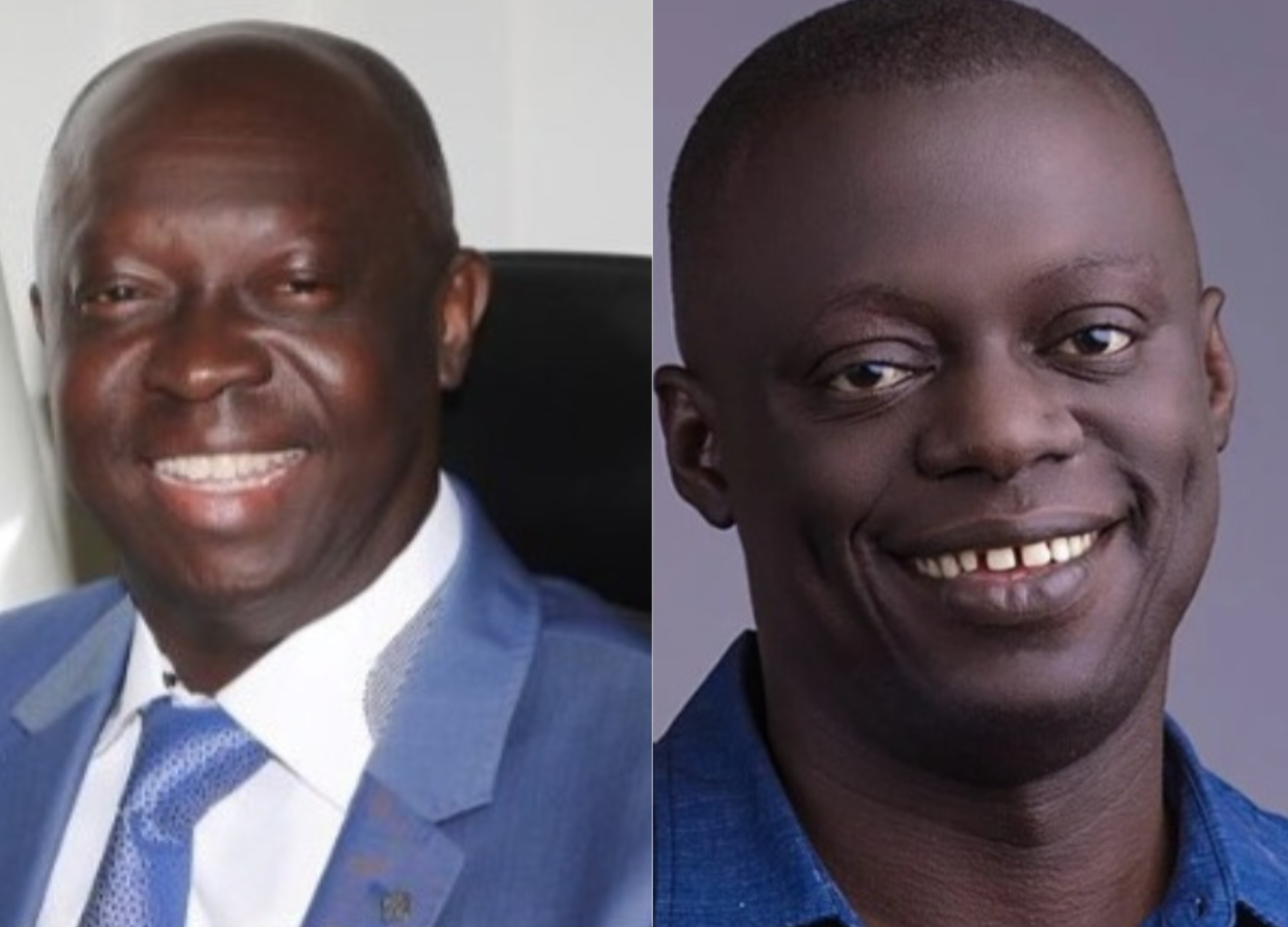
The discussion gained traction after comments surfaced on social media suggesting that experienced Ghanaian broadcaster Michael Oti Adjei of TV3 should stop covering World Cups and allow younger journalists to take over.

Similar criticisms have occasionally been directed at some of Ghana’s most respected media figures, including veteran sports journalist Kwabena Yeboah and several long-serving presenters of the state-owned Ghana Broadcasting Corporation (GTV).

However, supporters of experienced journalists argue that longevity in the profession should not be viewed as a barrier to opportunities for younger practitioners.
Rather, they contend that seasoned journalists provide mentorship, institutional memory and professional guidance that help shape future generations of media practitioners.
According to this school of thought, keeping a job through competence and dedication does not automatically deprive others of opportunities but instead creates an environment where younger journalists can learn from established professionals.
The debate has also drawn attention to the careers of media veterans who have remained relevant over extended periods.
Among those cited is broadcaster Doreen Andoh, who has hosted Joy FM’s mid-morning programme Cosmopolitan Mix since the station’s establishment and remains one of the country’s most recognisable radio personalities.
Her career, like those of many long-serving journalists, is often viewed as evidence that consistency and professionalism can sustain a successful career over several decades.
The discussion has further sparked nostalgia for some of Ghana’s most influential newspaper columnists whose writings shaped public discourse for years.
Veteran journalists such as Kofi Akordor, known for his celebrated “From My Rooftop” column in the Daily Graphic, and George Sydney Abugri, whose “Letter to Jomo” became required reading for many newspaper enthusiasts, were cited as examples of voices whose contributions remained valuable throughout their careers.
Supporters of veteran journalists also point to investigative journalist Kweku Baako Jnr., whose influence on Ghana’s media landscape continues to command attention.
Regardless of political or ideological differences, many acknowledge his reputation for presenting extensive facts, documentation and evidence in public debates, making him one of the country’s most respected media figures.
The argument in favour of retaining experienced journalists is also rooted in the economic realities of the profession.
Journalism remains one of the least financially rewarding careers in Ghana, with limited investment in the sector contributing to difficult working conditions for many practitioners. As a result, numerous talented journalists leave the profession during the peak of their careers in search of better-paying opportunities elsewhere.
This trend has contributed to concerns about the loss of experienced professionals from newsrooms and has strengthened arguments that those who remain committed to journalism should be appreciated rather than criticised. Advocates say veteran journalists bring historical perspective, professional discipline and invaluable institutional knowledge that younger generations may not yet possess.
For many Ghanaians, Kwabena Yeboah represents one such figure whose voice has become intertwined with the country’s sporting history. Generations of football fans grew up watching his iconic “Sports Highlights” programme and listening to his distinctive commentary style.
His broadcasting career has spanned eras of Ghanaian sport, outlasting even some sporting disciplines that once flourished in the country, including horse racing.
Memories of Yeboah’s colourful commentaries continue to resonate with audiences. One particularly memorable recollection involves his enthusiastic references to racehorses such as “Who Jah Bless,” while football fans fondly recall his distinctive pronunciation of international club names and competitions.
His ability to bring global football stories to Ghanaian audiences helped shape the sporting consciousness of countless viewers over the years.