BY Daniel Bampoe
The Narcotics Control Commission (NACOC) is facing sharp criticism following its announcement that it had made its first arrest in connection with the 320-kilogram methamphetamine shipment intercepted in Australia, with critics describing the Commission’s latest press statement as lacking substance and failing to answer key public questions.
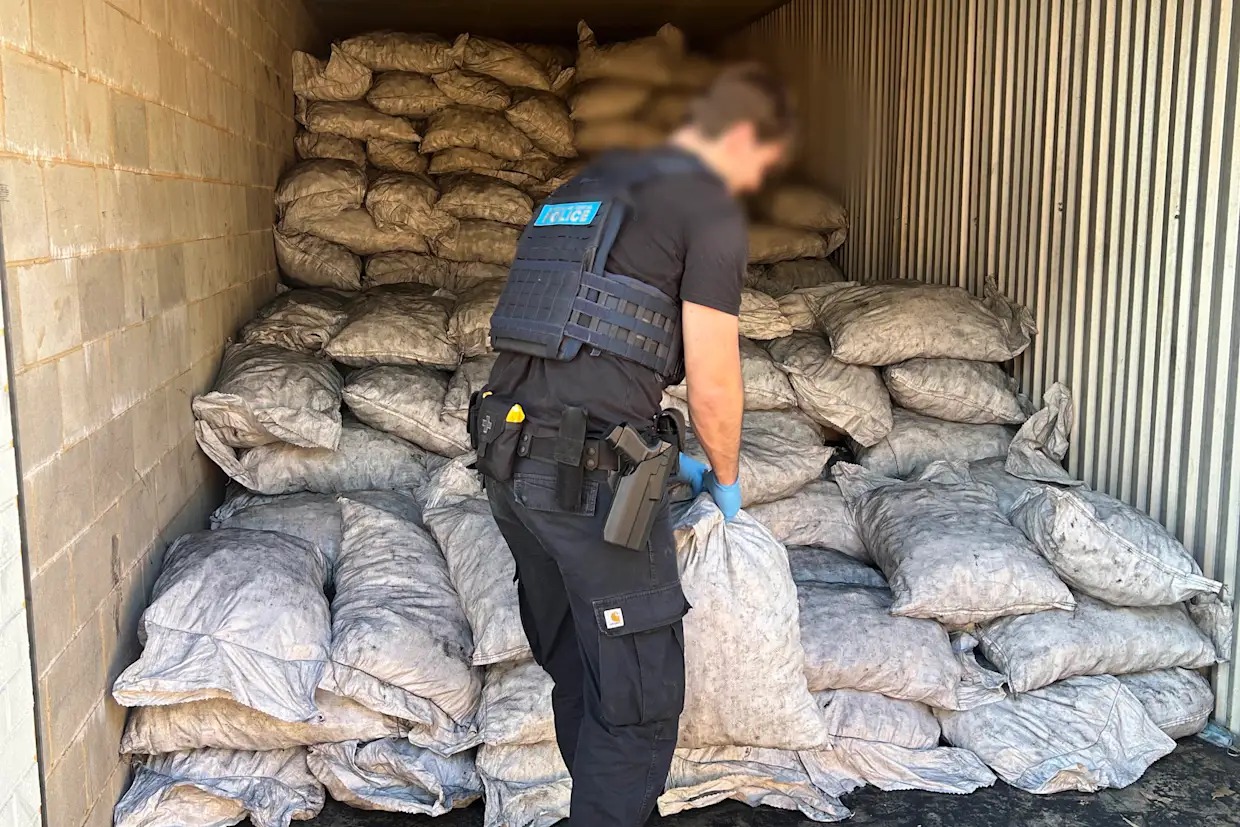
The criticism follows a press release issued by NACOC on June 24, 2026, in which the Commission announced that, in collaboration with the National Investigations Bureau (NIB), it had arrested what it described as a “key suspect” linked to the shipment of 320 kilograms of methamphetamine with an estimated street value of $296 million.
According to NACOC, the drugs were traced to a storage facility in Girraween, Australia, in April this year, and the arrest represented the first major breakthrough in investigations aimed at dismantling what it described as a sophisticated transnational drug trafficking syndicate.
The Commission stated that investigators are working closely with international law enforcement agencies to identify and apprehend additional suspects believed to be operating across multiple jurisdictions.
“This arrest marks a pivotal moment in a coordinated international effort to dismantle the sophisticated transnational syndicate,” the Commission said, adding that further arrests are expected as intelligence-led operations continue.
However, the statement has generated widespread criticism for failing to disclose the identity of the individual allegedly arrested or provide details of the person’s role in the international drug trafficking network.
Critics argue that the release raises more questions than it answers, especially given that the methamphetamine consignment was intercepted by Australian authorities in April, yet Ghanaian authorities only announced an arrest more than two months later.
According to the critics, the delayed communication suggests that Ghanaian authorities only responded after Australian media outlets began reporting extensively on the case, rather than proactively informing the Ghanaian public.
“What at all is the substance of this press release?” one critic questioned.
The critics contend that if the Australian media had not exposed details of the massive drug seizure, Ghanaians might never have been informed about the incident or the status of investigations.
They further argue that the Commission’s refusal to disclose the name of the suspect allegedly arrested has fueled public suspicion that no significant arrest may have been made.
“The press statement is empty. It contains nothing of significant value. Its emptiness lends credence to the belief that nobody belonging to any cartel has been arrested,” the critics asserted.
They also accused NACOC of attempting to create the impression that it is actively investigating the matter while failing to provide verifiable information capable of reassuring the public that those responsible are being brought to justice.
“You are just putting this out there so Ghanaians would think you are working, when the truth is that you have been sleeping on the job,” another critic remarked.
Some critics have gone further to demand that NACOC withdraw the statement and issue a revised release containing the identities of those arrested, the specific charges they face, and the progress made in investigations.
“If you do not withdraw this press release and replace it with another detailing the names of the individuals you claim to have arrested, we will continue to believe that you are not telling Ghanaians the truth,” they said.
The controversy comes against the backdrop of heightened public concern over Ghana’s role in international narcotics trafficking following a series of high-profile drug seizures linked to shipments originating from or transiting through the country.
Law enforcement agencies have repeatedly assured the public of their commitment to dismantling international drug trafficking networks through cooperation with foreign security agencies.
In its latest statement, NACOC maintained that the arrest forms part of a broader intelligence-led operation involving international partners and reiterated its commitment to pursuing all members of the alleged transnational syndicate.
Despite those assurances, the Commission has yet to disclose the identity of the suspect, the circumstances surrounding the arrest, or whether the individual has been formally charged before a court, leaving many questions unanswered as public scrutiny of the investigation continues.