
By Issah Olegor
Narawa Company Limited has called on the government, security agencies and relevant mining regulators to intervene urgently in a deepening dispute over its Osiem and Nsutam mining sites in the Eastern Region, alleging that an armed takeover has resulted in three deaths, ten injuries, extensive destruction of property and the removal of valuable mining assets.
The company claims the its mining concessions have been taken over by some Chinese with the state security apparatus providing support for them to carried out illegal mining.
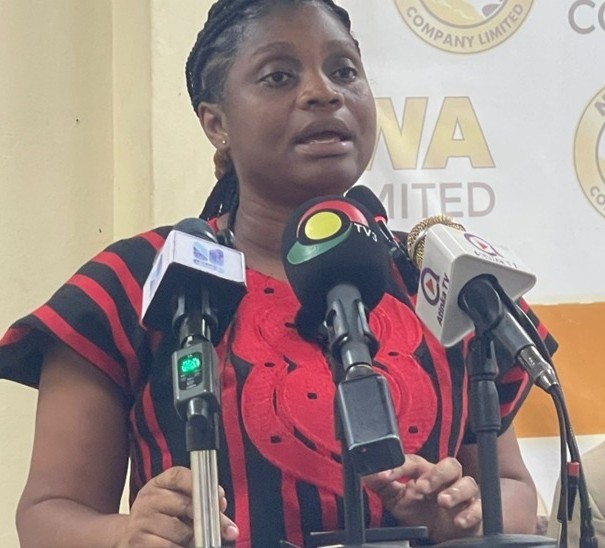
In a press release issued on Sunday, October 18, and signed by Doris Amedior- Spokesperson, the company alleged that the takeover began on August 12, 2026, and was followed by violent incidents, damage to its operations and the reported removal of equipment, gold and other assets. Narawa is demanding independent investigations into the deaths and injuries, clarification of the authority behind the occupation of its mining sites, and action to protect remaining property and prevent further violence.
The company claims that the dispute extends beyond the contested termination of its mining leases, raising questions about public safety, the protection of workers, the role of security personnel and compliance with legal orders. It maintains that any disagreement over its mining rights should be resolved through lawful procedures rather than violence or the destruction of property.
The allegations are serious and remain subject to independent investigation. The claims made by Narawa have not, on the basis of the supplied statement alone, been independently established.
3 Deaths and 10 Injuries Reported
Narawa Company Limited says three people were killed and ten others injured between August 12 and October 7, 2026, during incidents allegedly connected to the takeover and subsequent violence at the mining sites. According to the company, those injured included a police officer who reportedly attended the area to help restore order. The statement alleges that some of the attacks involved gunfire and machetes, creating serious concerns about the safety of workers and other people in the surrounding communities.
Narawa argues that allegations of wrongdoing against the company, if any, must be addressed through established legal and regulatory procedures. It says the existence of a commercial or mining dispute cannot justify unlawful killings, attacks on workers or violence against police personnel.
The company is therefore calling for investigators to establish the circumstances surrounding the reported deaths, identify those responsible for any criminal conduct and ensure that witnesses and survivors are protected.
The demand places the human consequences of the dispute at the centre of the controversy, with the company insisting that accountability for the reported violence must remain separate from the determination of its mining rights.
Company Alleges GH¢100m Gold
Beyond the reported deaths and injuries, Narawa claims that substantial quantities of gold and valuable mining equipment have been stolen, destroyed or removed from its operations.
In its statement, the company alleges that six excavators were taken and that gold and gold concentrate valued at approximately GH¢100 million went missing. It also estimates that industrial washing plants and other equipment valued at more than US$2 million were stolen or destroyed.
The company says additional cash and assets were affected, although their values are still being itemised and assessed.
According to management, the alleged burning, dismantling and removal of essential equipment have severely disrupted its mining operations, leaving the business close to operational collapse and placing investments worth several million US dollars at risk.
Narawa is requesting an independent inspection of the affected sites, the preservation of remaining assets and physical evidence, and efforts to trace and recover any property found to have been unlawfully removed.
Narawa Alleges Mining Under Armed Protection
Another major concern raised by the company is the alleged continuation of mining activities at the disputed concession under armed protection.
Narawa says information received by its management up to October 13 indicated that groups of operators, including Chinese nationals, were carrying out mining activities at the site in the presence of individuals described as military personnel and armed land guards.
The company alleges that the activities are unauthorised and wants the relevant authorities to verify the operators’ permits, determine the legal basis for their presence and establish whether the security personnel involved have legitimate authority to be at the concession.
According to the statement, reports received by management suggested that military personnel previously seen at the location had been replaced, with approximately six military personnel and armed civilians allegedly remaining at the site.
Narawa has asked the Ghana Armed Forces to clarify the identities of the personnel reportedly present, whether they were officially deployed and the nature of any operational mandate authorising their activities
These claims have not been independently verified, and the company’s statement does not establish that the Ghana Armed Forces as an institution authorised or directed the alleged conduct. The company has also appealed to the Chief Inspector of Mines, the Minerals Commission, the National Anti-Illegal
Mining Operations Secretariat (NAIMOS) and the relevant environmental authorities to inspect the concession, determine whether current mining activities comply with applicable laws and take action against any violations established.
Narawa further warns that the reported mining activities are degrading the land and could create additional environmental and operational damage if the situation is not addressed promptly.
Questions Raised Over the Alleged Entry Into the Mining Site
The company has also identified individuals and businesses it believes may have information about the circumstances surrounding the takeover. In its statement, Narawa alleges that Ebenezer Attah Fynn led a group that entered the mining site while claiming to represent CMS-Pro Industries Company Limited and A & A Industries and
Construction Company Limited.
The company has called on both businesses to clarify whether Fynn was authorised to act on their behalf and, if so, the nature and extent of that authority.
Narawa has also raised a separate claim concerning Alfred Mahama, the brother of President John Dramani Mahama.
According to Narawa’s managing director, Alfred Mahama confirmed during a direct conversation that he had sent people to the site. The company is asking him to respond publicly and is urging investigators to establish whom he allegedly sent, why they were sent and what authority they were acting under.
Narawa further wants investigators to determine whether any individuals connected to the alleged entry had a role in the subsequent killings, injuries, theft or destruction of property.
The allegation does not establish that Alfred Mahama directed or participated in any criminal act. Any connection between the reported conversation, the entry into the concession and the subsequent incidents would need to be independently established through evidence. The two companies named in the statement should also be given the opportunity to clarify their positions.
The questions raised by Narawa make it important for investigators to establish the sequence of events, identify the people who entered the site and determine whether their actions were authorised under any contractual, regulatory or legal arrangement.
Dispute Over Termination of Osiem and Nsutam Mining Leases
At the heart of the confrontation is a disagreement over the alleged termination of Narawa’s mining leases covering the Osiem and Nsutam sites.
The company disputes the termination process and the financial assessment reportedly used in connection with the leases. It argues that the amount allegedly outstanding against it required reconciliation against documented payments and correspondence.
Narawa says its requests for reconciliation should not be interpreted as acceptance of the assessed amount or an admission that the alleged outstanding balance was due.
The disagreement highlights the importance of establishing the financial and regulatory circumstances surrounding the leases, including the payments made, the assessment applied, the correspondence exchanged and the legal basis for the termination.
The company maintains that it pursued legal remedies and obtained provisional measures under an order sealed on February 19, 2026, pending arbitral determination.
According to Narawa’s interpretation of the order, it restrained the Republic from removing the company from the sites, interfering with its operations or transferring the concessions to another party.
The company is now questioning how the alleged takeover, continuing occupation and reported removal or destruction of assets can be reconciled with the protections it says were granted by the order.
Determining the legal effect of the order, the parties bound by it and whether any subsequent actions breached its terms will require examination of the actual court documents and the circumstances in which the alleged takeover occurred.
The dispute therefore has both commercial and public-interest dimensions: the legality of the lease termination must be distinguished from the separate questions surrounding the reported violence, occupation and property losses.
Police Investigations and Reported Arrests
Narawa says it reported the incidents to the Eastern South Regional Police Headquarters in Kibi and has called for an impartial investigation into the reported deaths, injuries, theft and destruction.The company also commended the Ghana Police Service for what its management understood, as of October 13, to be three recent arrests associated with the incidents.
However, Narawa acknowledged that a preliminary police account dated October 1 differed materially from its own account of events.
The company has called for the competing accounts to be examined against the available evidence, including the circumstances of the shootings, any weapons recovered and the arrests made.
The acknowledgment of differing accounts is significant because it underscores the need for investigators to establish the facts independently rather than rely solely on statements from any one party to the dispute.
An arrest does not, by itself, establish guilt, and the identities of suspects, the specific allegations against them and the status of any prosecution would need to be confirmed through official police or court records.
Narawa has also requested a separate investigation into whether any military personnel allegedly present at the concession protected individuals implicated in the incidents or obstructed police action.
The company stressed that these concerns require examination and should not be treated as established findings against the Ghana Armed Forces.


