By Grace Zigah
A fresh industrial crisis has erupted at the National Lottery Authority (NLA), with staff embarking on a sit-down strike over a salary dispute and management publicly appealing to the workers to return to the negotiation table.
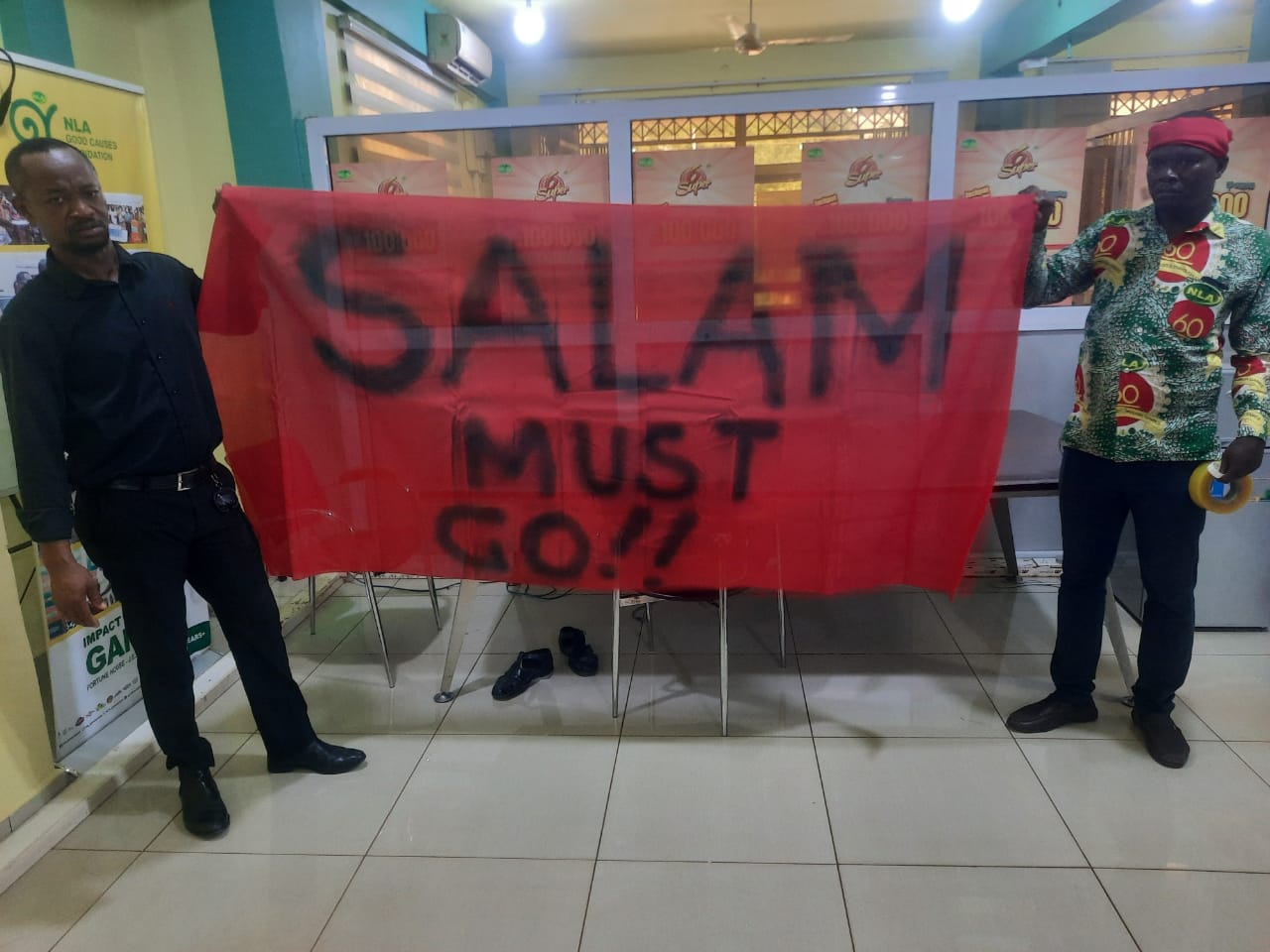
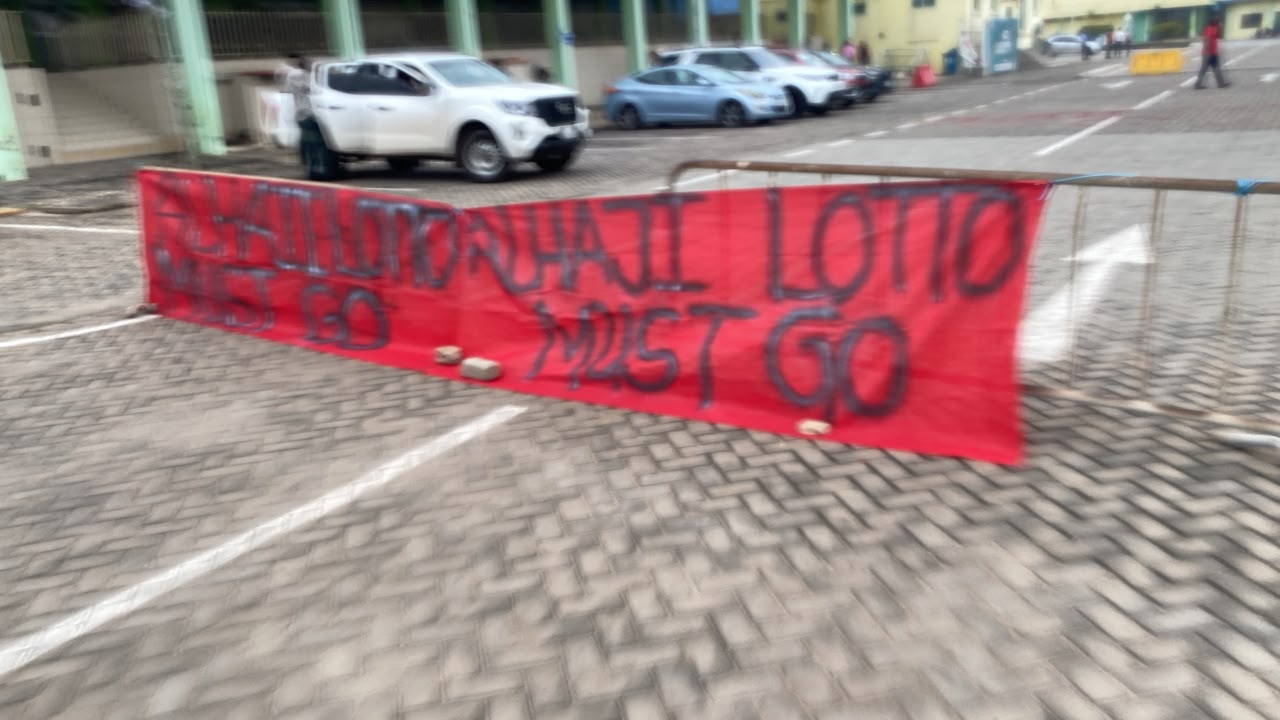
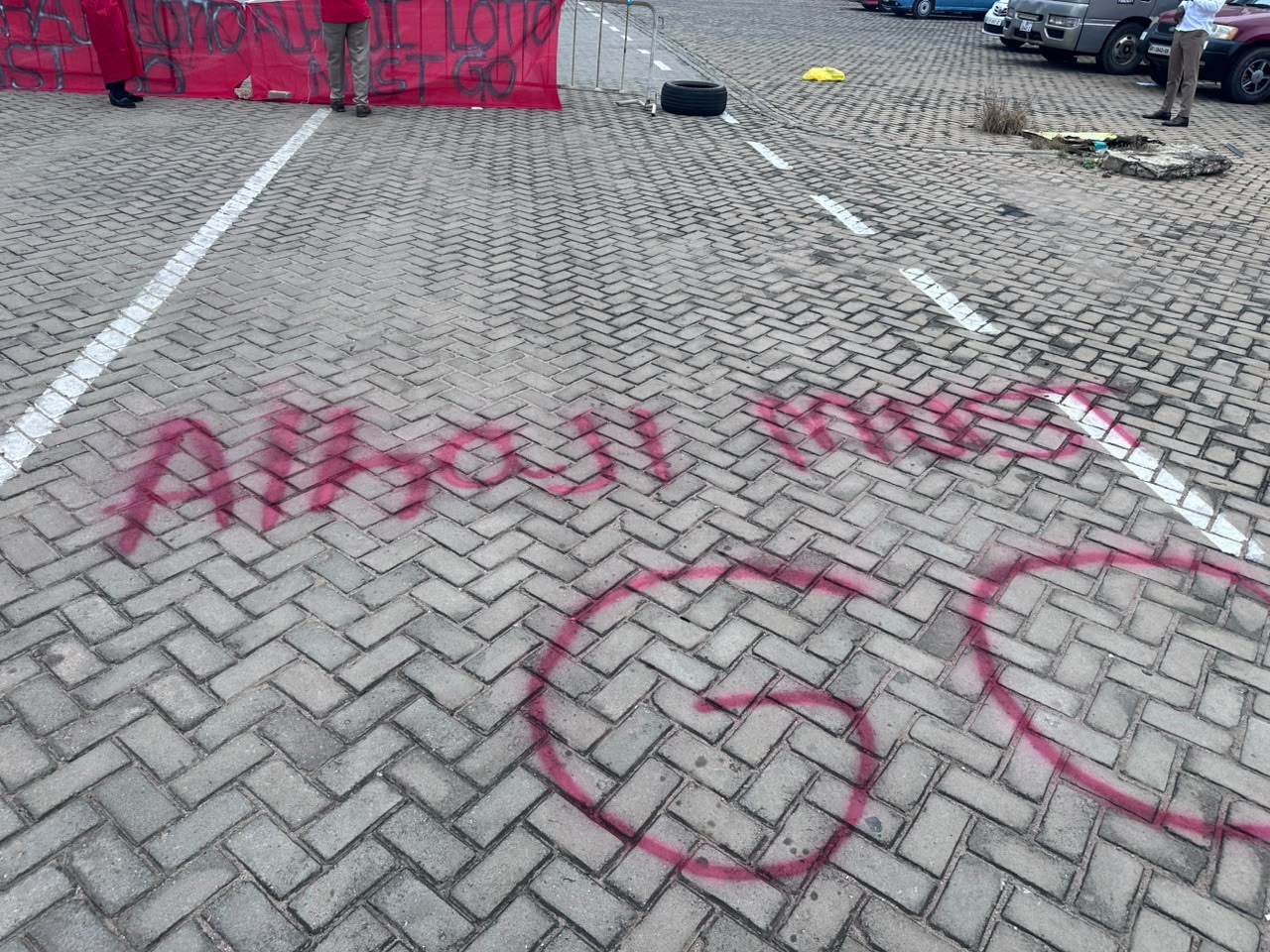
The latest development has intensified pressure on the NLA’s Director-General, Mohammed Abdul-Salam, popularly referred to as “Alhaji Lotto,” as disagreements over the 2026 salary adjustment have moved from negotiations into open industrial action.
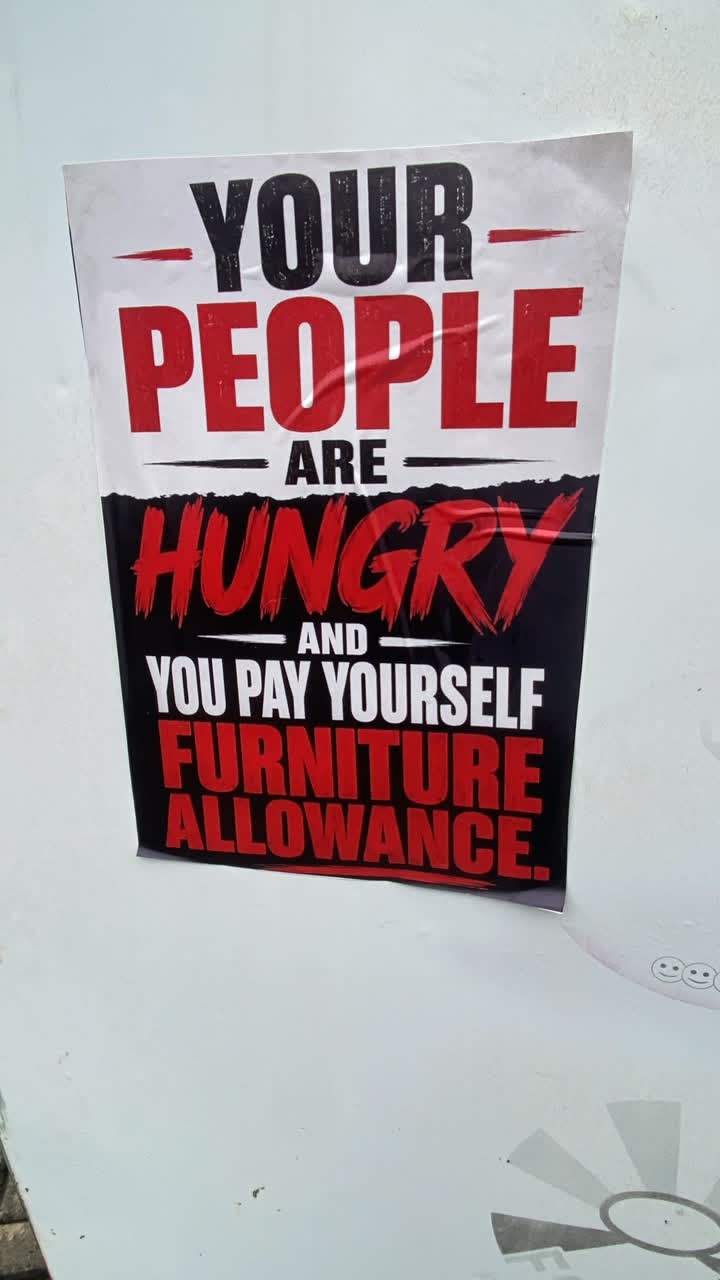
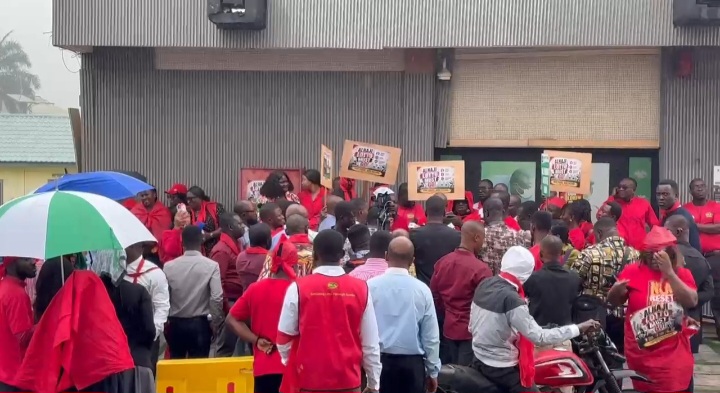
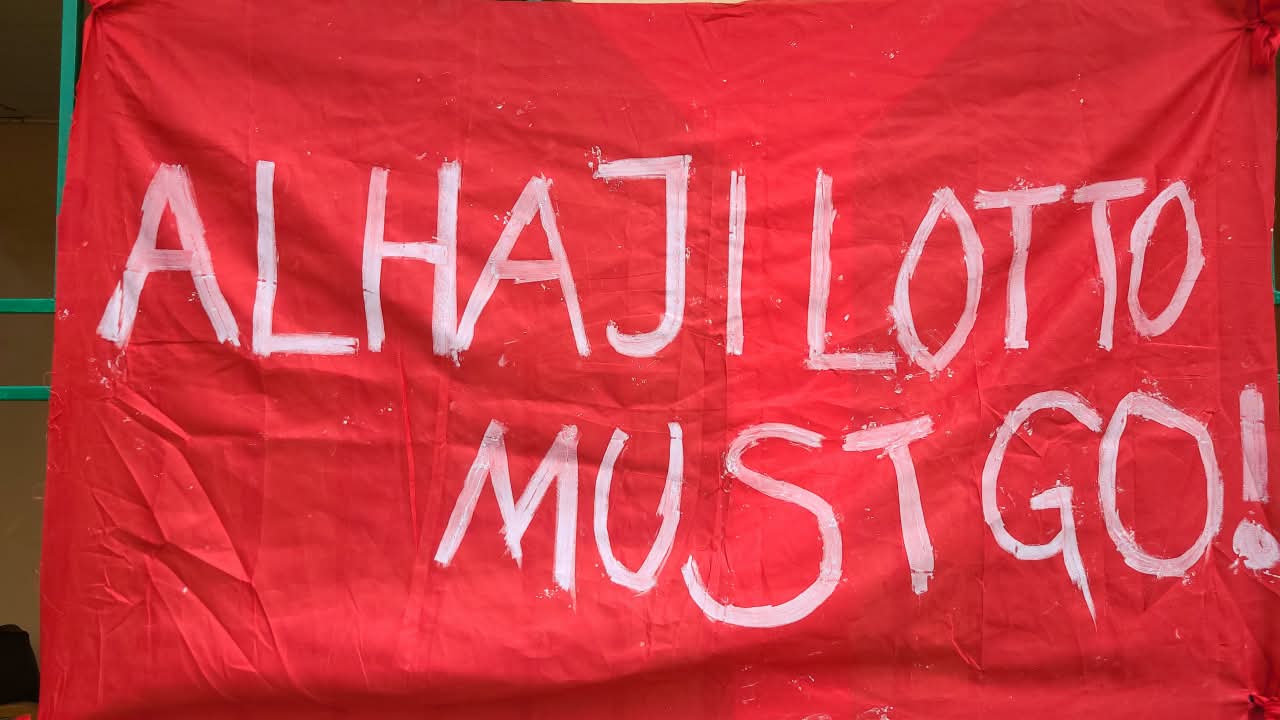
The workers are also demanding for the dismissal of Alhaji Lotto, calling on President John Mahama to reset the NLA management. “Alhaji Lotto must go”, the NLA staff insist for his anti-staff welfare stance.
However, the management is pushing back asking for truce for peace to return.
In a statement issued on Monday, August 24, 2026, the NLA management acknowledged the strike and appealed to the local union and staff to call it off, insisting that management remains committed to resolving the disagreement through negotiations and the statutory labour dispute-resolution process.
Workers Wanted 17 Percent
The immediate trigger for the dispute is the 2026 salary review.
According to management, the local union requested a 17 percent salary increase for all NLA employees.
Management, however, settled on a 12 percent increase, arguing that the Authority’s financial position and other obligations limited its ability to meet the union’s original demand.
The union rejected the offer, declared negotiations deadlocked and subsequently referred the matter to the National Labour Commission (NLC).
The disagreement has now culminated in the sit-down strike and demonstrations announced by the workers.
Tax Arrears Become Major Flashpoint
Management’s explanation for the salary offer is closely linked to a tax dispute involving the Ghana Revenue Authority (GRA).
The NLA says it received notices from the GRA concerning unpaid taxes arising from the incorrect application of income tax to staff salaries over a six-year period between 2016 and 2022.
According to management, discussions were subsequently held with the GRA, after which the NLA Board and management reached an arrangement to settle tax arrears amounting to more than GH¢5 million.
The Authority says the liability is being absorbed by the NLA and will therefore not be directly charged to employees.
However, management also agreed with the GRA to correct the tax anomaly and apply the appropriate tax calculations to employees’ salaries going forward.
That adjustment has affected workers’ net salaries and become one of the central issues behind the union’s demand for a substantially higher salary increase.
Why Workers Are Demanding More
Workers argue that the correction of the tax calculation has reduced their take-home pay and therefore requires a corresponding adjustment in salaries.
The union consequently pushed for a 17 percent increase, which it considers necessary to cushion employees against the impact of the tax changes and broader economic pressures.
Management, however, says the financial implications of absorbing the more than GH¢5 million tax arrears, together with other budgetary pressures, prevented the Board from approving the union’s demand.
According to the NLA statement, the Board initially indicated that it could approve only a 10 percent salary increase.
Management subsequently negotiated for an additional two percentage points, bringing its final offer to 12 percent.
That position failed to satisfy the union.
FWSC Had Recommended 8 Percent
The salary dispute also has a history involving the Fair Wages and Salaries Commission (FWSC).
Management says it wrote to the FWSC on February 11, 2026, seeking guidance on the appropriate salary adjustment.
The Commission responded on June 11, advising the NLA to implement an eight percent salary increase, based on its assessment of the Authority’s financial strength.
Management’s eventual 12 percent proposal therefore represents an additional four percentage points above the figure contained in the FWSC guidance cited by the Authority.
The union, however, maintained its higher demand, arguing that the circumstances facing employees justified a significantly larger adjustment.
Deadlock Escalates Into Strike
The disagreement reached a critical point when the union rejected management’s offer and formally declared a deadlock.
The matter was subsequently forwarded to the National Labour Commission for redress.
Despite the referral, the dispute has now spilled into industrial action.
According to management, the local union formally notified the Authority on Friday, August 21, of its intention to embark on a sit-down strike and demonstration beginning Monday, August 24.
The action has now taken place, bringing the salary dispute into the full public spotlight.
Management Appeals for Calm
In its latest statement, NLA management appealed directly to the workers to end the strike and resume negotiations.
Management said it is actively engaging the National Labour Commission with the aim of finding an amicable resolution through arbitration.
The Authority maintains that returning to negotiations remains the best avenue for resolving the dispute rather than allowing the disagreement to escalate further.
Pressure Mounts on NLA Leadership
The latest confrontation comes at a particularly difficult period for the NLA and its leadership.
The Authority has recently faced intense public scrutiny over a number of allegations involving management, staff welfare, expenditure and relationships with private lottery operators.
The salary dispute has added another layer to those concerns, with sections of the workforce increasingly questioning management’s approach to employee welfare and financial priorities.
Workers have previously raised concerns about their deteriorating purchasing power, tax deductions and operational conditions, while management has consistently pointed to financial constraints and the need to protect the Authority’s financial position.
The two sides now appear sharply divided over how much the NLA can afford to pay its workforce.
Impact on NLA Operations
The escalation has also raised questions about the potential impact of the strike on lottery operations across the country.
The NLA has sought to reassure its customers, Lotto Marketing Companies, Private Lotto Operators, third-party collaborators and other stakeholders that it remains committed to fulfilling its statutory mandate of generating revenue for national development.
However, prolonged industrial action could create operational difficulties if the dispute remains unresolved.